

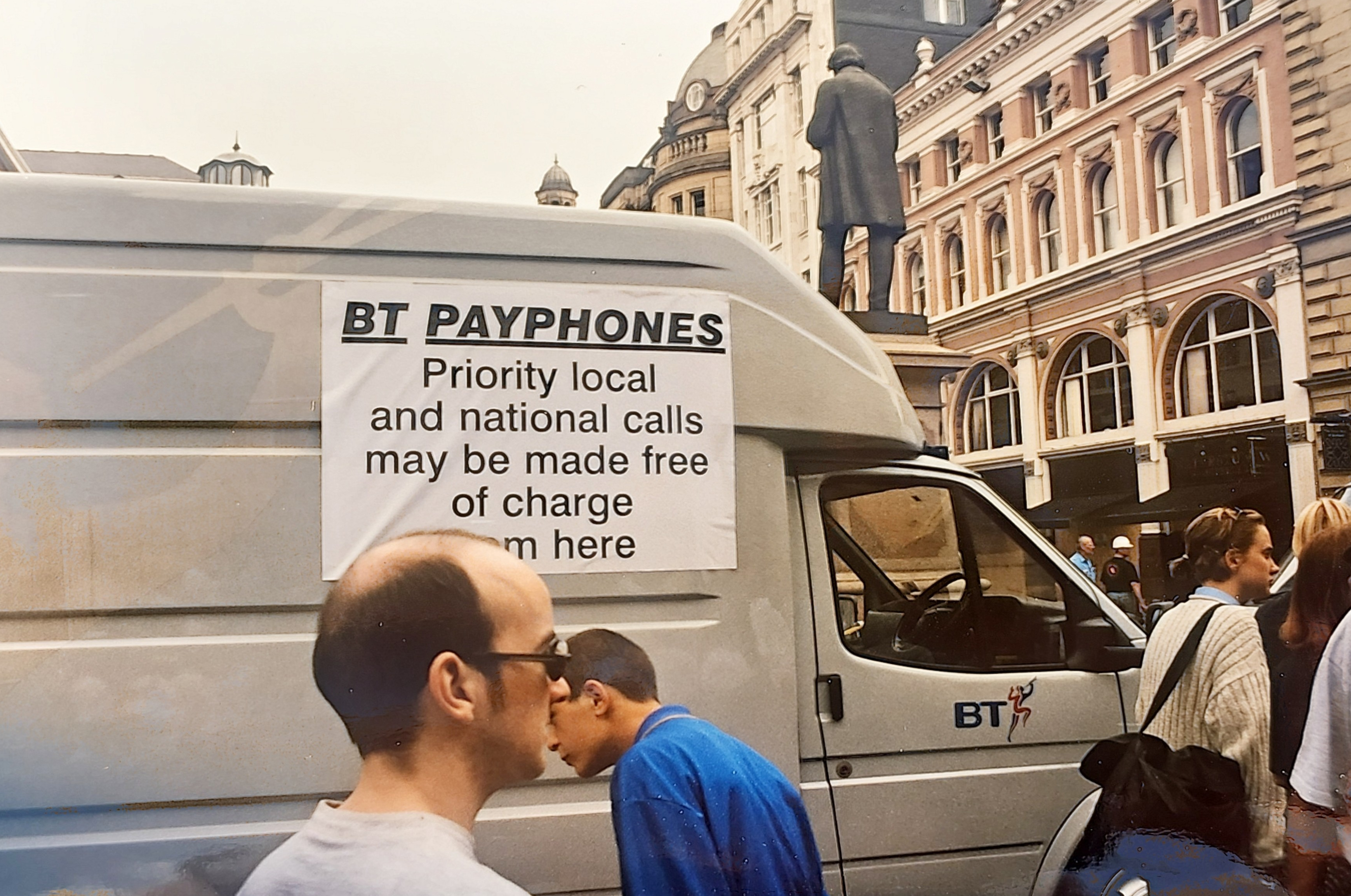
On the morning of Saturday 15 June 1996, I was living on the tenth floor above the UMIST student union building (the Barnes Wallis Building), very close to Manchester Piccadilly railway station, and close enough to Manchester city centre to notice when its normal rhythms were interrupted.
I was deputy warden of a student hall of residence, Wright Robinson Hall near Piccadilly station. The city was part of daily life: traffic, sirens, crowds, students, late trains, and the ordinary background noise of central Manchester.
Bomb threats were part of that background too. By then, many Provisional IRA mainland attacks appeared designed to maximise disruption, fear, and economic damage while using warnings intended, at least in theory, to reduce loss of life. The system did not always work.
The 1992 Manchester bombs at Cateaton Street and Parsonage Gardens injured 65 people and narrowly avoided fatalities; part of the confusion reportedly came from “Cateaton Street” being misheard as “Cathedral Street” in a heavily accented warning. The 1993 Warrington litter-bin bombs killed two children and injured 56 others, shocking many.
It was understood locally at the time that multiple threats were not simply about evacuation. They could also be used to observe and time responses: how quickly areas were cleared, how warnings were handled, where confusion arose, and how the city reacted under pressure.
That Saturday began almost normally. There had been several bomb threats in the previous few weeks, including a rather scary campus-wide one which I recall happening over a weekend, unusual enough to stick in my memory. But this was also Euro 96, and Manchester was full of visitors. The Germany v Russia match was not due until the Sunday, so Saturday morning brought fans into the shops, bars and restaurants, along with the usual flow of people arriving by train, tram, car, and bus.
Some time between 10:00 and 11:00, I became aware of unusual activity. The GMP helicopter, “India 99”, was circling over the city centre. Crowds were moving away from the central shopping area. From time to time I could hear fragments of PA-style announcements telling people to leave, probably from the helicopter.
Then, at 11:17, there was a thunderous explosion, and a tall plume of smoke rose from the city centre.
The living heart of Manchester had been ripped open.
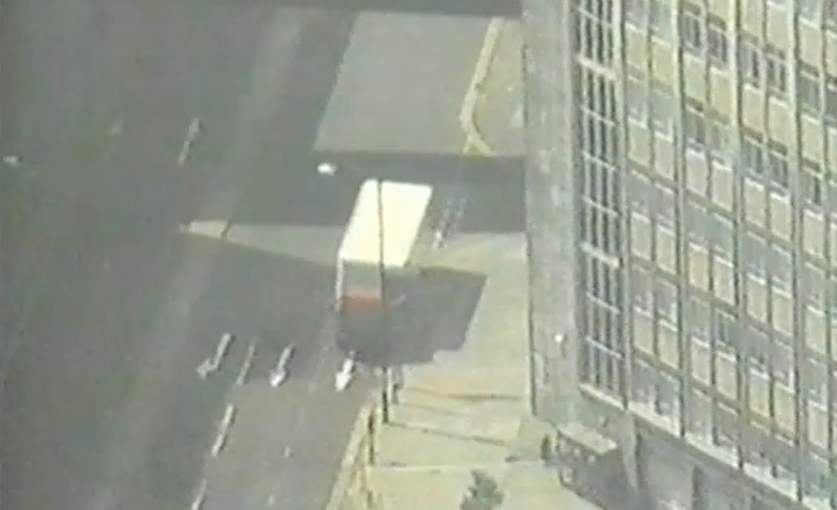
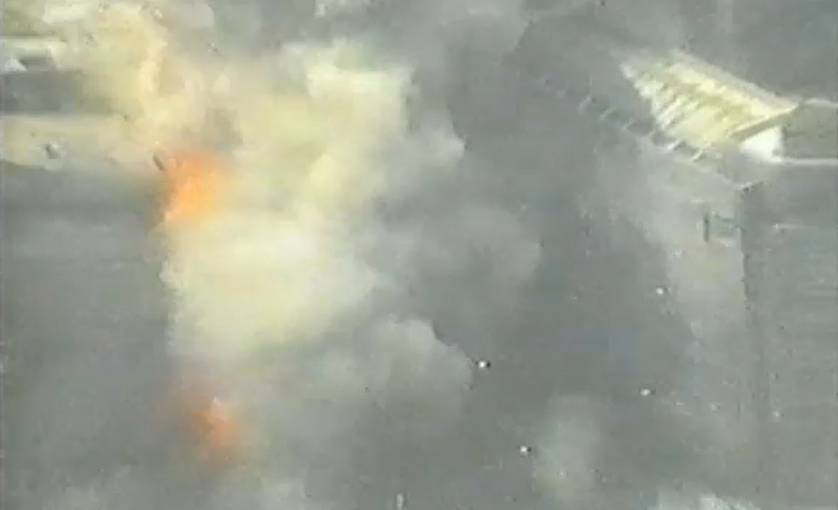
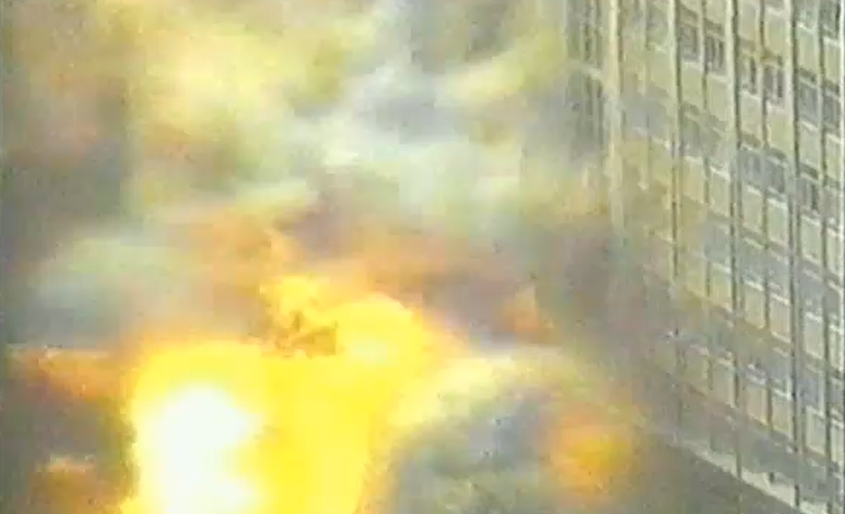
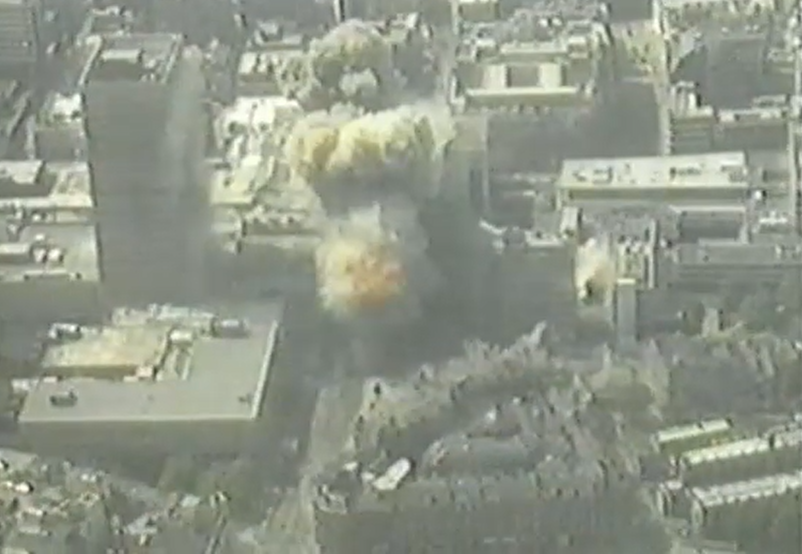
For a while I simply watched. From that height it was possible to see movement but not meaning: smoke, emergency vehicles, people flowing away from the centre, the helicopter remaining above it all. I remember trying to understand exactly where the explosion had been, and wondering whether there might be another. My initial guess was somewhere near John Rylands Library on Deansgate, an impressive Victorian Neo-Gothic building. I was ¼ mile out, but only off by about 20° in direction, which with my legendarily poor navigation skills was remarkably close.
The city had not stopped, but it had changed state.
Odd fragments stick in my mind, as fragments tend to.
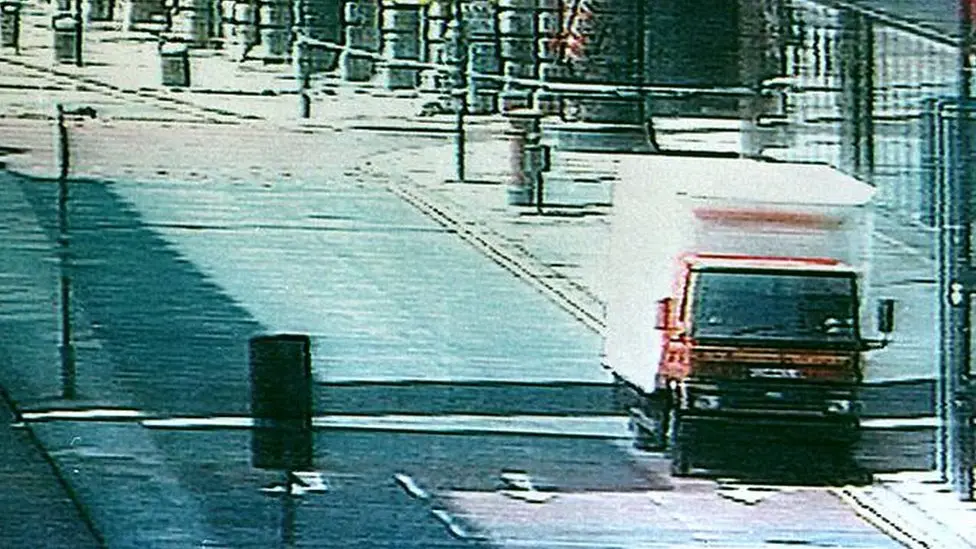
The bomb disposal team worked on the lorry and the device inside it using a remotely operated vehicle for 31 minutes before time ran out. Part of the top of the lorry landed in the Co-operative Bank’s roof garden opposite Victoria railway station, about a quarter of a mile away. The lorry had been parked on double yellow lines and, within three minutes, had been ticketed and reported for removal.
That last detail has always stayed with me: the city’s ordinary rules still trying to function in the presence of something monstrous.
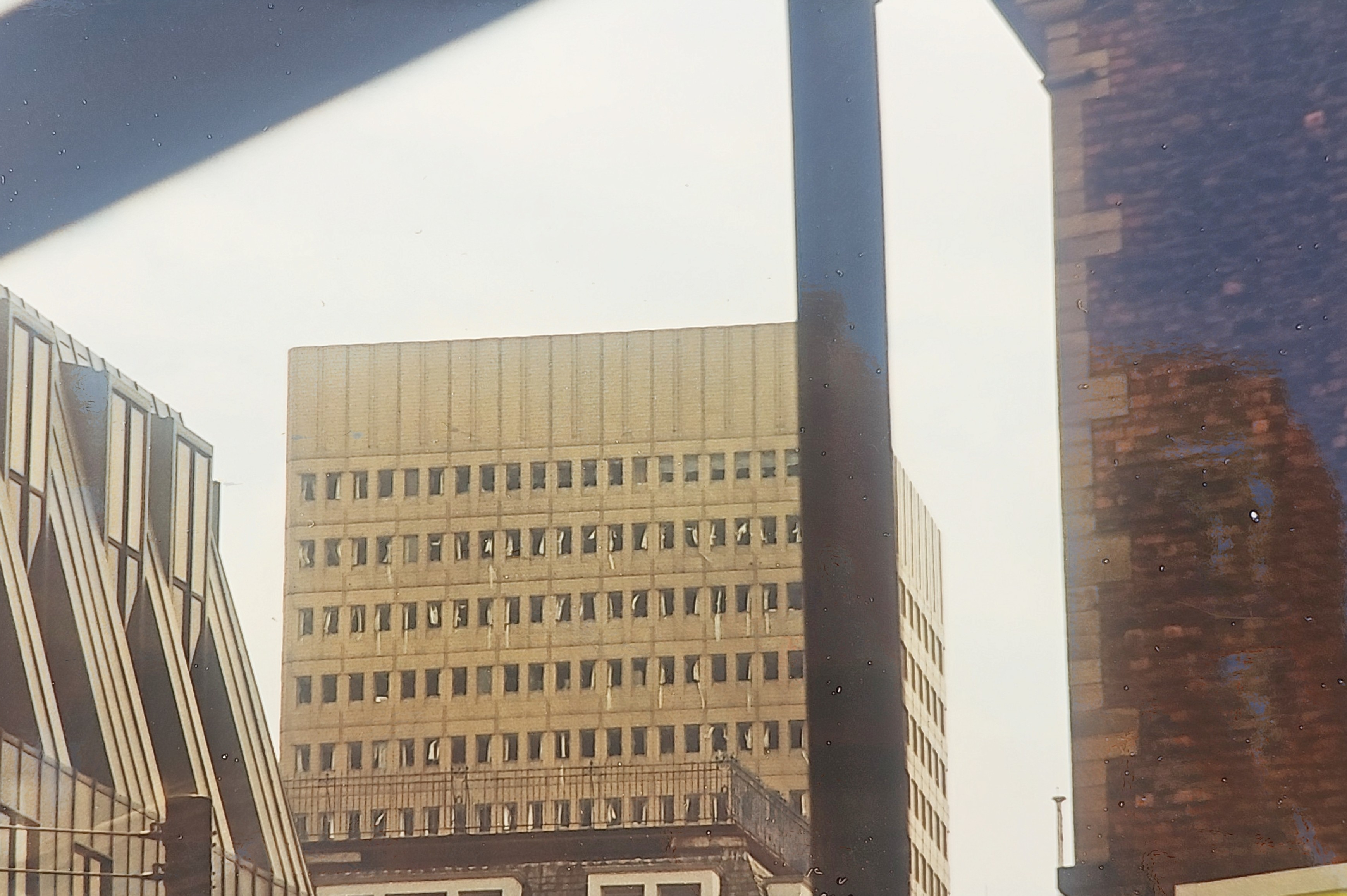
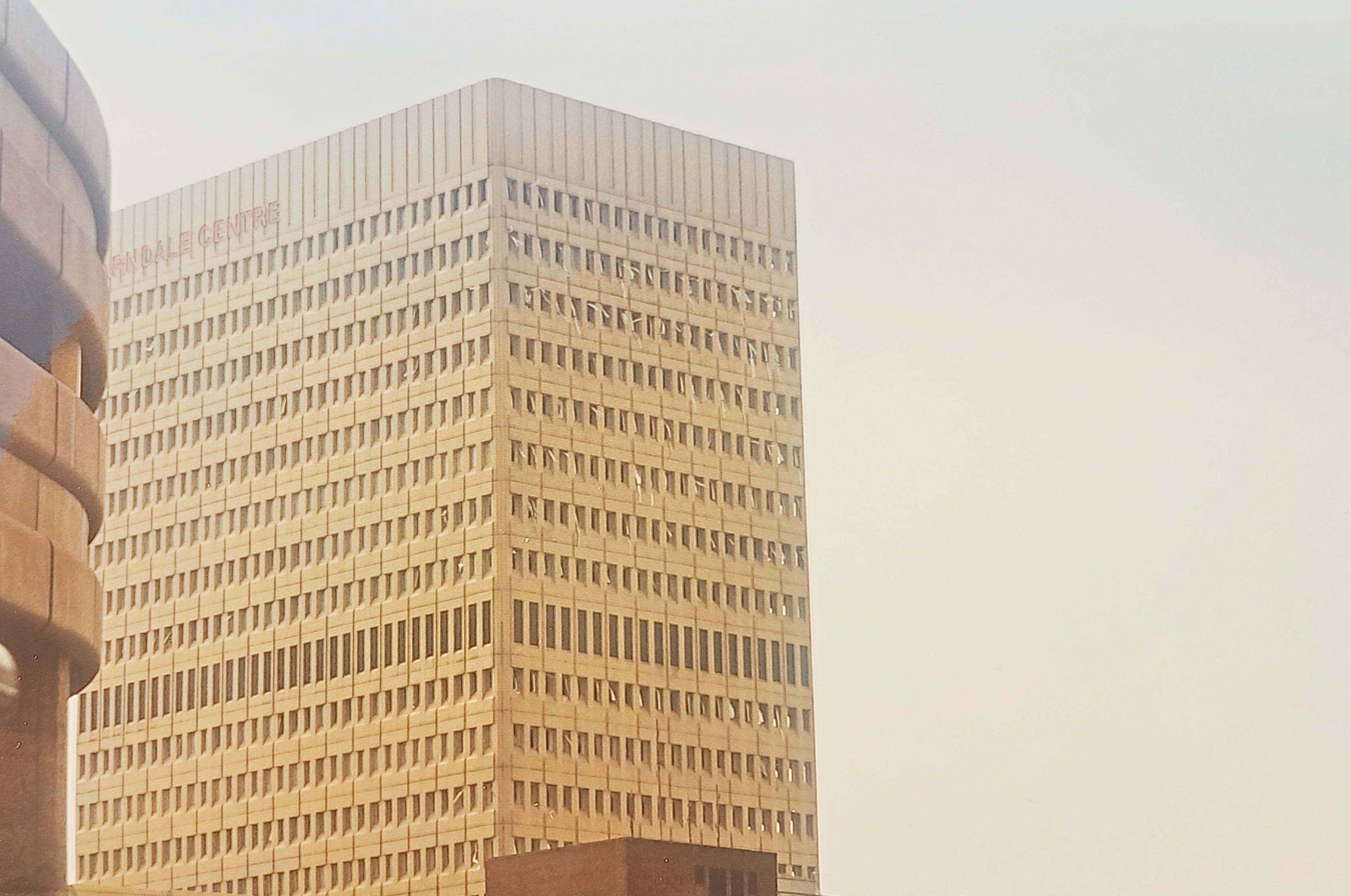
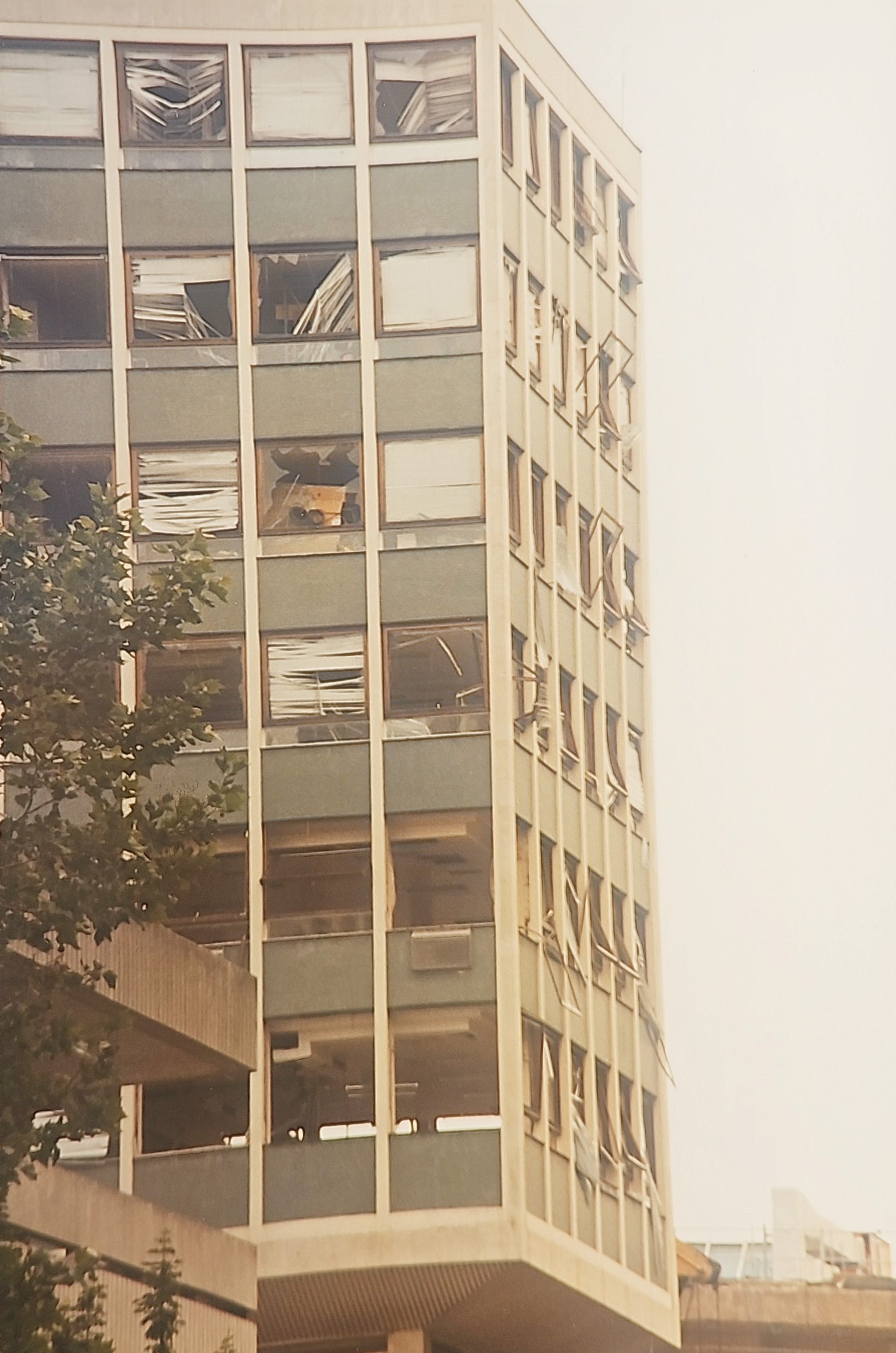
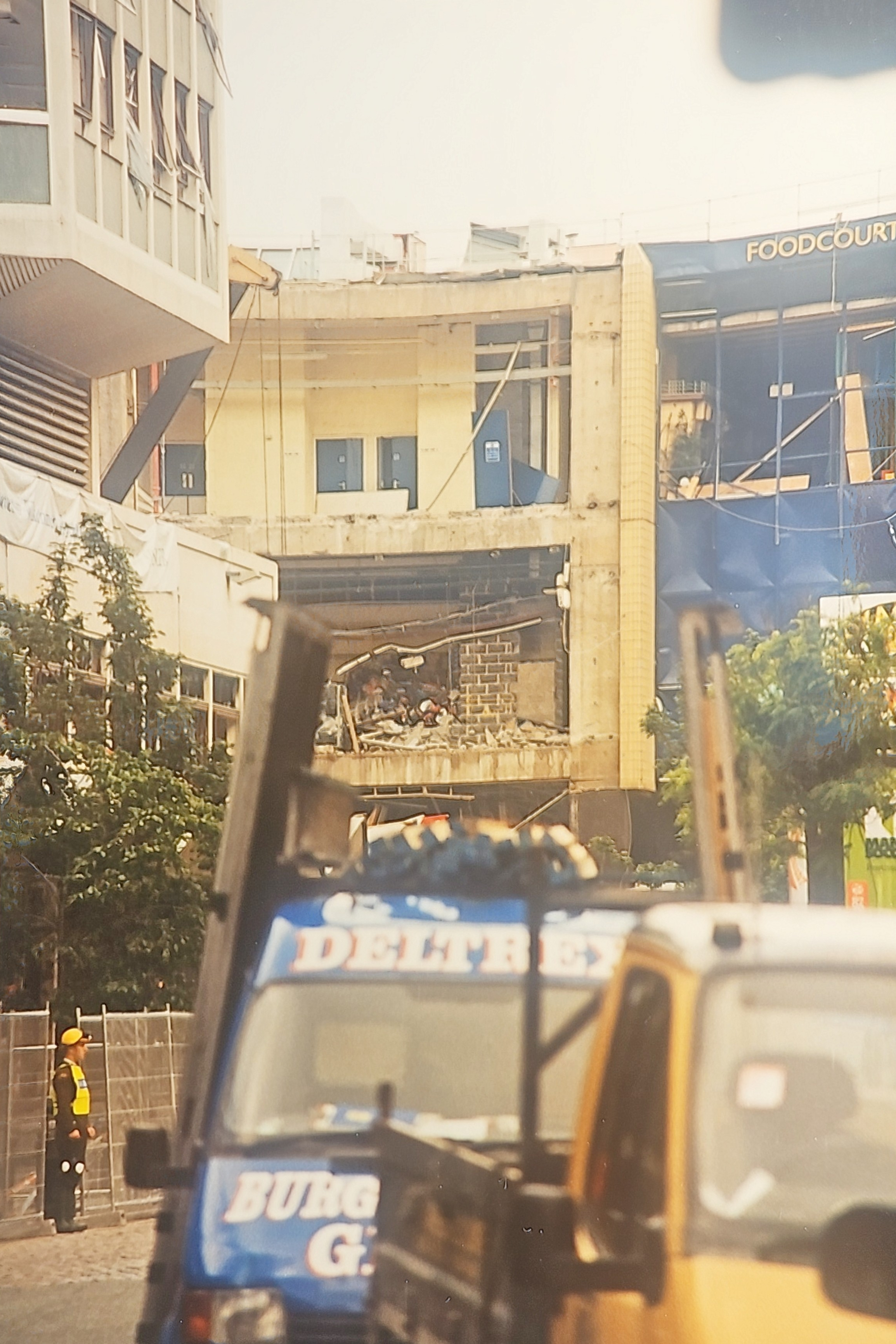
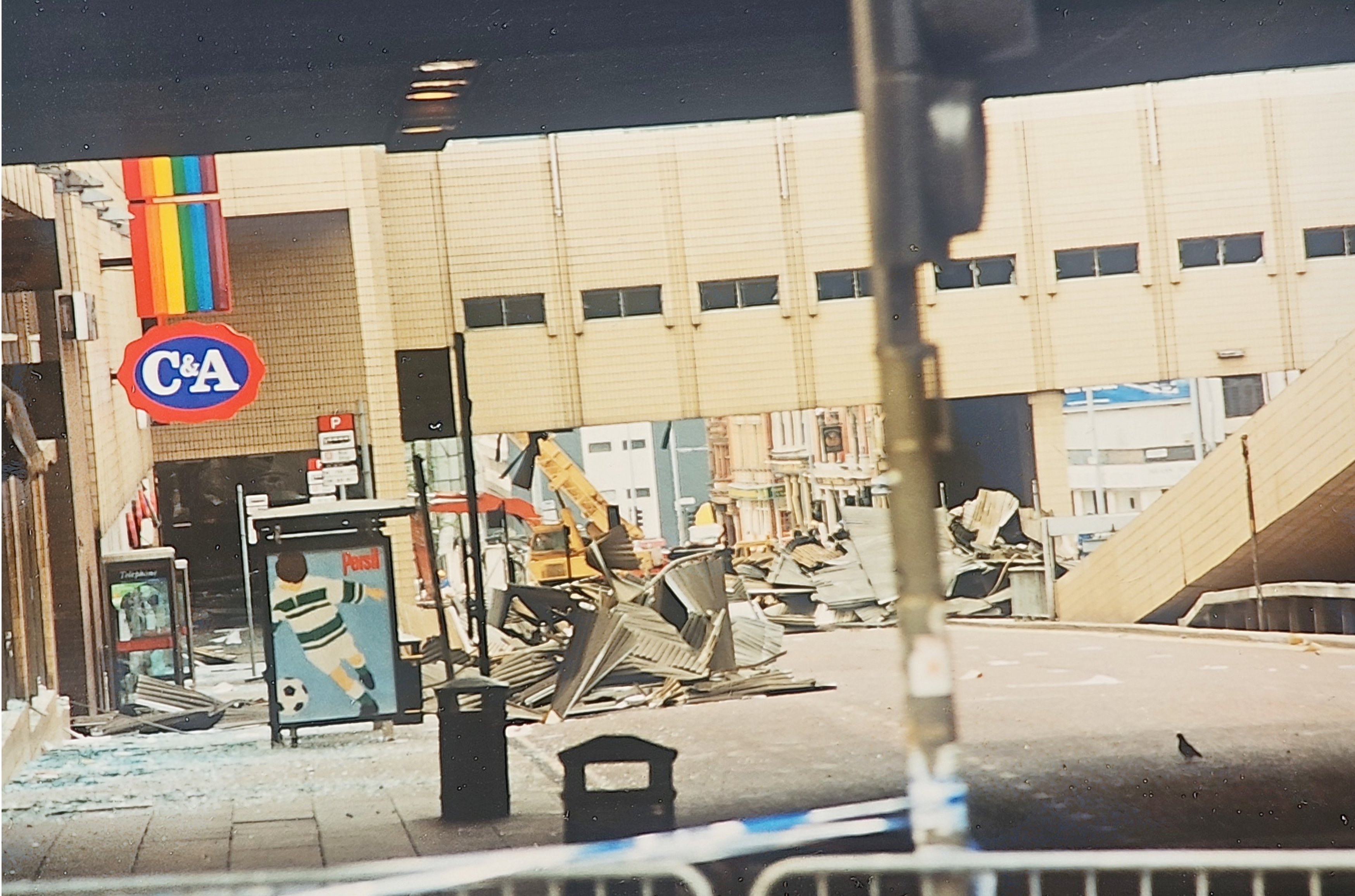
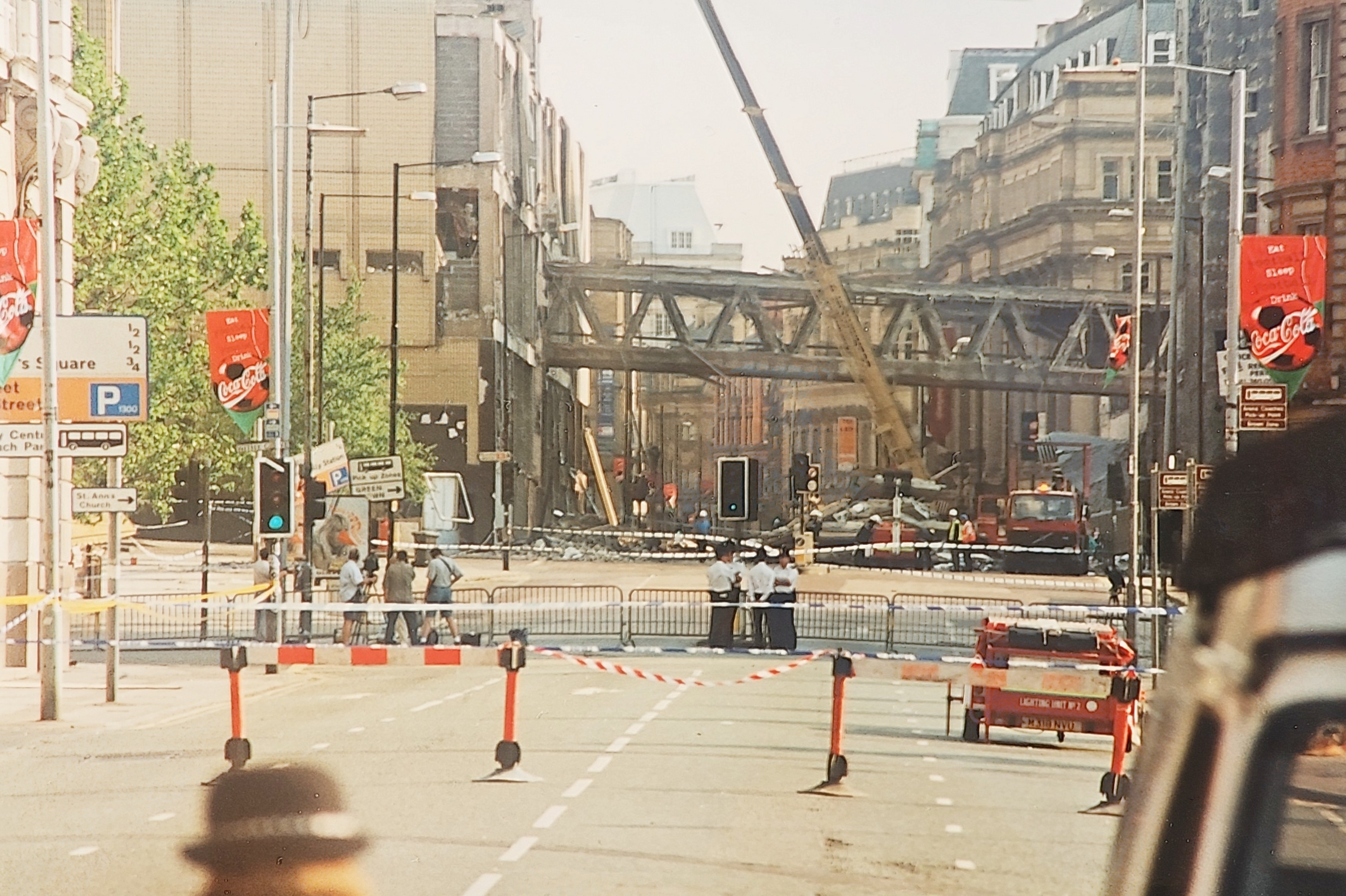
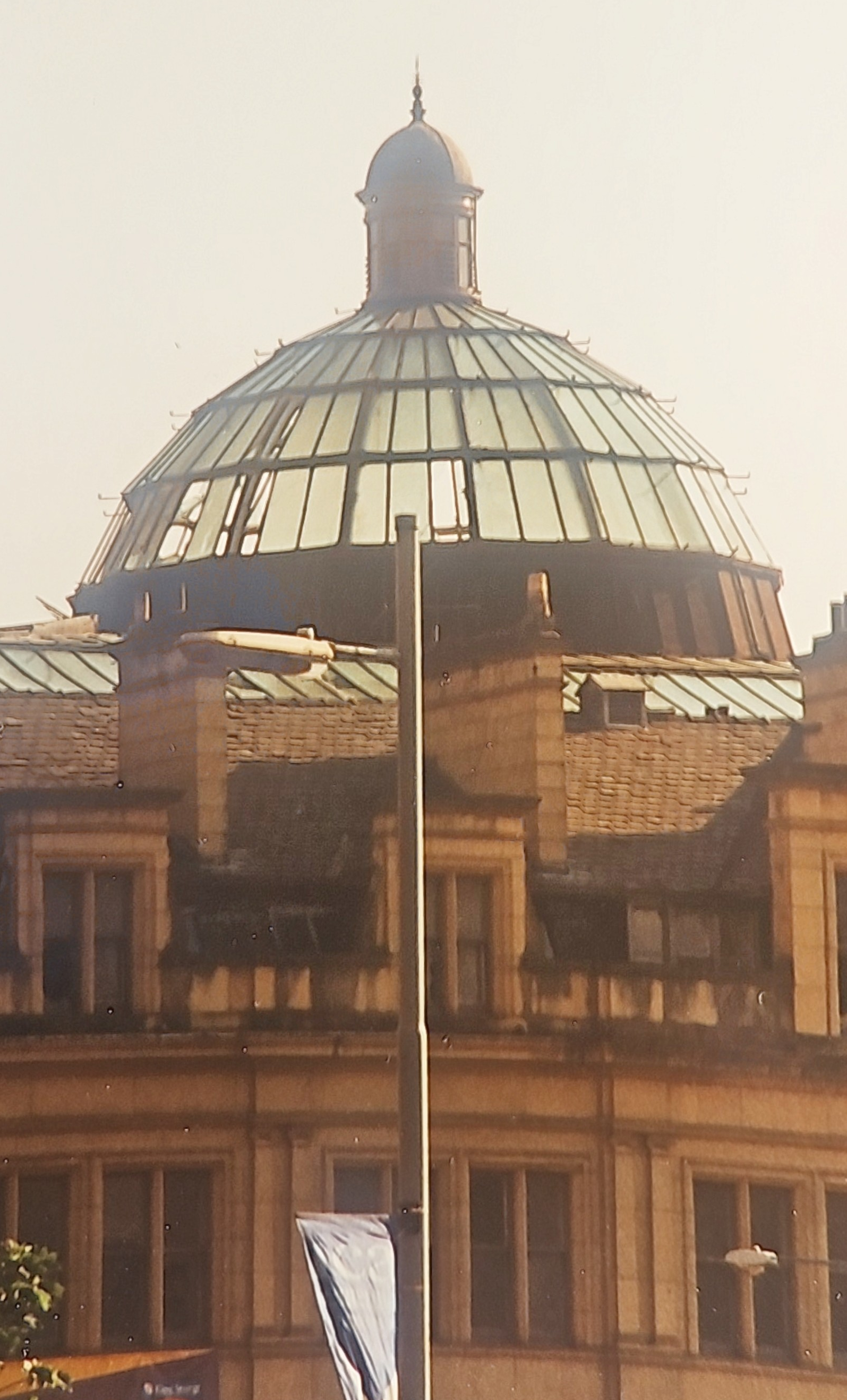
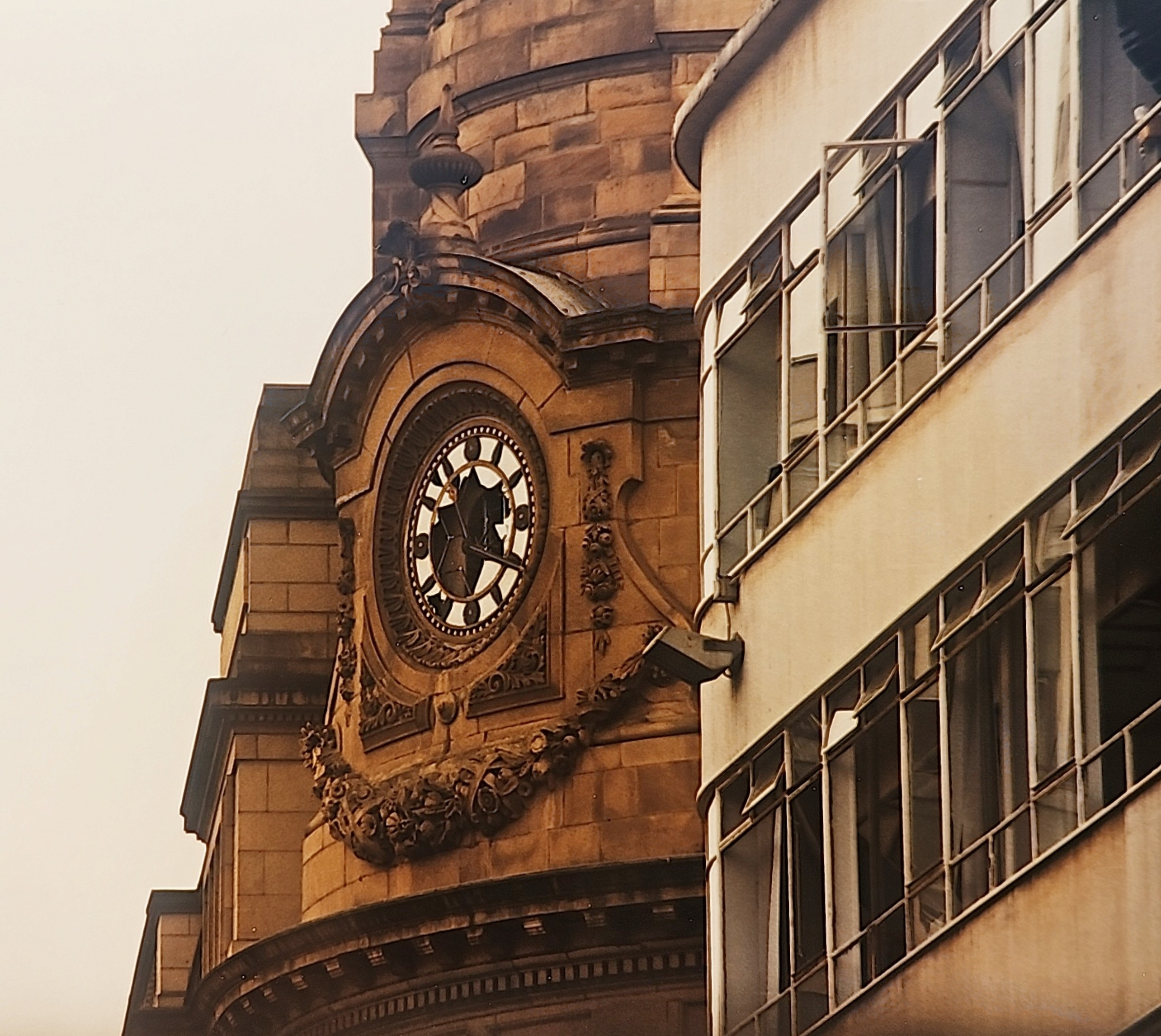
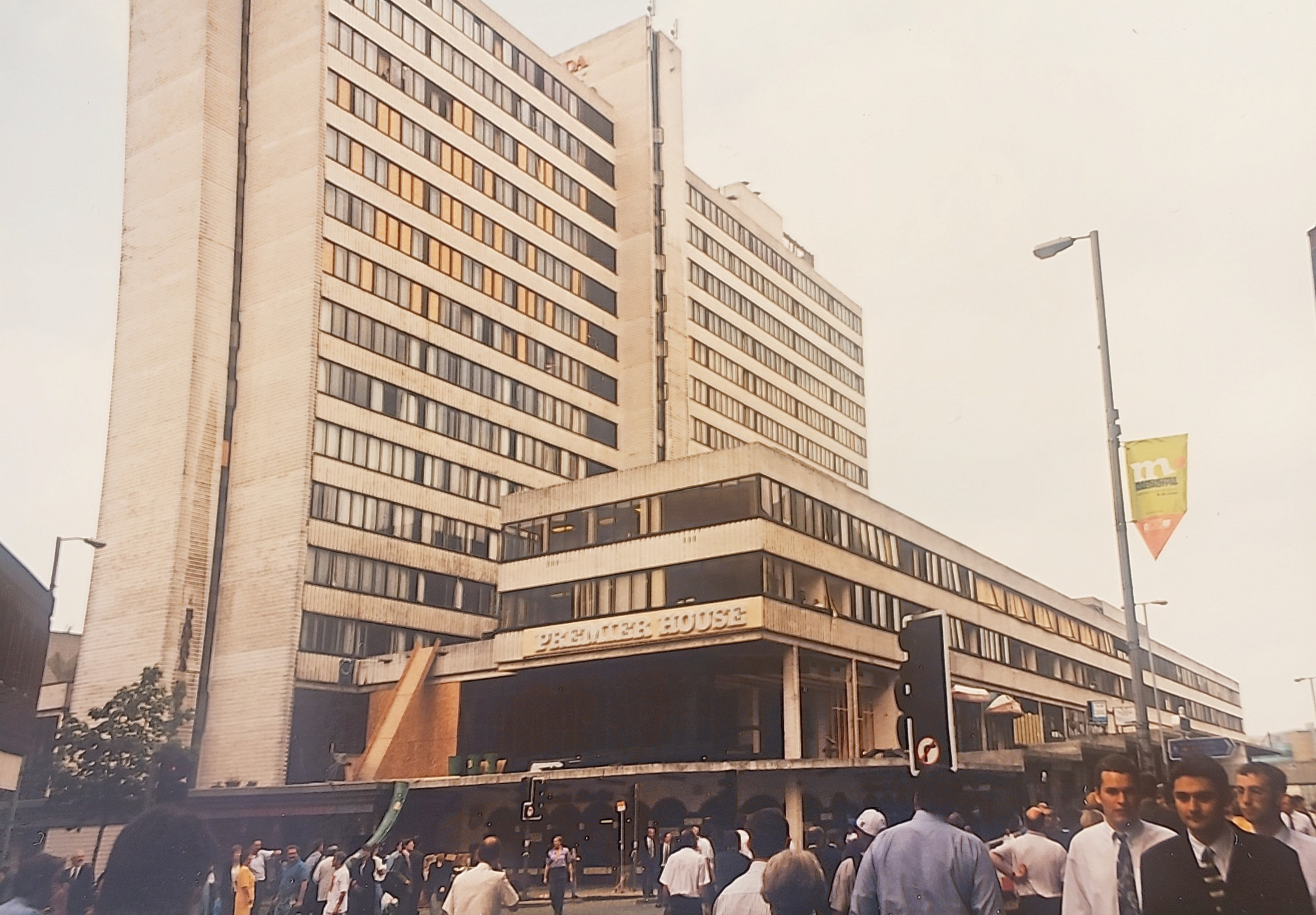
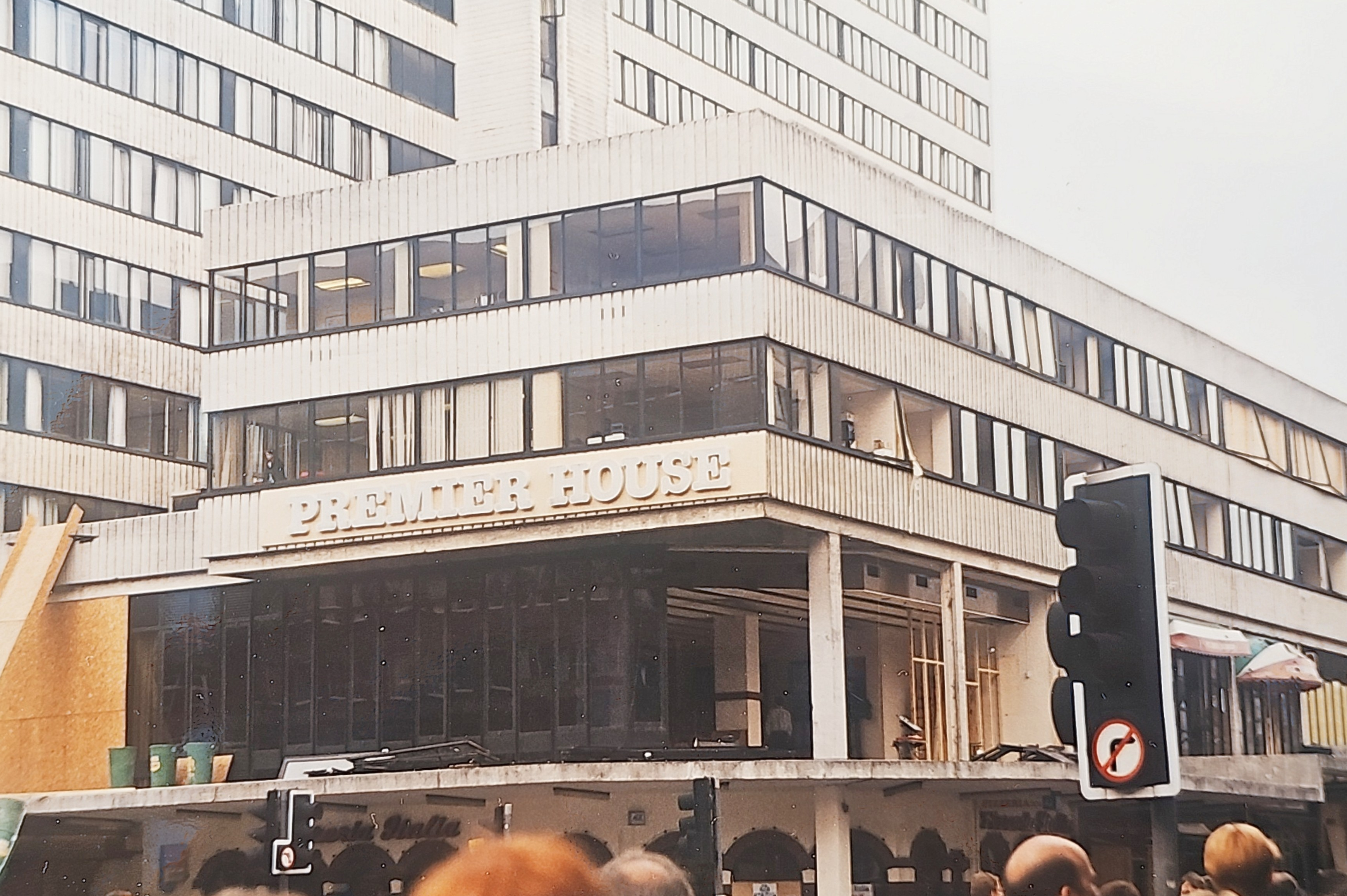
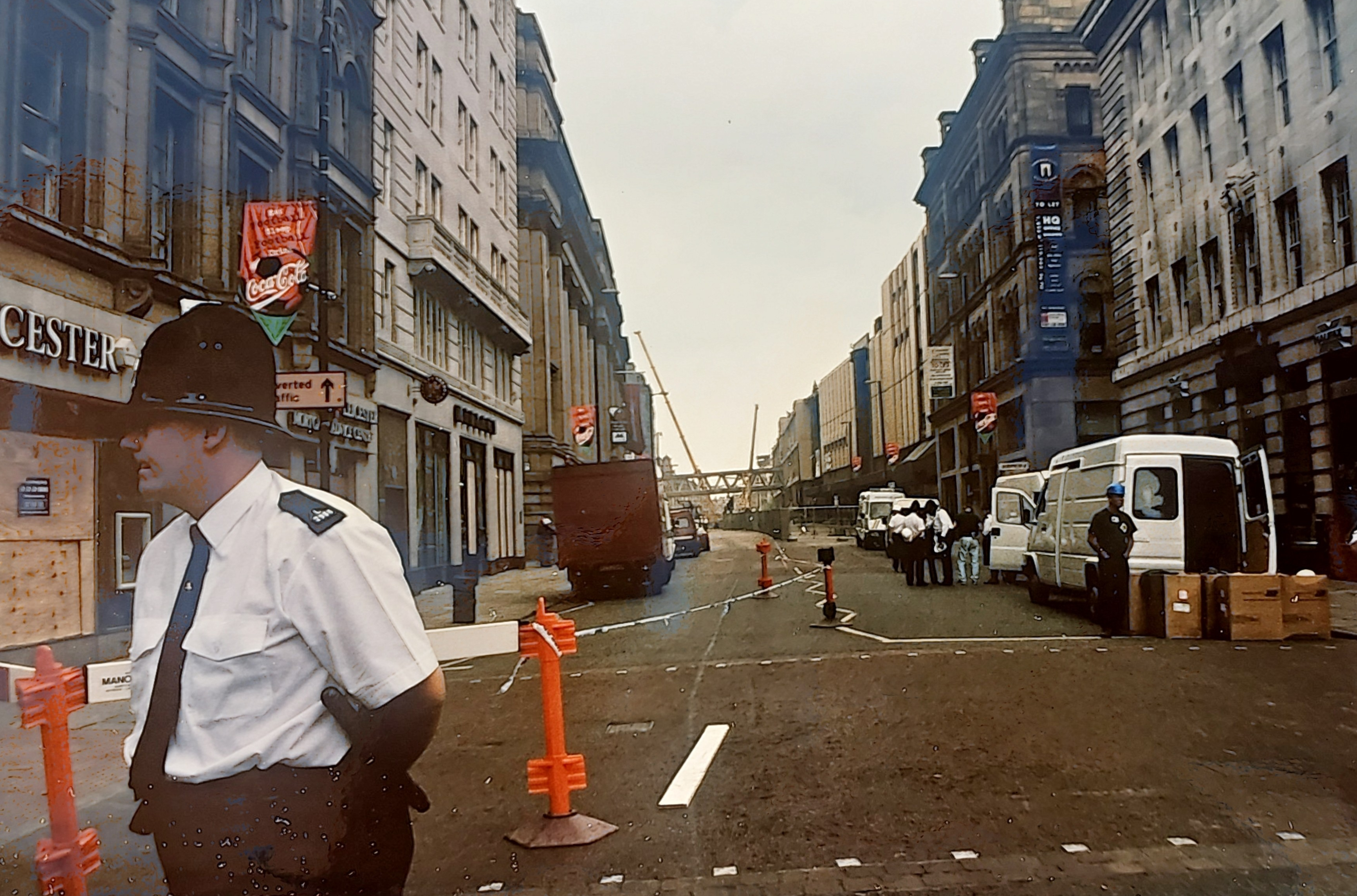
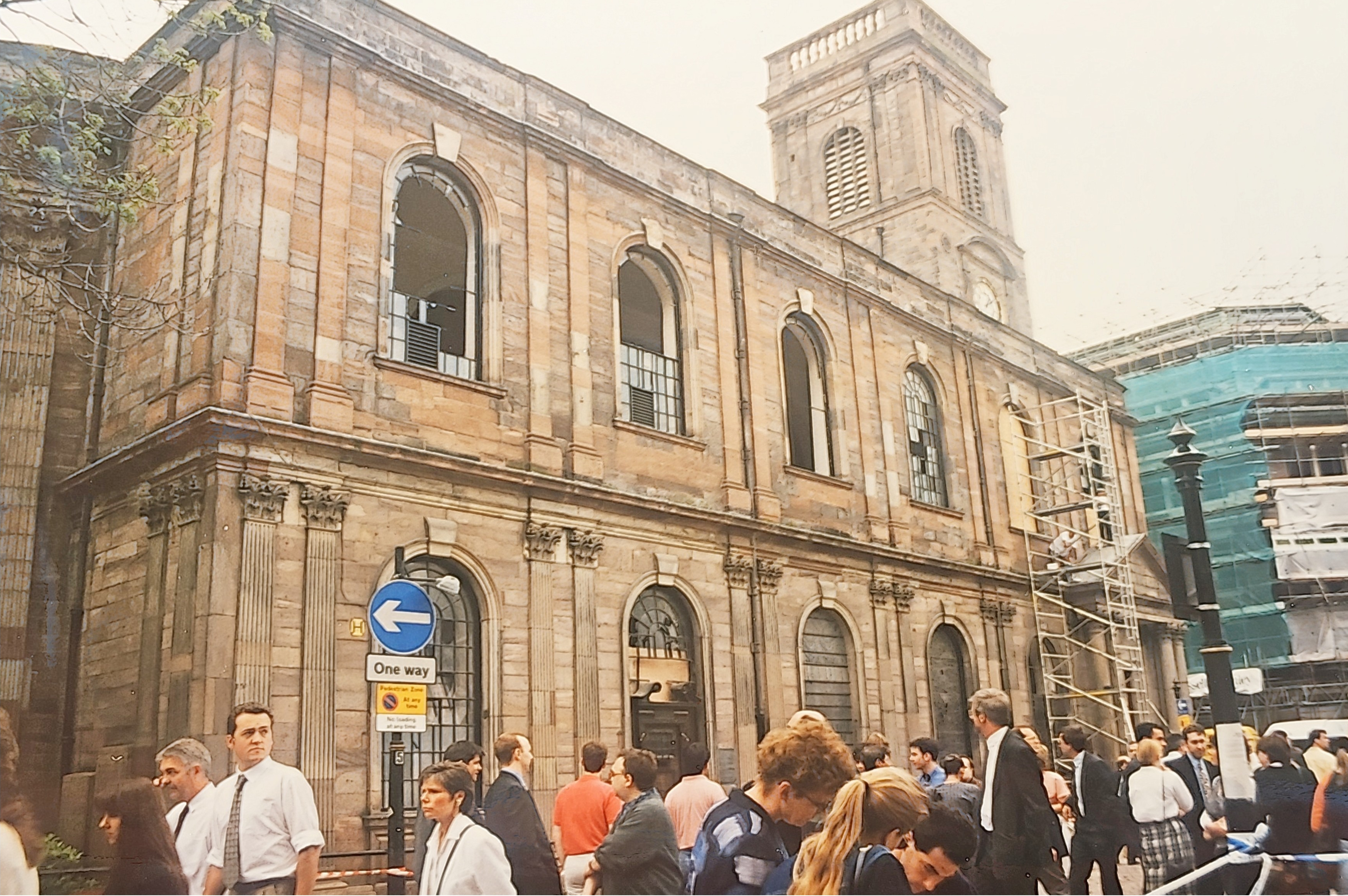
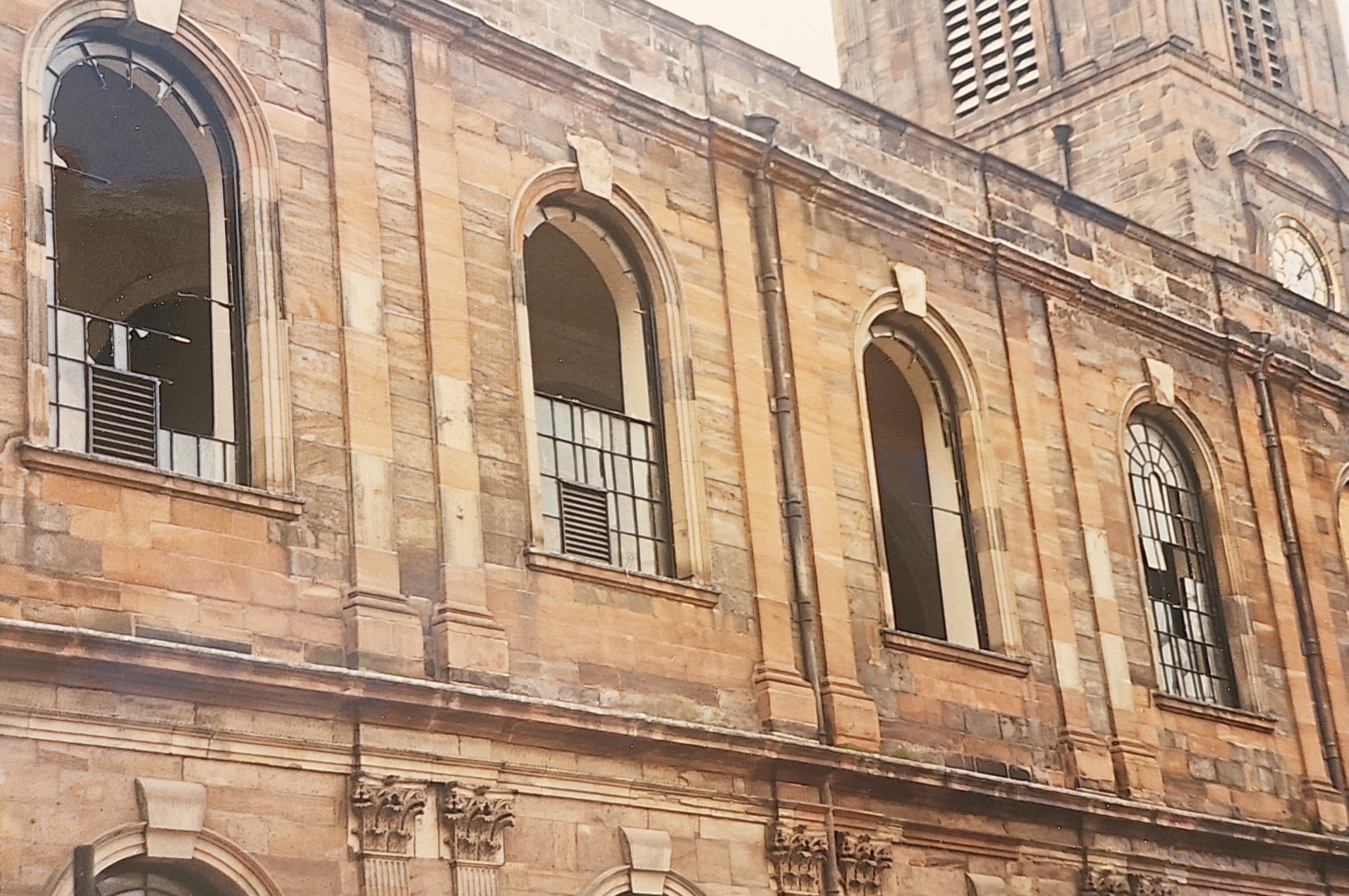
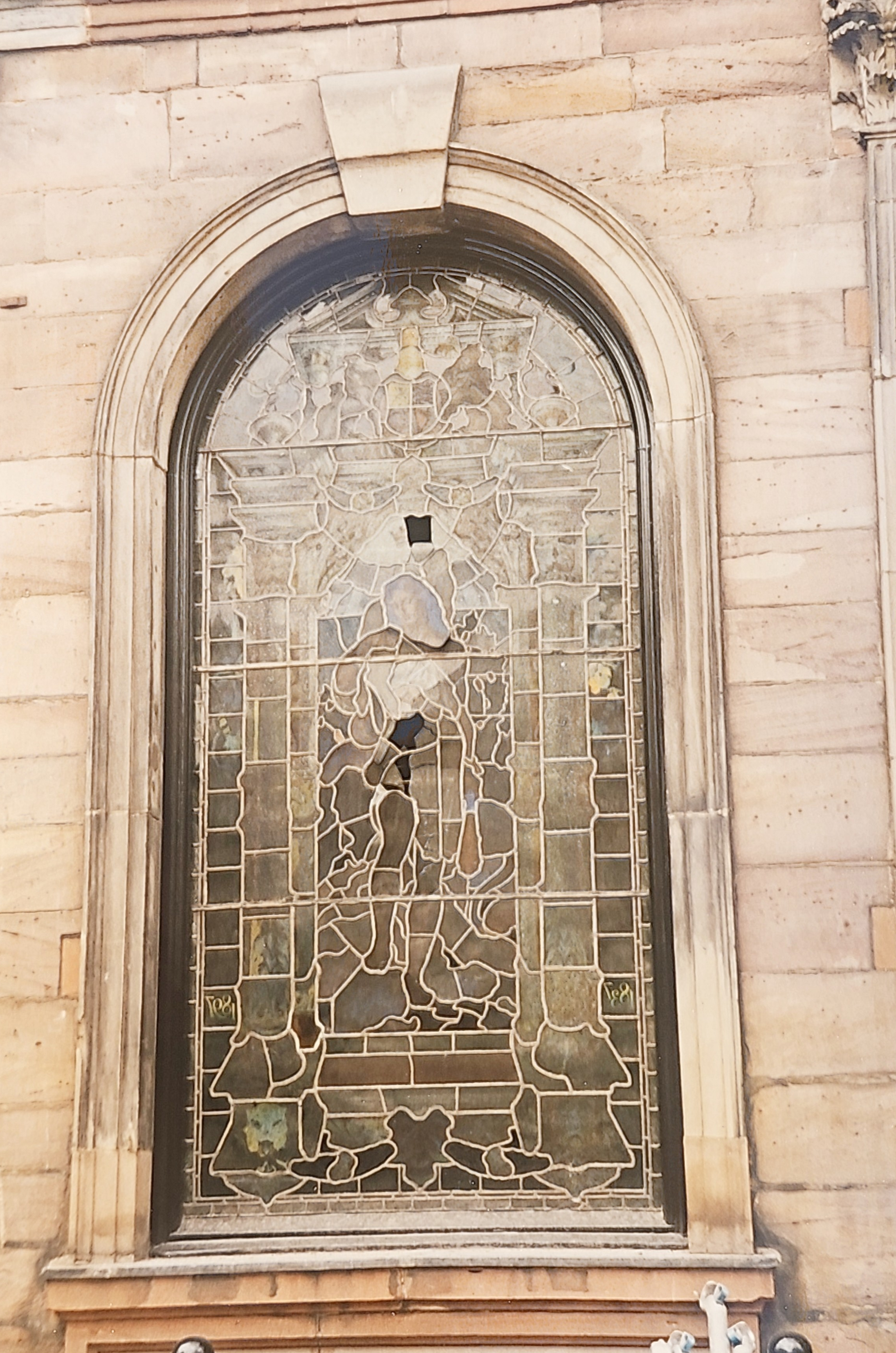
The physical damage had its own strange logic. The shockwave ricocheted from side to side along Corporation Street, leaving alternating patches of broken and undamaged windows. Further away, the stained glass of St Ann’s Church was damaged at the far end of St Ann’s Square. The blast was not just a bang; it was a force that travelled, reflected, selected, and marked the city in patterns.
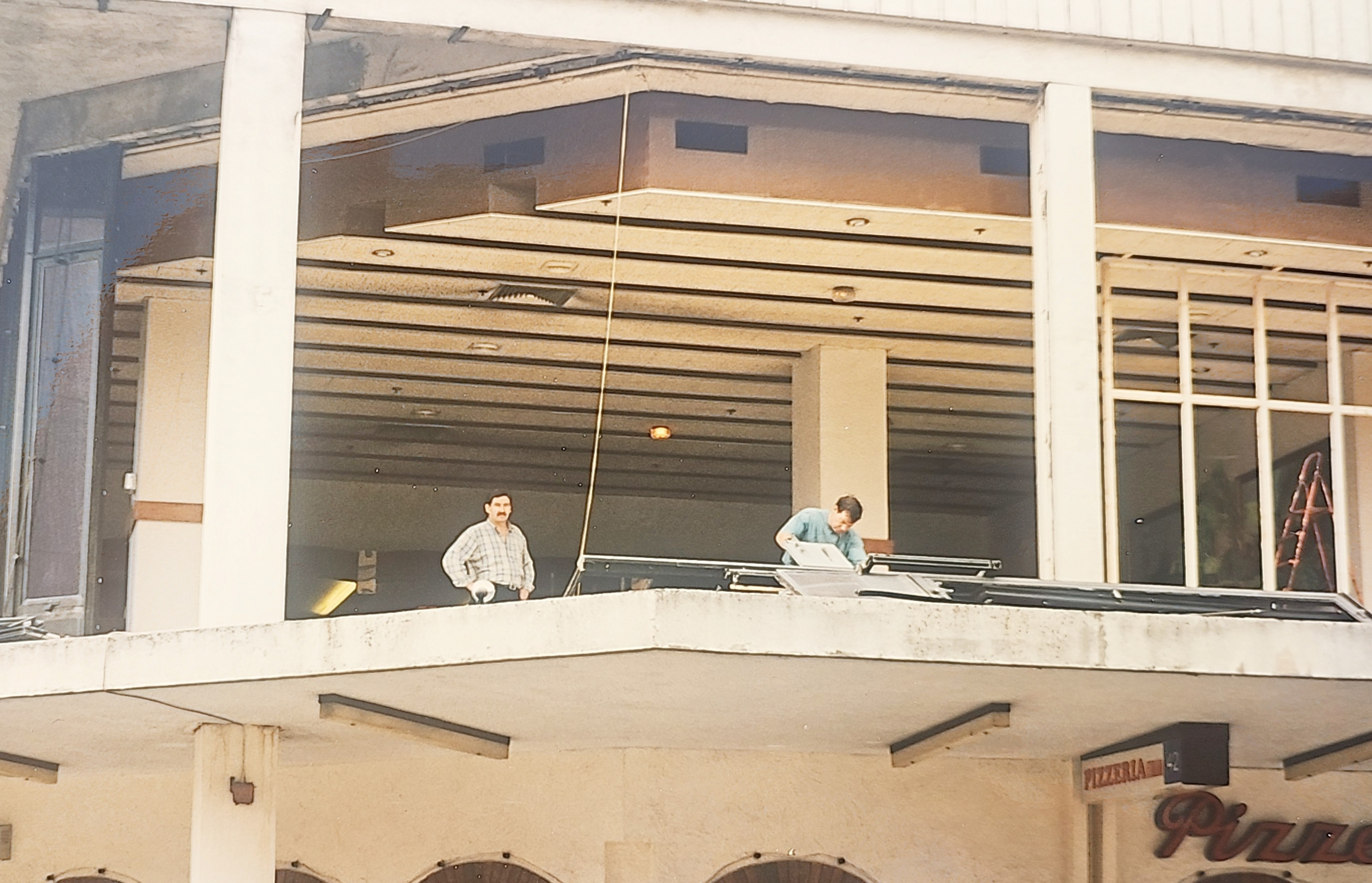
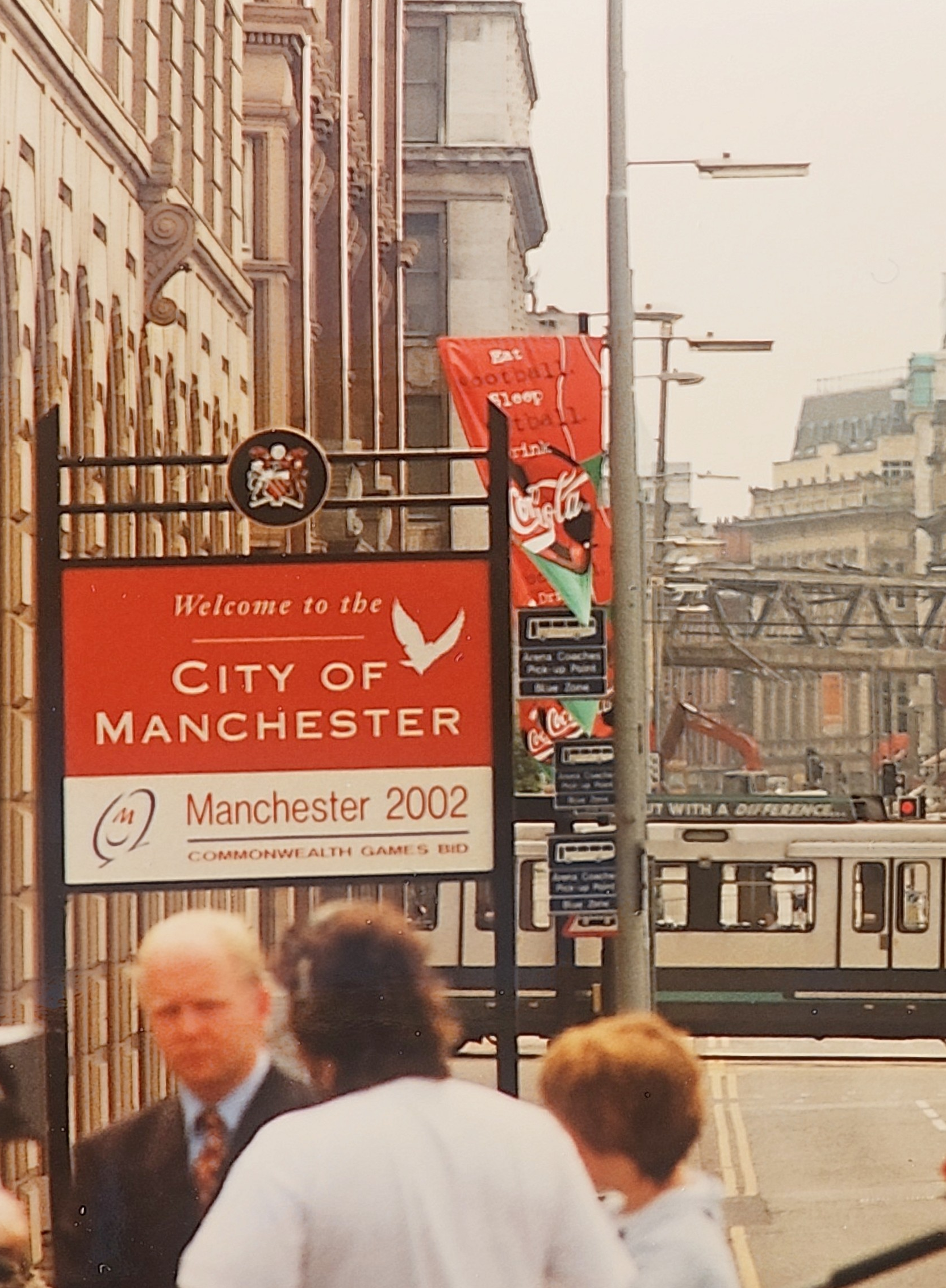
In the days after the bombing, the immediate area remained sealed off. The trams did restart quickly, running through the area without stopping. From one of these I was able to take some eerie photographs. Once most of the streets were open again, I took more photographs of things that caught my eye.
[Images are links to full uncropped images, some are landscape format]
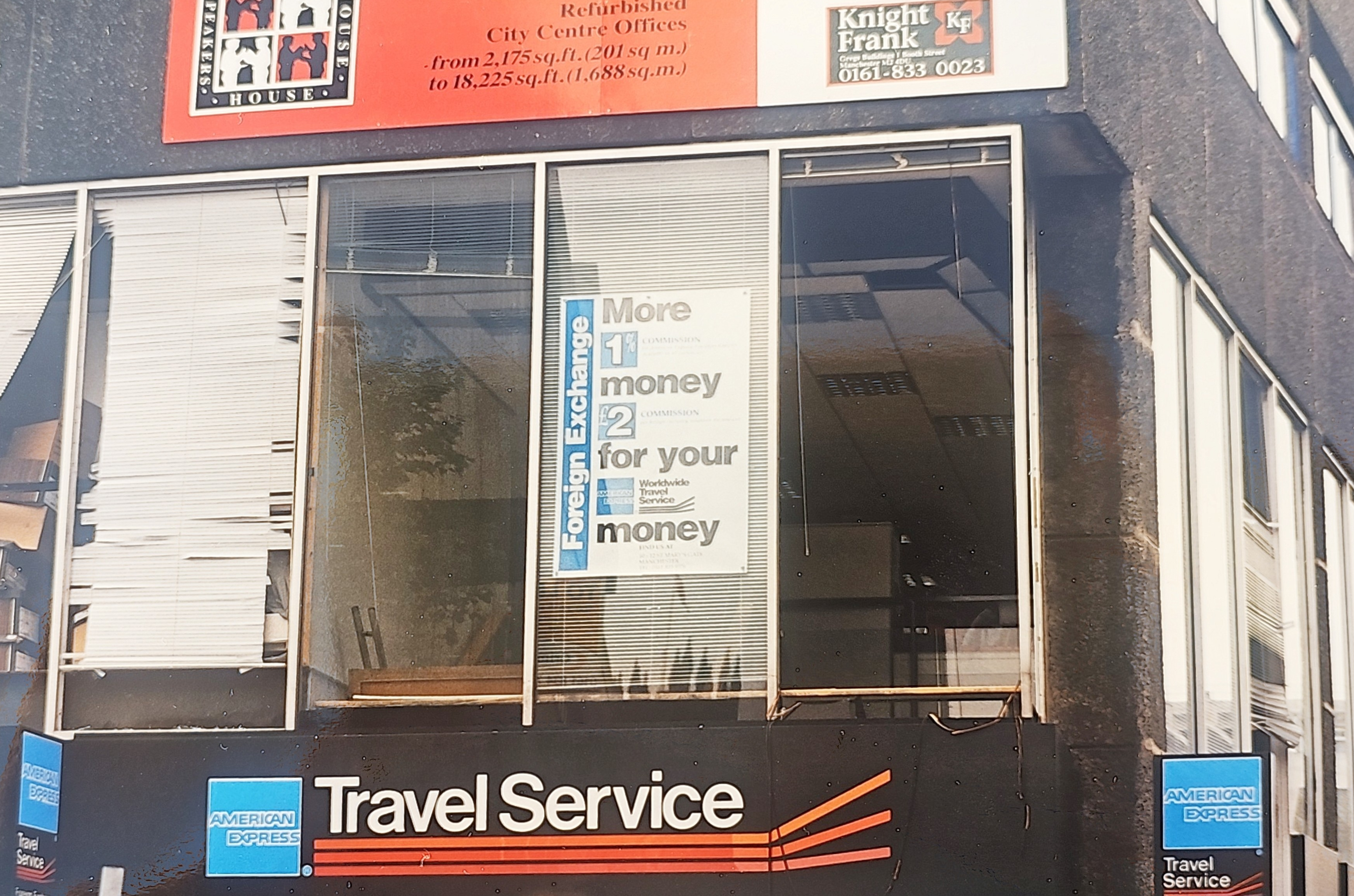
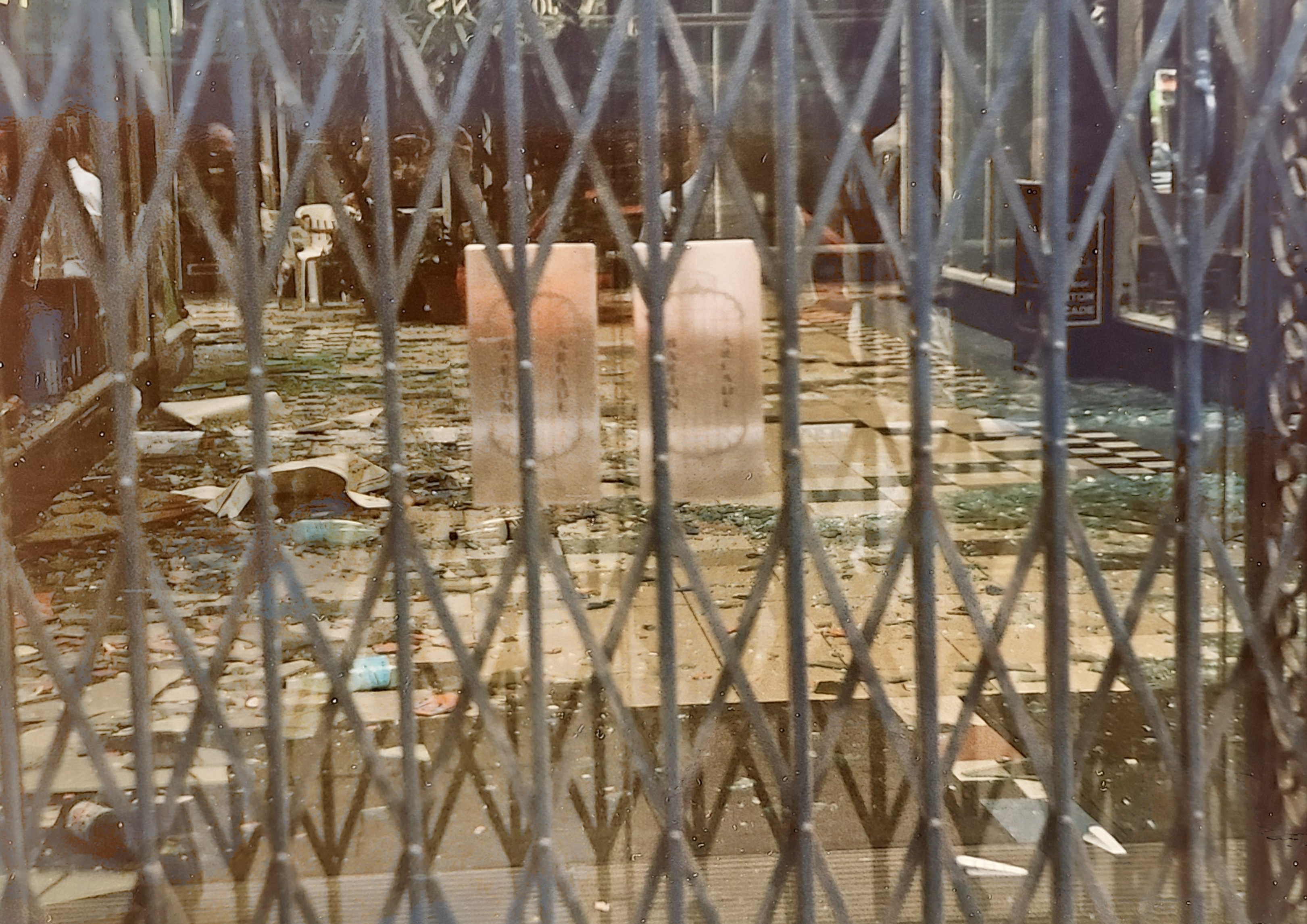
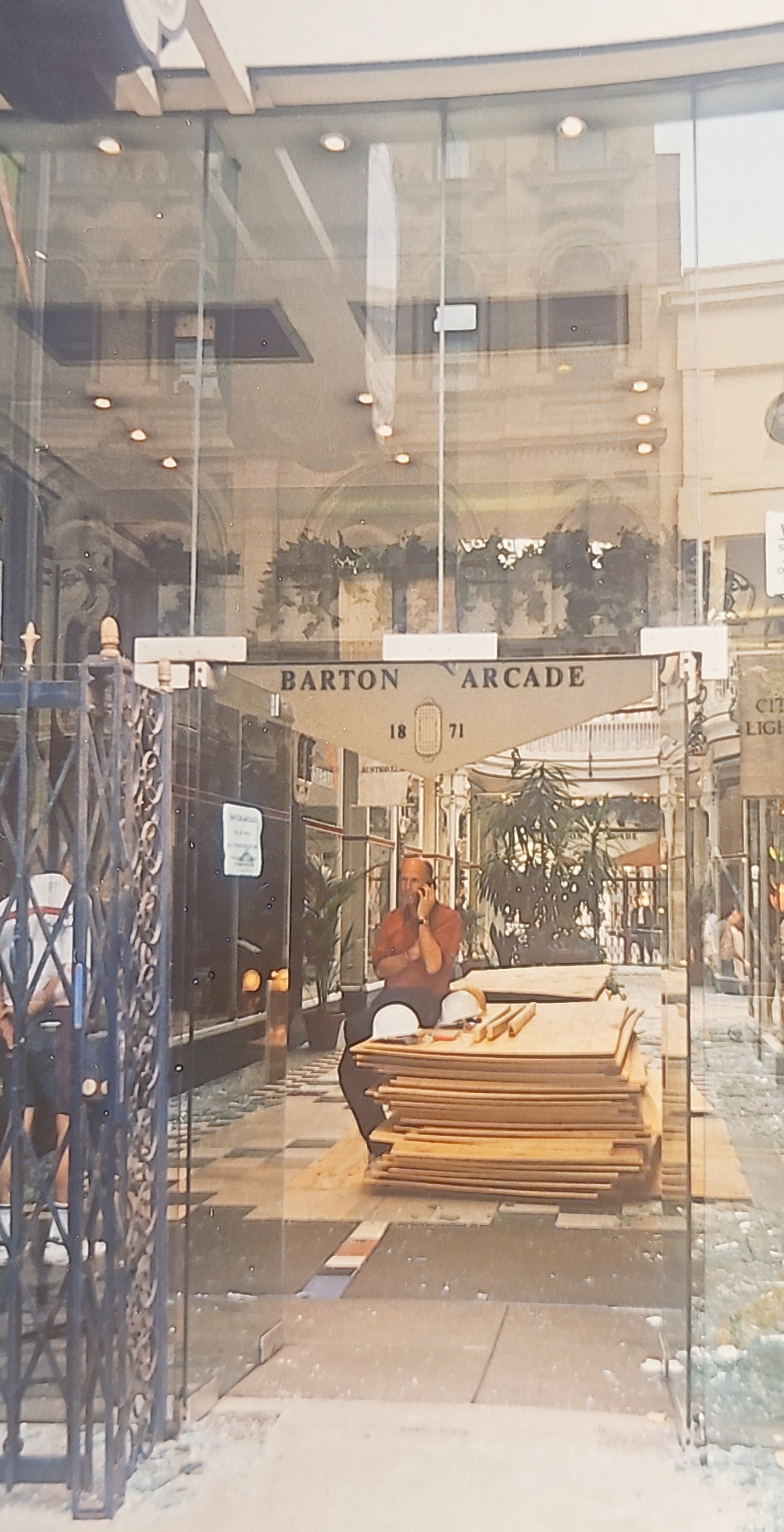
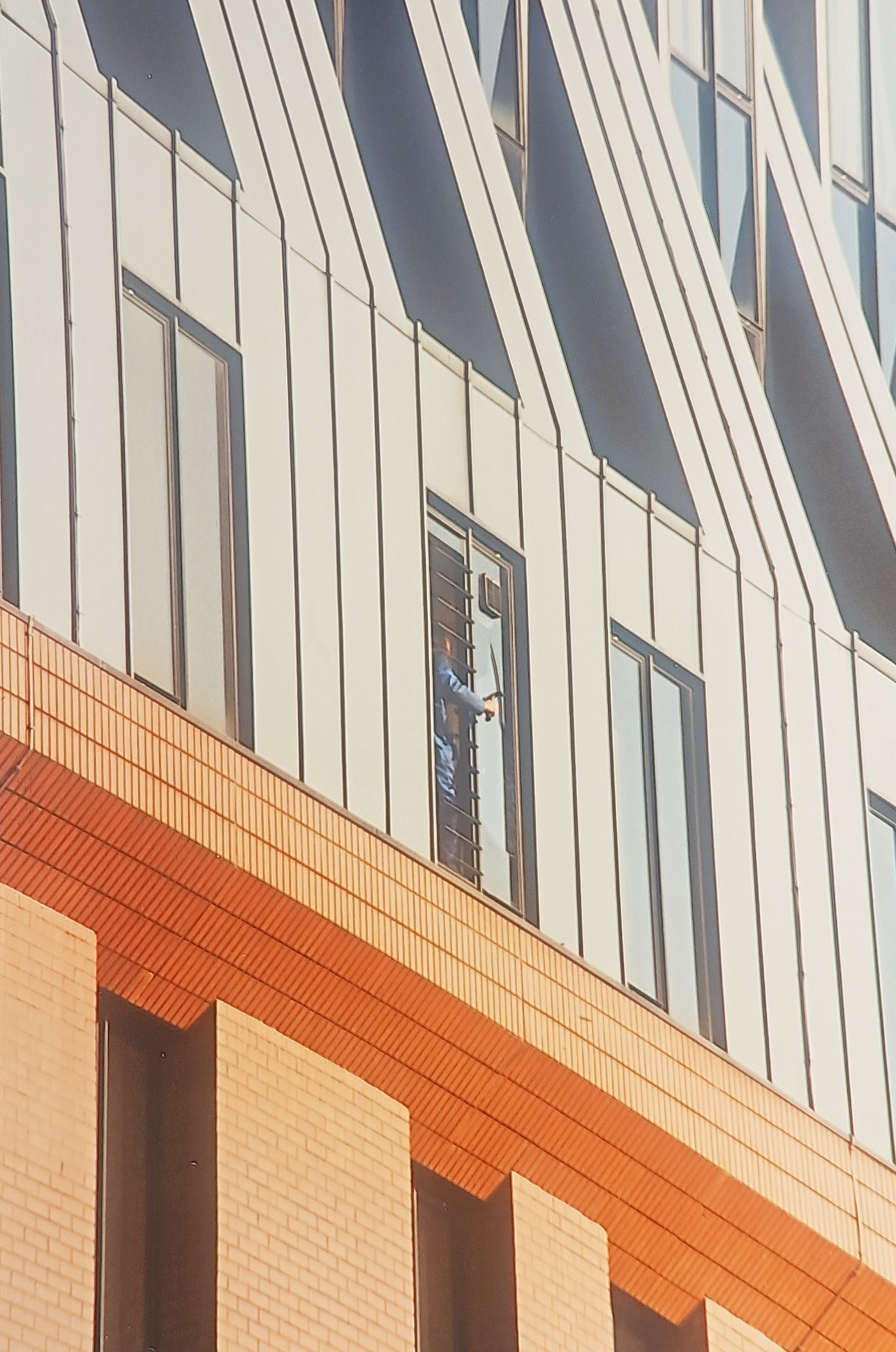
The Postbox
Among all that damage, one ordinary object became impossible to ignore: a red cast-iron Royal Mail postbox standing close to what little was left of the lorry.
A CCTV image taken before the explosion shows just how close it was, almost directly behind the vehicle. After the blast, photographs show it still upright amid rubble, shattered glass and twisted metal. Around it, buildings had been gutted and the city centre sealed off. Yet the postbox remained standing, almost undamaged.
It is still there now, beside the tramlines added when the Metrolink tram system was expanded significantly in 2015-2017. Its survival is striking not because it was grand or symbolic by design, but because it was ordinary: street furniture, practical and familiar, almost invisible until the blast made it remarkable.
In photographs from the immediate aftermath, it stands among debris like a stubborn punctuation mark in a broken sentence. Today it remains part of the rebuilt streetscape, carrying both letters and memory.
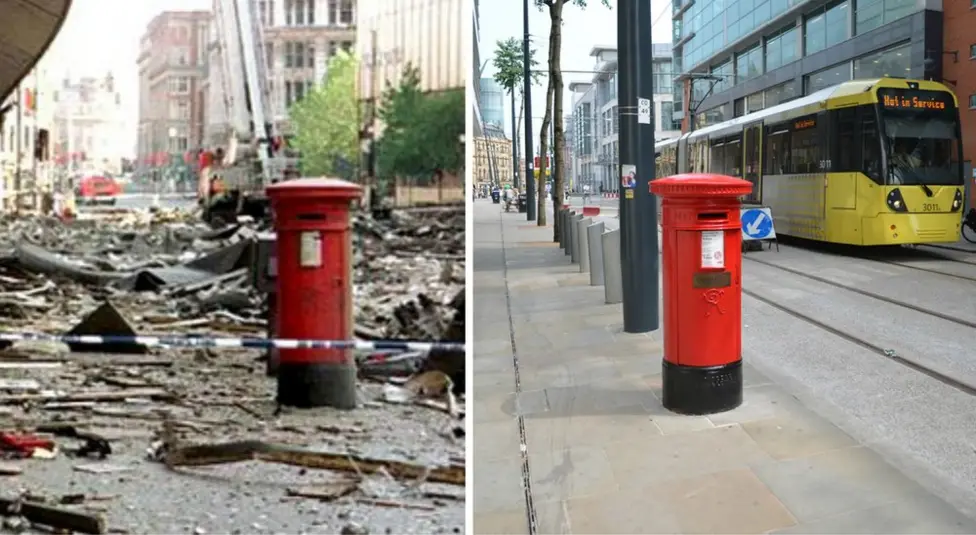
Restored to its location next to new tramlines, freshly painted and with a plaque attached, right.
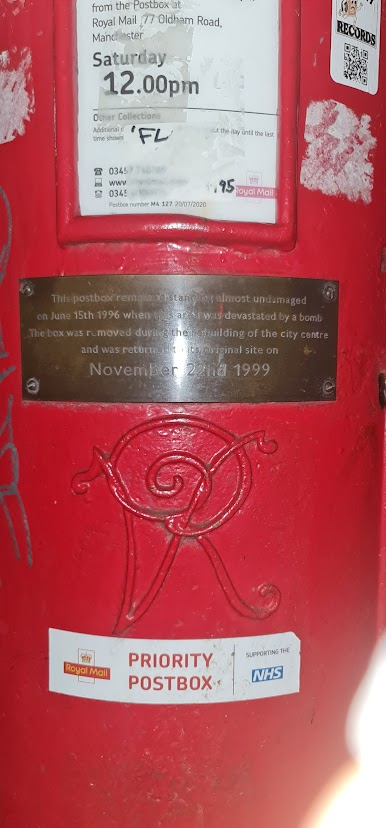
“This postbox remained standing almost undamaged on June 15th 1996 when this area was devastated by a bomb. The box was removed during the rebuilding of the city centre and was returned to its original site on November 22nd 1999”
Plaque on postbox
Thirty Years Later
Thirty years later, these photographs matter to me not because they show destruction, but because they show the strange half-life of a city, my home for so many years, after the blast. Sealed streets. Demolition. Damaged glass being removed. Trams passing through without stopping. People trying to communicate in a world before smartphones, when even basic mobile phones were still quite rare. Workers beginning the long business of making damaged buildings safe enough to enter.
Manchester rebuilt, as cities do. The Arndale changed. Corporation Street changed. The whole area around M&S changed. The streetscape was remade around the wound.
But memory does not rebuild in quite the same way. It keeps fragments: a helicopter circling, PA announcements breaking into pieces on the air, a plume of smoke, a lorry ticketed on double yellow lines, a postbox still standing.
That is what I remember most clearly: not only the violence of the blast, but the ordinary things around it, suddenly made significant because they survived.
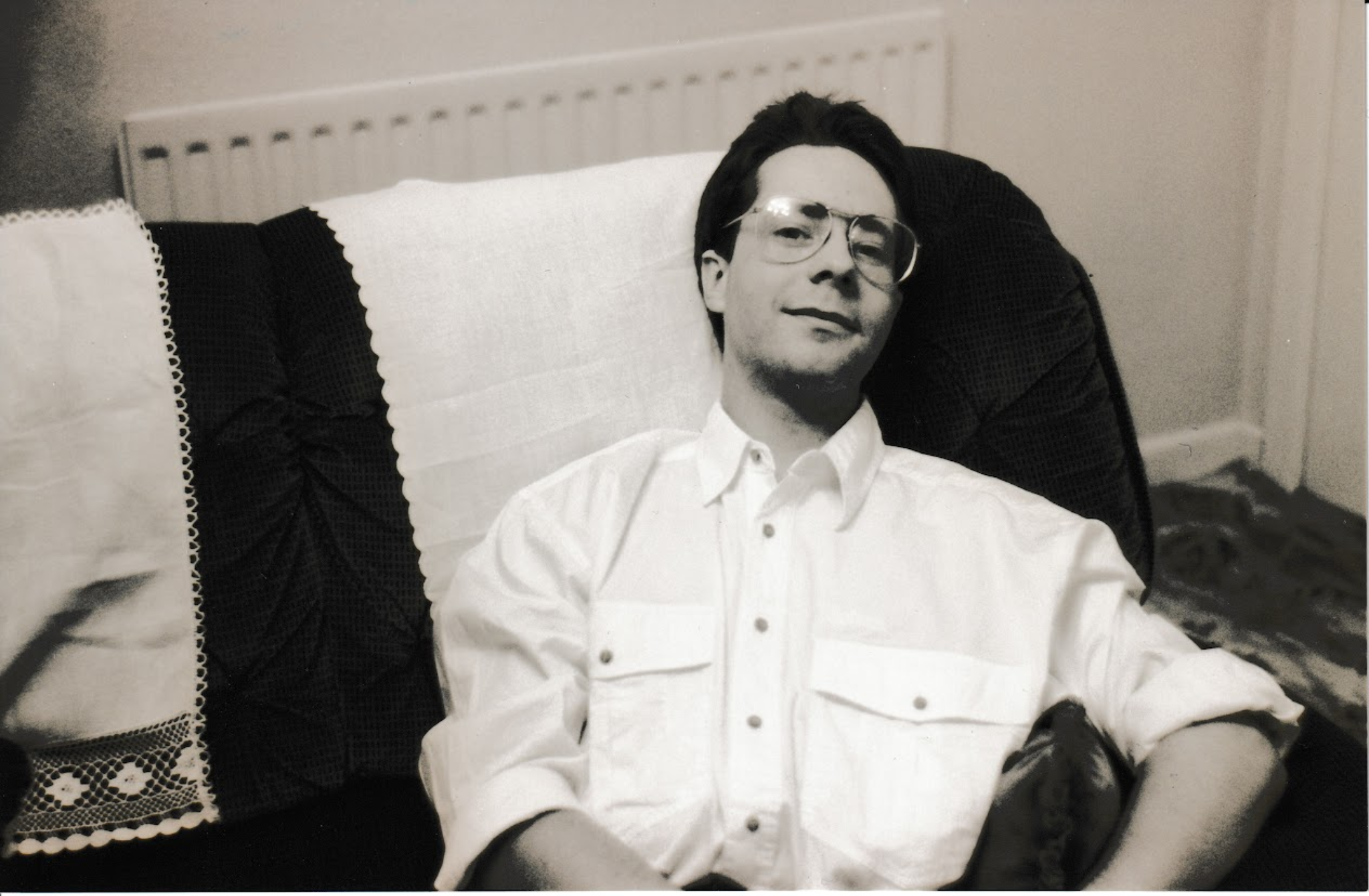
Manchester has changed a great deal since then. And, clearly, so have I.


