
With a name like mine, it’s only natural that I’d be interested in The Hounds of the Baskervilles. Yes, Hounds plural – there have been many over the last years decades century+. And part of me that hates incomplete sets naturally wants to experience them all – the good, the bad, and even the thoroughly dreadful.
It pains me to say it, but there is ambiguity within the list. Some have different titles, but clearly represent the story. Some have similar titles but clearly do not represent the story.
My first attempt unearthed 14 film versions, 12 of which I could obtain, and a few odd TV versions. But now I’ve discovered over 30 – which is interesting because it is often said that Dickens’ A Christmas Carol has the most adaptations at around 20. Of course, it depends whether one counts TV adaptations or only film ones – edgecases abound, my favourite territory!
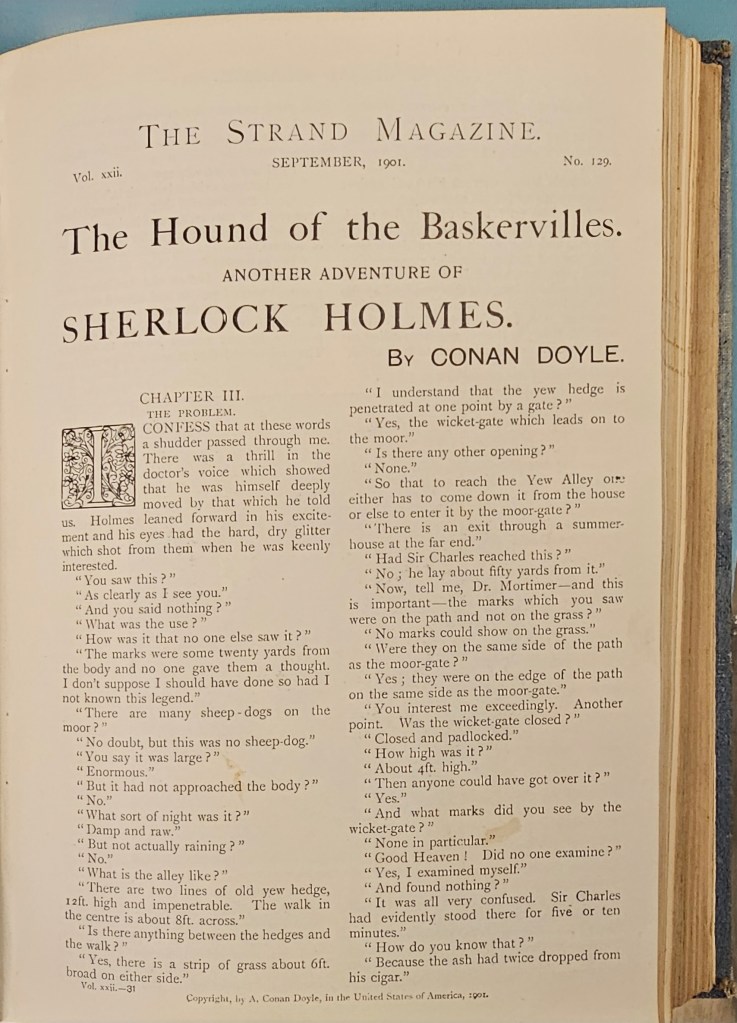
In terms of “Plot Accuracy”, the baseline is my own original copy of the Strand Magazine containing the first publication of The Hound of the Baskervilles from September 1901.
A note on completeness
I’ve been working on this article for a very long time now. Every time I thought it was approaching completeness, I’d discover a new version. I now have several versions listed which I have not managed to obtain and which, in some cases, may be unobtainable.
Therefore, I’ve decided to publish it unfinished on the grounds that it may never be actually finished as such. Life is messy – deal with it!
I’ve added an “Errata/Updates” section to note major changes after first publication date.
Coming Soon:
Sophie Baskerville
Book Reviews: Hounds of the Baskervilles
The extent and variety may intrigue you…
Contents
The Film List for Hounds of the Baskervilles
- My Ratings – What do they mean?
- 1914: Der Hund von Baskerville – The Hound of the Baskervilles
- 1921: The Hound of the Baskervilles
- 1929: Der Hund von Baskerville – The Hound of the Baskervilles
- 1932: The Hound of the Baskervilles
- 1937: The Hound of the Baskervilles
- 1939: The Hound of the Baskervilles
- 1951: Jighangsa – Blood-Lust
- 1955: Der Hund von Baskerville
- 1958: The Hound of the Baskervilles
- 1962: बीस साल बाद – Bees Saal Baad – Twenty years later
- My Ratings (2/-/-/-/-/-) – Update pending soon!
- 1968: The Hound of the Baskervilles
- 1968: L’ultimo dei Baskerville – The Last of the Baskervilles
- 1971: Собака Баскервилей – Sobaka Baskerviley – The Hound of the Baskervilles
- 1972: The Hound of the Baskervilles
- 1978: The Hound of the Baskervilles
- 1981: Собака Баскервилей – Sobaka Baskerviley – The Hound of the Baskervilles
- 1982: The Hound of the Baskervilles
- 1983: The Hound of the Baskervilles
- 1983: Sherlock Holmes and the Baskerville Curse (cartoon)
- 1988: The Return of Sherlock Holmes: The Hound of the Baskervilles
- 1995: Wishbone: The Slobbery Hound
- 1999: Sherlock Holmes in the 22nd Century: The Hounds of the Baskervilles
- 2000: The Hound of the Baskervilles
- 2002: The Hound of the Baskervilles
- 2012: Sherlock: The Hounds of Baskerville
- 2014: Elementary: The Hound of the Cancer Cells
- 2015: Шерлох: “Кішка Баскервілів” – Sherlokh: “Kishka Baskerviliv” – Sherlock – “The Cat of the Baskervilles”
- 2015: バスカーヴィル君と犬の冒険 – Basukā vu~iru-kun to inu no bōken – The Adventures of Mr Baskerville and the Dog
- 2016: Elementary: Hounded
- Conclusions
My Ratings – What do they mean?
| Availability | 0 (unavailable)… 4 (v difficult)….7 (moderately so)….10 (easy) |
| Technical Quality | 0..10 with 10 being the best (production and media quality) |
| Plot Accuracy | 0..10, original Strand Magazine version as the baseline |
| Characters | 0..10 are they believable? Any exposition? |
| Hound | 0 (none!)..2 (risable!)..4 (cute!)..7 (mediocre!)..10 (terrifying!) |
| Watchability | 0 (avoid)..5 (bearable)..8 (worth it)..9 (good).. 10 (great) |
1914: Der Hund von Baskerville – The Hound of the Baskervilles
My Ratings (5/1/3/3/3/4)
| Availability | 5/10 (tricky to find) |
| Technical Quality | 1/10 |
| Plot Accuracy | 3/10 |
| Characters | 3/10 |
| Hound | 3/10 |
| Watchability | 4/10 |
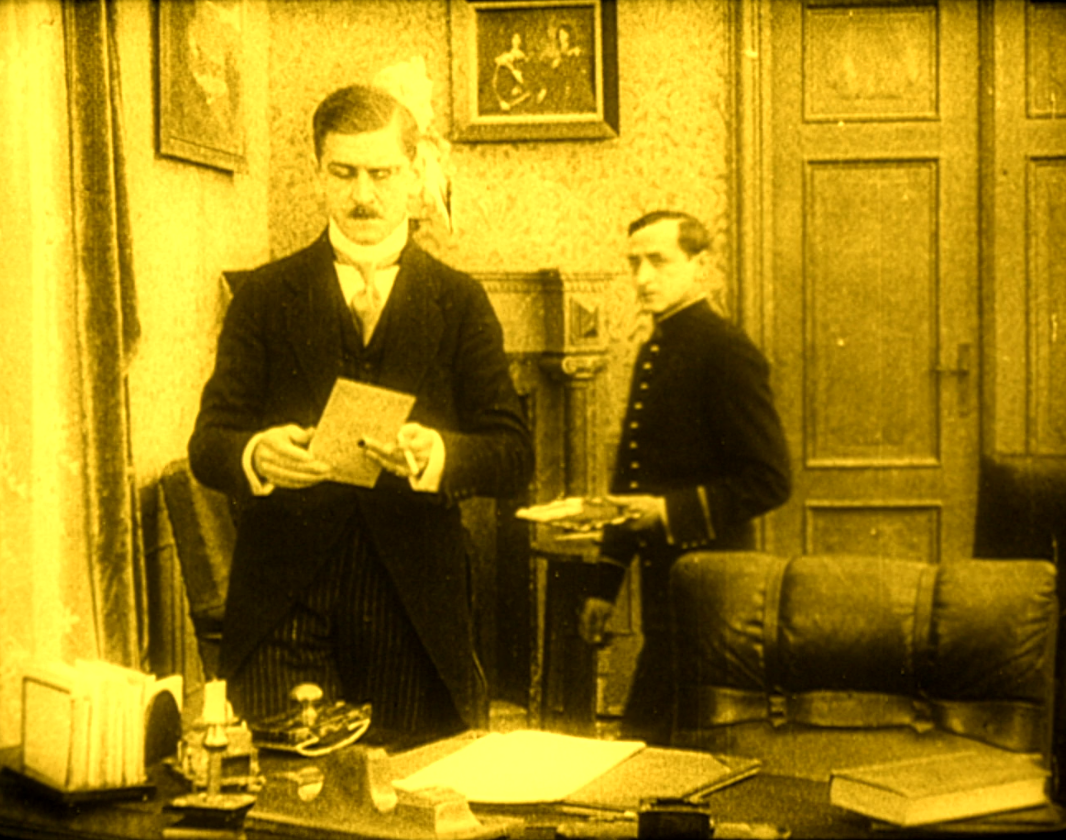
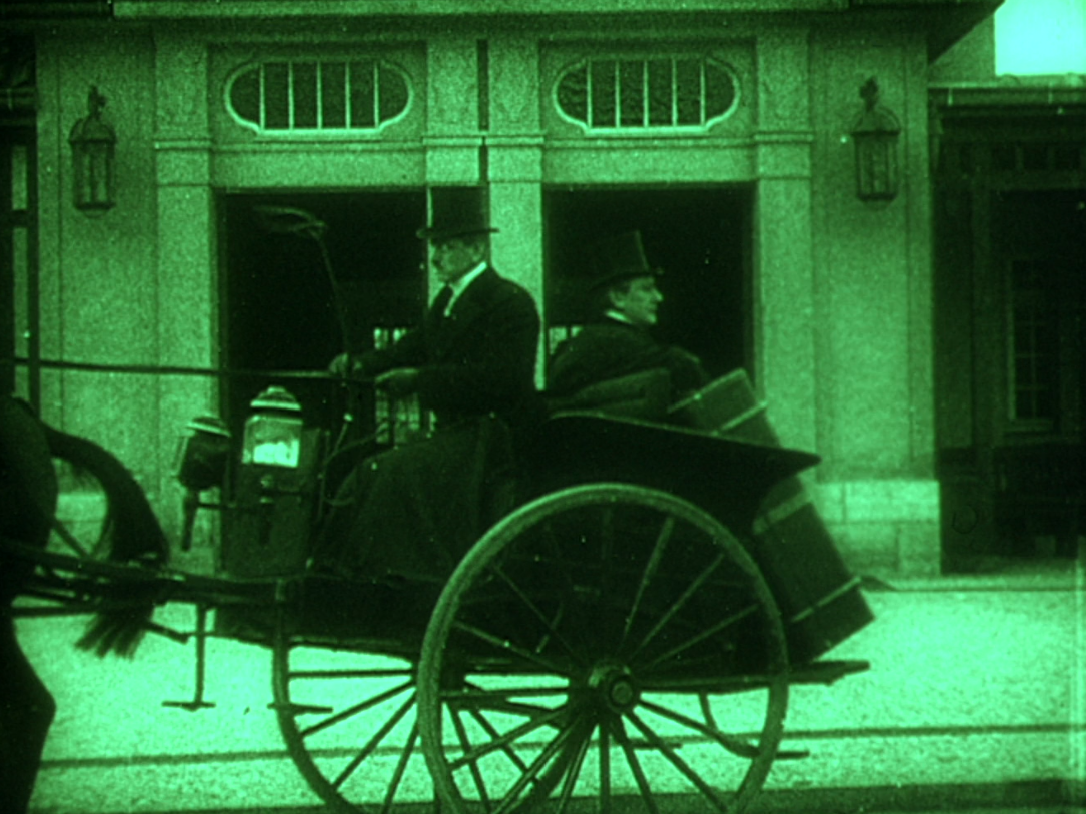
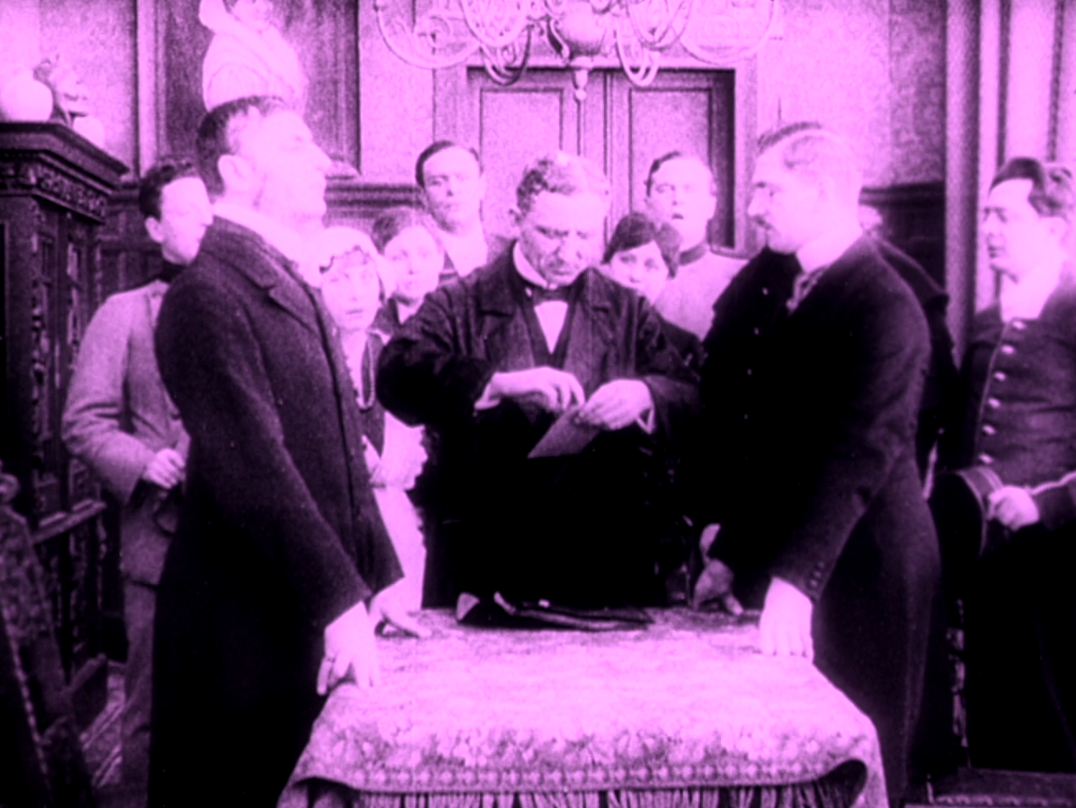
Managing to obtain a copy of this was truly joyful. It was considered lost for many years, but two copies surfaced – one in the russian Gosfilmofond archive, and one in the Filmmuseum München which found a 35mm positive print. Whilst the British Film Institute (BFI) has obtained a copy, it can only be viewed on-site at their HQ near Waterloo station, much to my frustration during the Covid Lockdown period. However, if one obtains the home media release (2019) from Flicker Alley of the 1929 version (below), one gets this 1914 version included too which I only realised once I had received it in the post as part of a Covid Lockdown project.
At 110 years old, this is a fascinating film. The colouration is all over the place, the monochrome footage in different scenes appearing yellow, green and pink. For reasons best known to the restoration team, the intertitles (see under the 1929 version for definitions) are mostly a garish green hue. Unlike the 1929 version which comes in 2 versions on the media (English and German), this one is German only, and my German is very limited indeed.
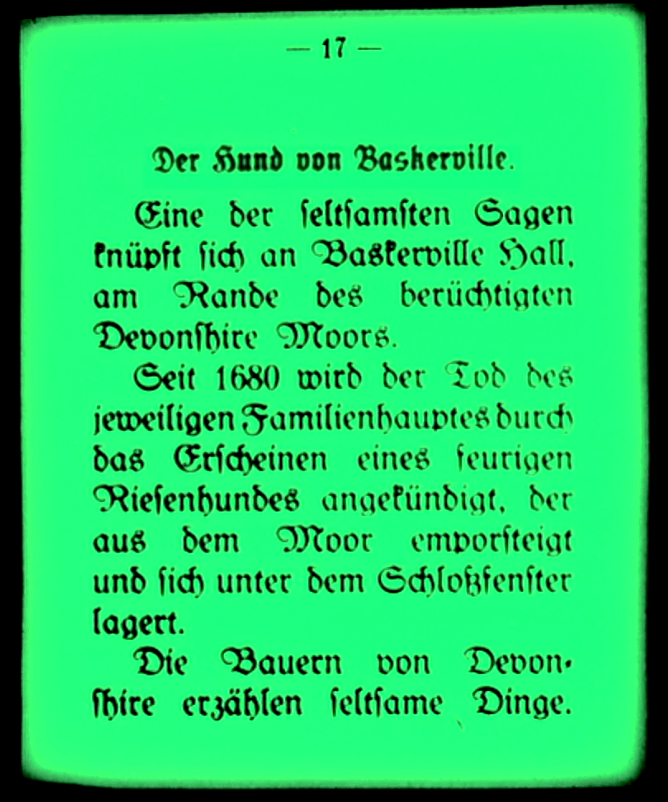
This makes following the plot somewhat tricky. As with other early productions, and even many later ones, the dog is not entirely impressive. At least they picked a decent sized one for this version though.

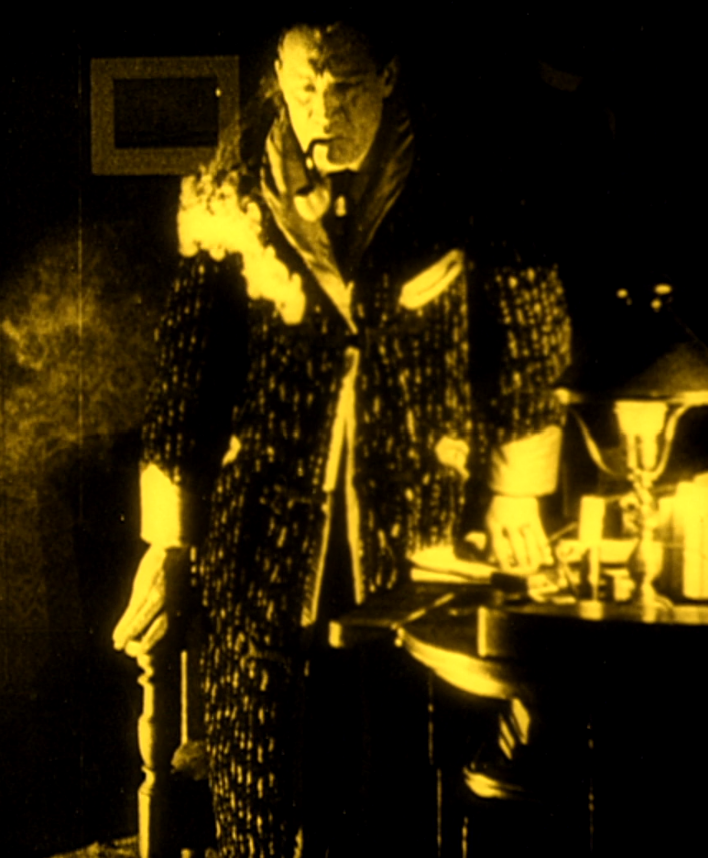
There is not much I can tell you about the intricacies of the plot. The basic elements are there, without much Holmes-Watson interaction, and the production is much less smooth and considered than the later 1929 version. On the other hand, it was released on 1914-06-12, just one month and sixteen days before the assassination of Archduke Ferdinand on 1914-07-28 which directly led to the outbreak of The Great War (as it was known in its era) or World War I as we would term it now. Tensions across Europe had been running high for some time, and it is within this general background context that this film has been made.
It’s quite hard work to watch (unless you speak fluent German, I suspect), but it’s a very early film. Yes, there is the Roundhay Garden Scene from the UK in 1888, clocking in a three seconds long (yes, 3 seconds!), the 1893 Blacksmith Scene (34 seconds, USA) the first film of actors playing character parts, but this remains an early adaptation of a full novel, and would have been exciting and new for its time. Necessary viewing for a completist, worth a glance for this interested in history, but not terribly significant – other than being the first – as a Hound of the Baskervilles adaptation.
1921: The Hound of the Baskervilles
My Ratings (1/3/-/-/5/-)
| Availability | 1/10 (unobtainable?) |
| Technical Quality | 3/10 |
| Plot Accuracy | ?/10 |
| Characters | ?/10 |
| Hound | 5/10 |
| Watchability | ?/10 |

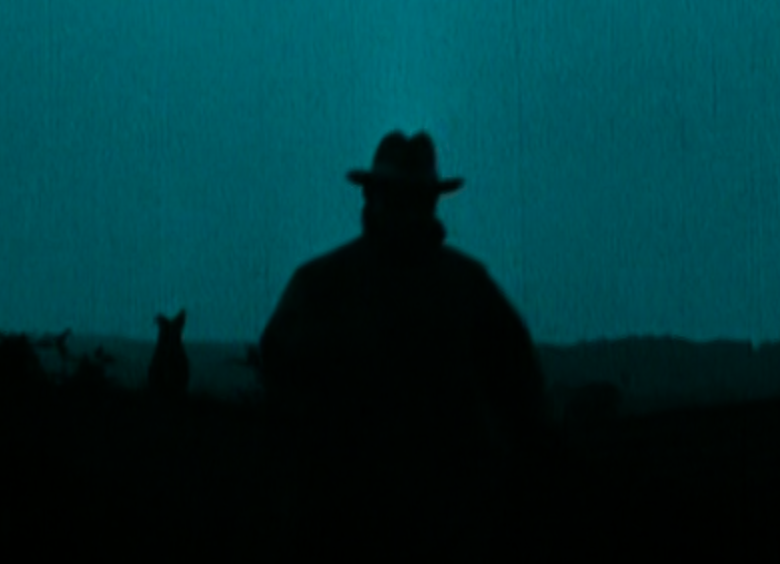
This has proven elusive, and I have not yet obtained a copy. I have some scenes from it, from the 2006 Silent Britain documentary – itself absolutely fascinating for anyone interested in the early British film industry (yes, it really had one).
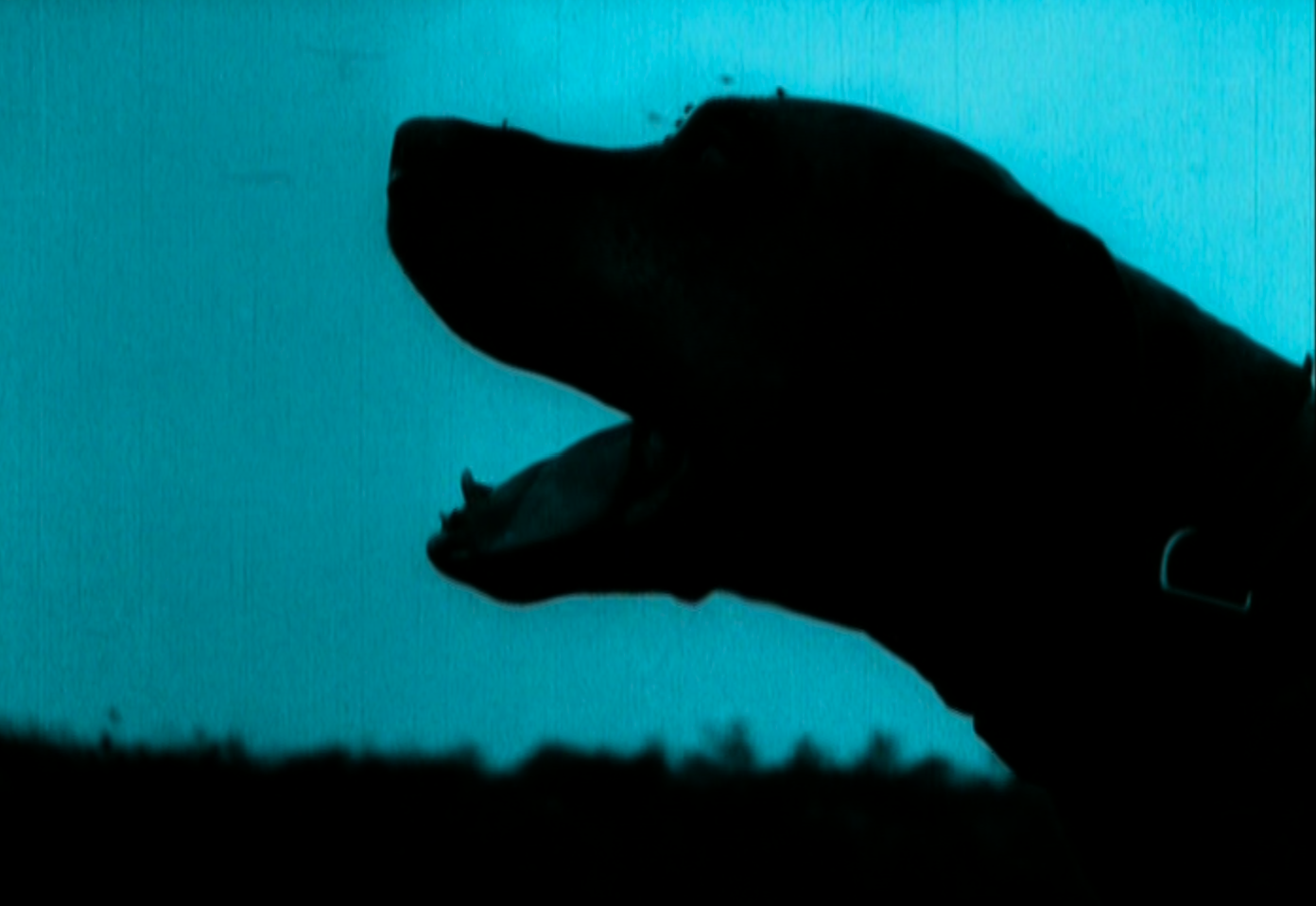

Not much can be gleaned from the short segments I have seen, so I cannot really judge the quality of the story. But the Hound looks good, and clearly gets shot by Holmes & Watson at the climax of the story.

1929: Der Hund von Baskerville – The Hound of the Baskervilles
My Ratings (5/3/6/5/4/5)
| Availability | 5/10 (tricky to find) |
| Technical Quality | 3/10 |
| Plot Accuracy | 6/10 |
| Characters | 5/10 |
| Hound | 4/10 |
| Watchability | 5/10 |


Recovered & restored in 2018 from an incomplete 35mm nitrate print with Czech language intertitles (the words written on cards shown during silent films), and from two reels of a French titled Pathé Baby 9.5mm print. Portions remain lost, and the missing material is bridged with still images from the Deutsches Filminstitut and plot & narrative information from a draft shooting script plus the censor’s certificate.
Film buffs will know all about the tendency of old nitrate prints to explode when exposed to oxygen, so the restoration really was the last chance to rescue this very early example.
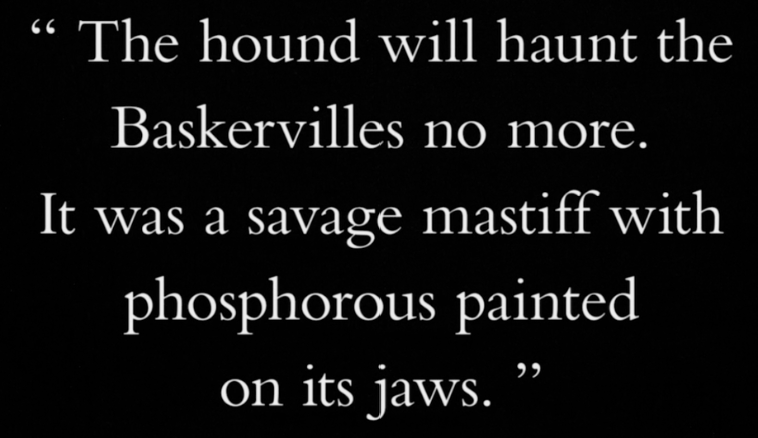
There is something of an art to watching Silent Films. When I was young (1970s/1980s), there were still occasional examples shown on TV – Charlie Chaplin & Harold Lloyd spring to mind. But people younger than this may easily never have seen a Silent Film, and will find it a most disconcerting experience. You see the actors’ lips move, but hear nothing but the musical score playing; the music gives the relevant mood, and the only dialogue you get are the intertitles – one such pictured here, along with Stapleton looking utterly certifiable…

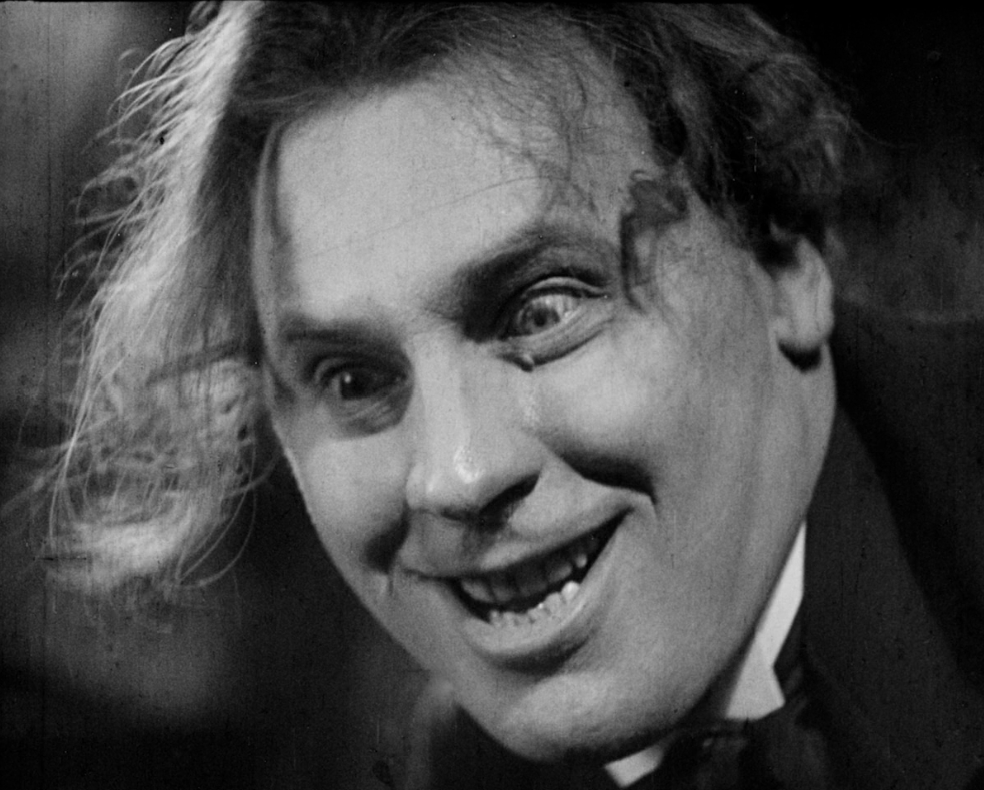
In the cinemas of the day, the music would be played by a pianist live against the silence of the film. Quite a different experience altogether from modern film. On the plus side, translating silent films for foreign audiences merely involved replacing the intertitles – no dubbing or subtitles required. Silent Films often involved quite hilariously exaggerated facial and postural reactions, because it was the only way to convey the drama.
Running at an hour long, this adaptation has to short-cut chunks of the plot. Given its age, it feels a bit brutal to be too harsh, but some simple errors could easily have been avoided (or corrected) during the restoration.
For example, the letter constructed from newspaper clippings. The word MOOR in the letter should be handwritten, and the other words should be complete words cut out, not separate letters. Spoiled it a bit for me!
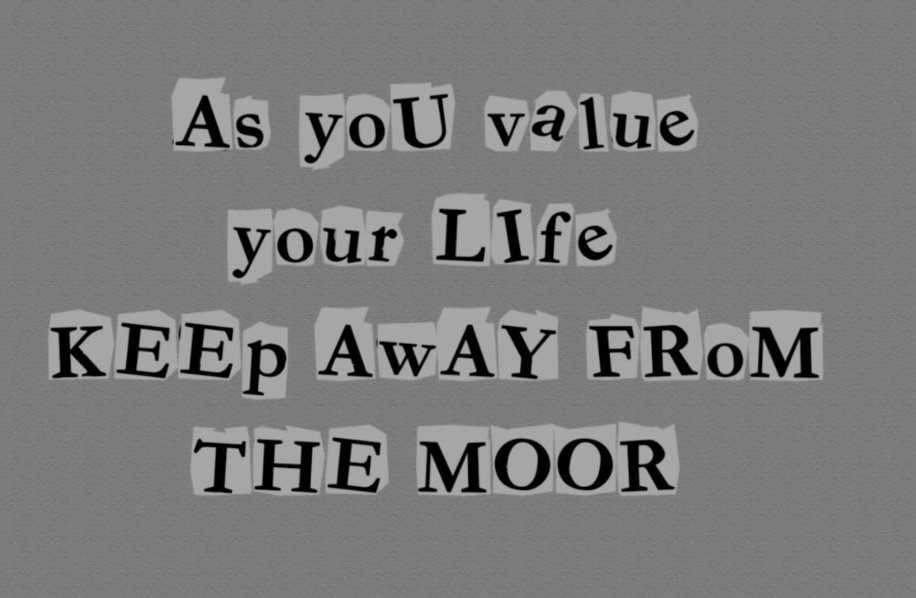
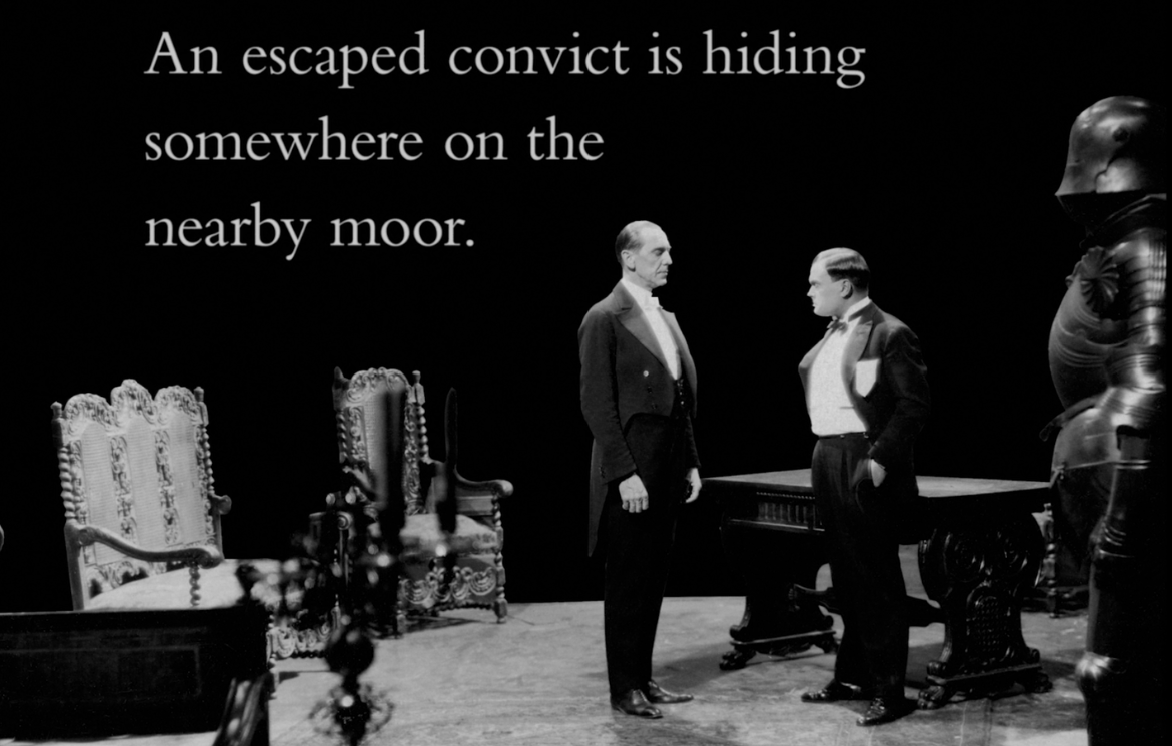
The missing parts are well-bridged with the stills and text, a credible job done by the restoration team. The bridged parts only really stand out because the image quality is higher than of the actual film parts.
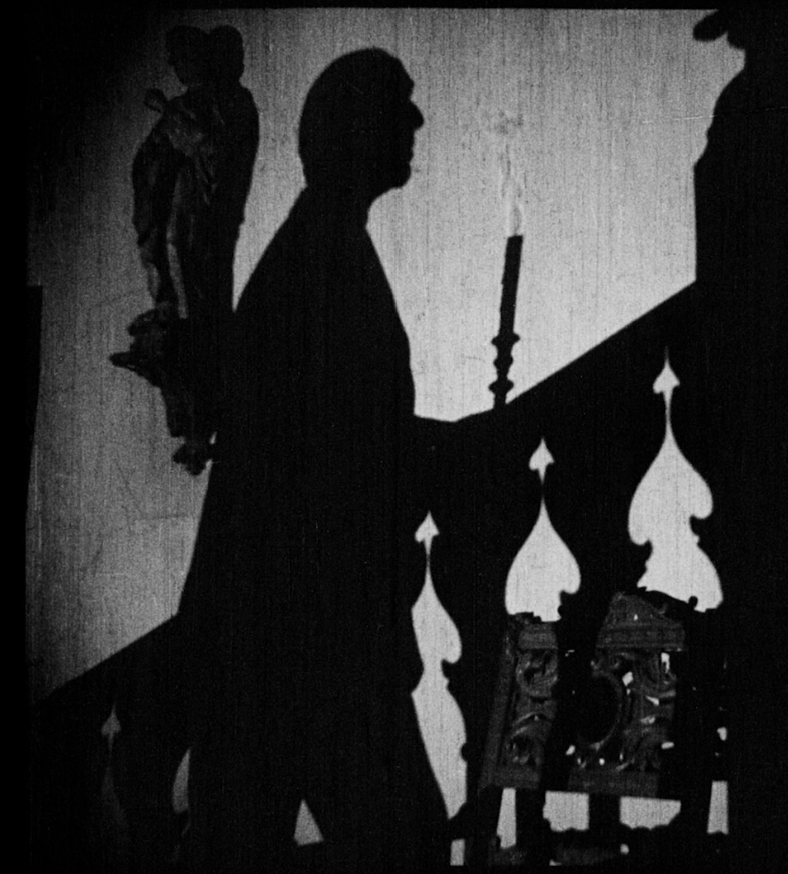
The director knew how to make the images as dramatic as possible given the considerable limitations of the medium. This frame shows someone creeping upstairs by just showing the shadow, and the heat from the candle can be seen distorting the light which passes through the flame. These creative touches make it more dramatic than it otherwise could have achieved.
The key moments are mostly present including the moment when Holmes accidentally manages to show his silhouette as Watson is looking for the escaped convict Seldon upon the Moor. It is worth noting that this is the first adaptation to include significant personal interactions between Holmes and Watson, something seen in all the later decent adaptations. Earlier ones tended to concentrate upon just Holmes himself, reducing Watson to just a bit-part.
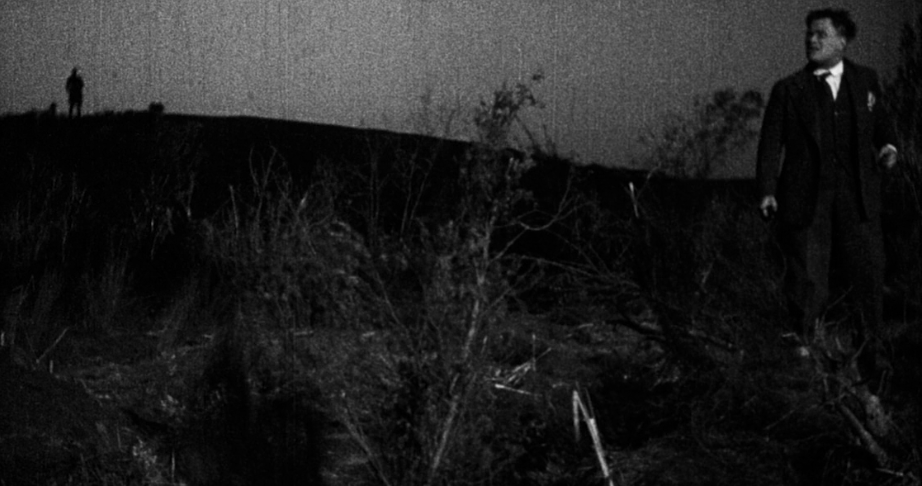
The image quality of some of the film is badly degraded, with visible vertical wear lines or scratches almost rendering the image unusable. The restoration was clearly a challenging process.

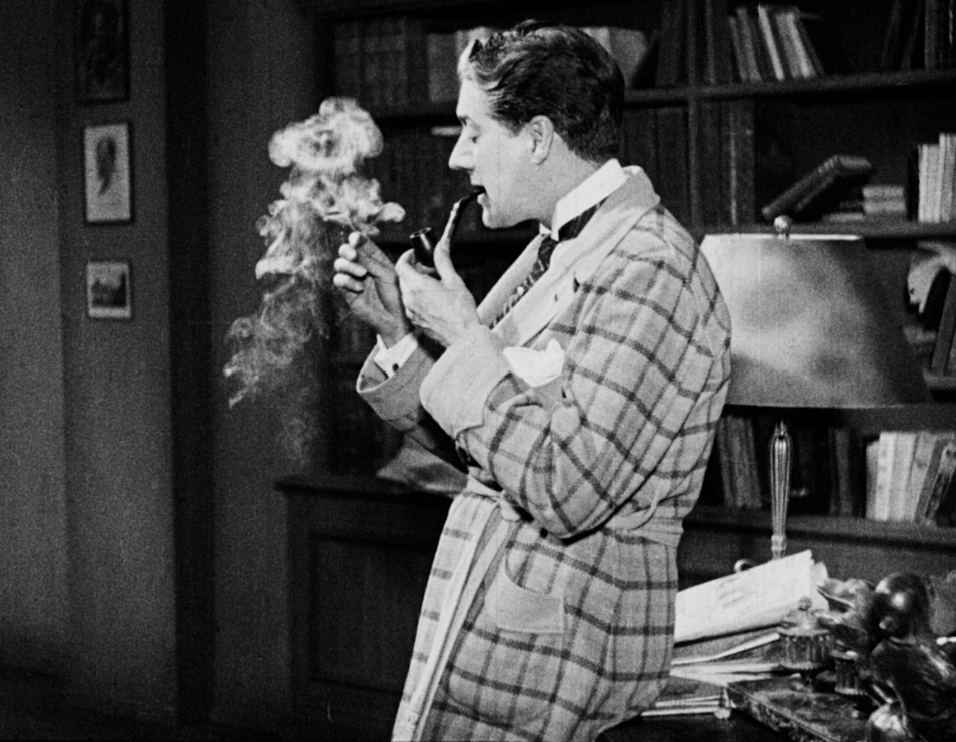
The Hound itself is altogether too cute, and not particularly big. However, for such an early production, they did a reasonably good job of making it look fierce for the closeup shot below. Holmes, of course, is seen with his signature pipe, smoke & all.
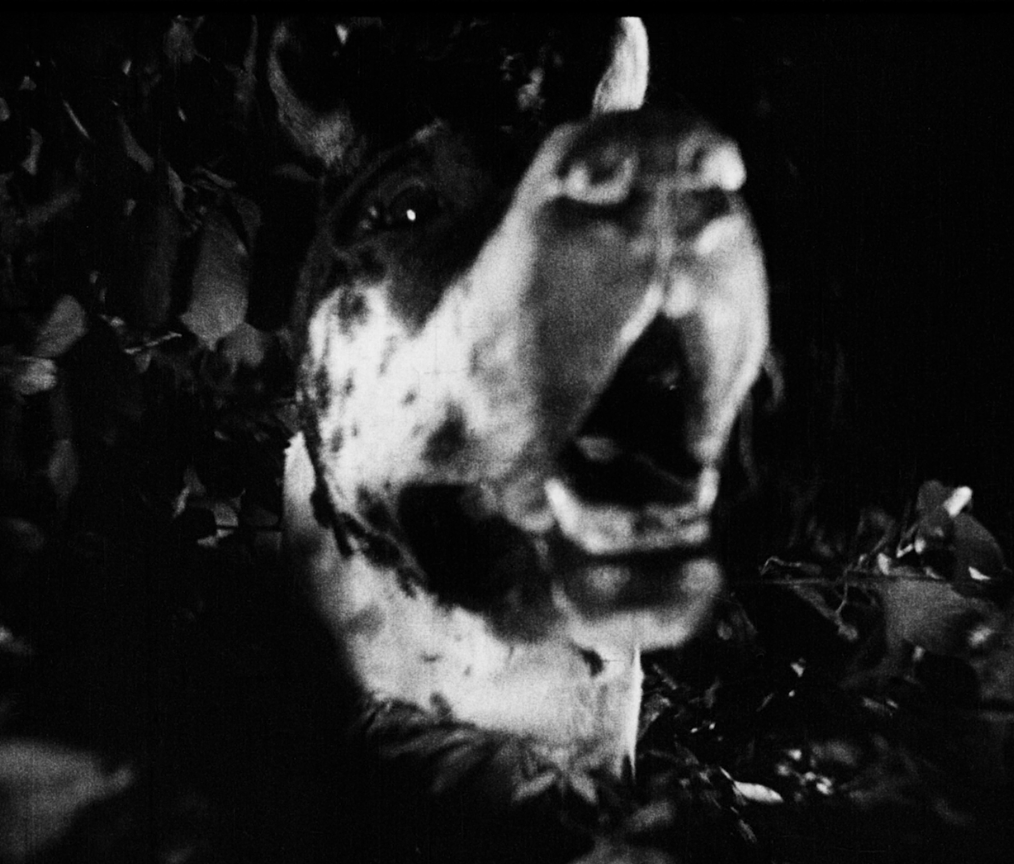
The small cute dog savage mastiff with phosphorous painted on its jaws is somewhat disappointing overall however, with no glowing visible at all sadly.
Overall, a fascinating early example of adapting a novel such as this to the (silent) cinema screen, and worth a viewing if only for a sense of history. You will not find any other Silent Film, I suggest, more atmospheric than this one.
1932: The Hound of the Baskervilles
My Ratings (0/-/-/-/-/-)
| Availability | 0/10 |
| Technical Quality | ?/10 |
| Plot Accuracy | ?/10 |
| Characters | ?/10 |
| Hound | ?/10 |
| Watchability | ?/10 |
I’ve been unable to source this. It WAS available to view in the Mediatheque at BFI Southbank but sadly that is closed with no sign of it re-opening.
IMDB provides this insight: “For years, only the visual elements of this film survived. In 1991, the complete soundtrack turned up, believed to be on discs. After a restoration, one complete print of the film was struck from the “married” elements. This film has been shown by the Sherlock Holmes Society of London, but has not been made available commercially.”
1937: The Hound of the Baskervilles
My Ratings (5/6/5/4/½/2)
| Availability | 5/10 (tricky to acquire) |
| Technical Quality | 6/10 (sound is poor & crackly) |
| Plot Accuracy | 5/10 |
| Characters | 4/10 |
| Hound | ½/10 (risible, looks stuffed) |
| Watchability | 2/10 |
Made in Nazi Germany shortly before the Second World War, as unlikely as that sounds. We’re now in the era of sound too. Bad News it’s in German. The Good News, I was able to locate an English set of subtitles to accompany it.
By 1934, Hitler had managed to become both the head of state and the head of the government, with absolute power. This was a time of rapid economic recovery, the breaking of restrictions imposed on Germany after World War I, and moves towards annexation of territories – all part of the explicit policy aim or Lebensraum or Living Space. This was a time of large-scale rearmament. It would only be 28 months after this film that the invasion of Poland would trigger Britain and France to declare war upon Germany. Quite the backdrop.
The action does not flow terribly well. There are moments of levity that feel quite out-of-palce. When the warning letter is received – again, with two critical details unnecessarily changed; cut out letters rather than cut out words, and the word MOOR should be handwritten – there is some flippant dialogue:

“Who could have sent this letter?”
– This film
“Probably the Hound of Baskerville personally.”
Although only 1h15 in length, it does seem to drag on somewhat. On the plus side, there are some early examples of long tracking shots at the beginning which I’ve not seen before in films of this era.
The plot doesn’t so much deviate from the original as meander all over the place, for no discernable reason. Lots of superfluous material is included – a whole scene on tobacco sample identification for example, which adds nothing to the plot. The classic scene of Holmes accidentally being seen by Watson in silhouette atop a tor is absent. There is little-to-no character development or exposition.
The Hound…. well, the less said the better. It’s barely visible, just a blurred blur, a patch of darkness against a dark background. We only get one good shot of it, and it looks like a badly stuffed puppet to me. Not impressive. Not scary in the slightest.

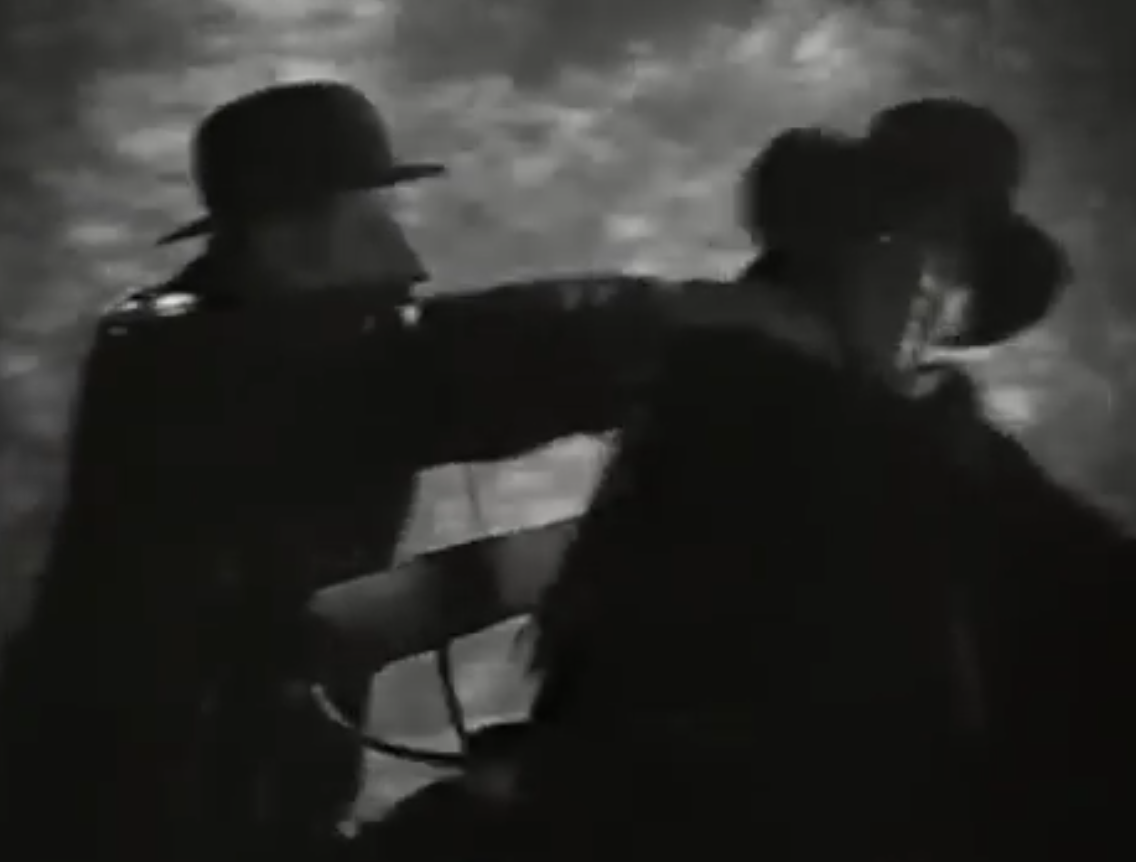
There is a bizarre horse & carriage scene at the end, in which Stapleton fights off Holmes then sinks with the carriage into the Grimpen Mire. Presumably the two horses sink, although we are spared that grizzly sight.


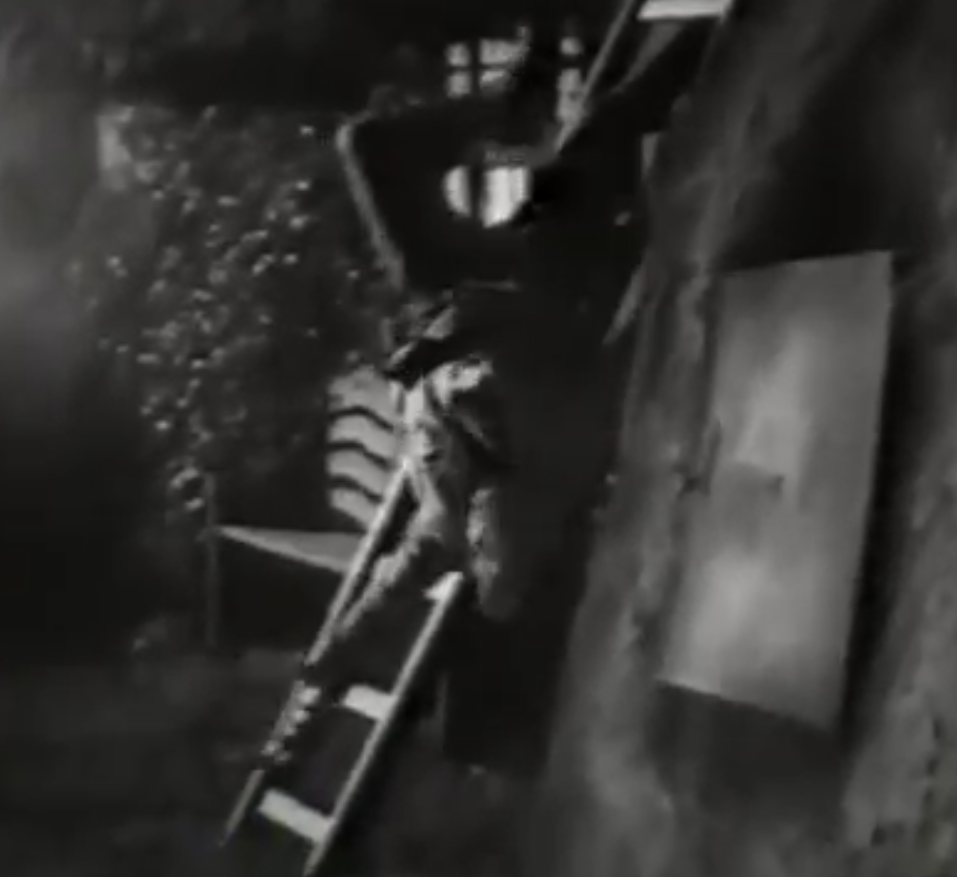
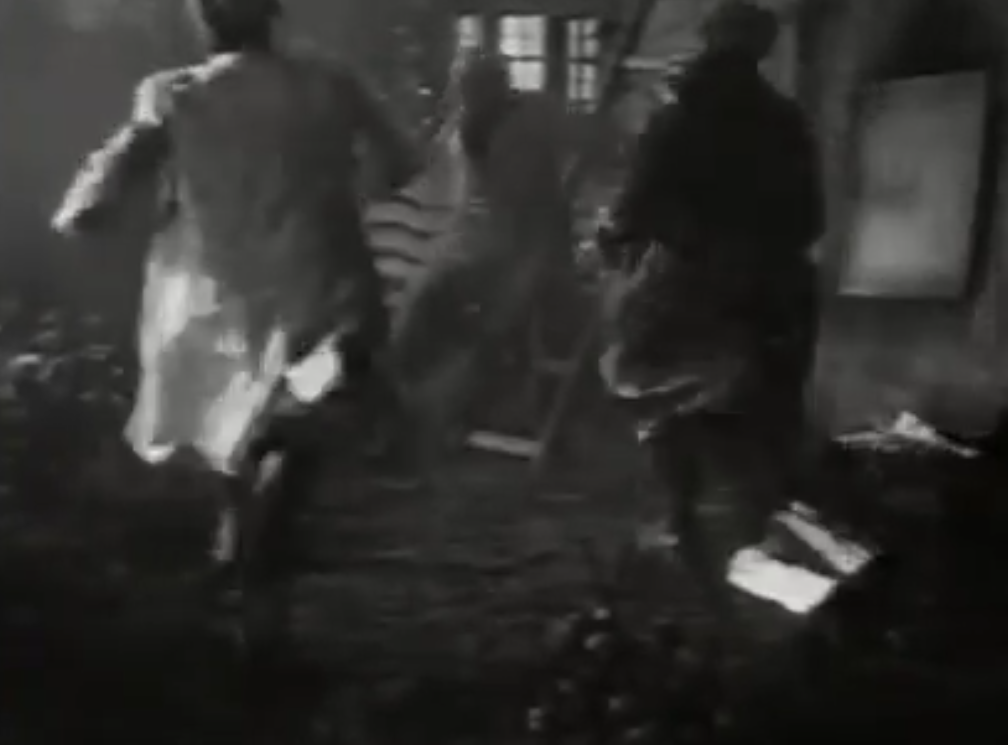
To be fair, this scene is no more bizarre than the scene of Sir Henry, persued by the Hound, managing to get climbing up a ladder so wrong that it comes across as slapstick. Yes, a ladder. No, don’t ask – I really have no idea.
Summary: AVOID!
1939: The Hound of the Baskervilles
My Ratings (8/8/7/7/5/7)
| Availability | 8/10 |
| Technical Quality | 8/10 |
| Plot Accuracy | 7/10 |
| Characters | 7/10 |
| Hound | 5/10 |
| Watchability | 7/10 |
An absolute classic Basil Rathbone / Nigel Bruce monochrome film version. First of 14 Sherlock Holmes films produced starring this pair, all between 1939 & 1946 whilst Europe was engulfed in World War II. It is notable as the first adaptation set in the original Victorian period of the novel. A few key plot points are changed; Laura Lyons (pivotal to the original plot) is omitted completely, as is Inspector Lestrade sadly. An entirely unnecessary séance is added. For local reasons, Barrymore is renamed Barryman. The climactic scene is slightly spoiled by the mismatch between the ghastly noises of the Hound and the not-particularly-large dog which is clearly wagging its tail and having a great time. Overall, however, an excellent film version which is watchable even now.
Summary: RECOMMENDED!
1951: Jighangsa – Blood-Lust
My Ratings (1/6/2/4/0/4)
| Availability | 1/10 (challenging to obtain) |
| Technical Quality | 6/10 |
| Plot Accuracy | 2/10 |
| Characters | 4/10 |
| Hound | 0/10 (no Hound!) |
| Watchability | 4/10 |
This was very challenging to obtain. The first two versions I managed to track down, after some hunting, had no sound after the initial music. That made following the plot somewhat challenging – a silent movie without even the intertitles to help. However, persistence paid off and I managed to obtain a third version with not only the full sound but, bonus, English subtitles. Yay.
So this and the 1962 Bees Saal Baad (below) are closely related. Both are by Bengali directors, although the later film is in Hindi rather than Bengali.
It is difficult to describe this adaptation. The story elements are mostly present, but there is no mention of any of Conan Doyle’s characters – although it is clearly based upon his Hound of the Baskervilles story. Perhaps most critically, there is no Hound!
It is, however, fascinating to see a completely different take on the storyline, and a fusion of a familiar tale with a less-familiar cultural setting.
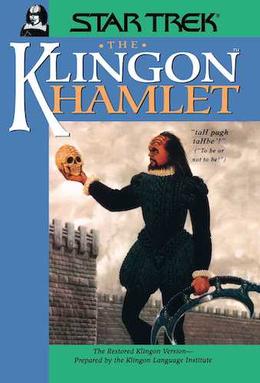
To me, it is like the line from Star Trek VI, The Undiscovered Country, “You have not experienced Shakespeare until you have read him in the original Klingon.”
Which resulted, eventually, in the real book shown here! But I digress…
0-671-03578-9 (reprint)
The film begins with a brief and mysterious scene in which somebody finds a dead body among the marshes of a principality called Ratnagarh. The film revolves around events in the state of Ratnagarh. After the murder of King Chandrakanta, Dr. Palit (Kamal Mitra) asks for help from Detective Smarajit Sen (Shisir Batabyal), as a family friend.
Dr Palit tells Sen and Sanyal about the death, and claims that it is murder. This is borne out by a sergeant who has just arrived, bearing a letter from Ratnagarh. Dr Palit says that the dead man was Chandrakant, the raja of Ratnagarh, a bachelor. His family has had a long history of debauchery and cruelty (Chandrakant, though, comes across as relatively blameless). The debauchery came to a head four generations back, with a certain raja who took the idea of wine, women and song a little too far…
We are shown a brief flashback in which the drunken raja is summoned away from a dance he’s watching, by a minion who escorts the raja upstairs. Here a young woman – obviously kidnapped and imprisoned – awaits with terrified eyes. She retreats when the raja lurches, leering all the while, towards her. As she backs off, her hand touches a tabletop, on which lies a sheathed dagger (very careless of the raja’s minions). The woman shows considerable presence of mind: she whips out the dagger and stabs the raja dead. By the time his servant comes running, she’s raced for the balcony at the far end and jumped off it, laughing manically.
There has since been a local legend that the marshlands near the raja’s palace are inhabited by a female ghost, who lures people to their deaths. These are the very marshlands where Chandrakant was found dead… and with strange, outsize footprints beside his corpse. Dr Palit fears that Chandrakant’s heir, a nephew named Surjokant, who is coming to Kolkata from abroad, is in danger too.
The atmosphere is dark. As are most of the scenes, literally:
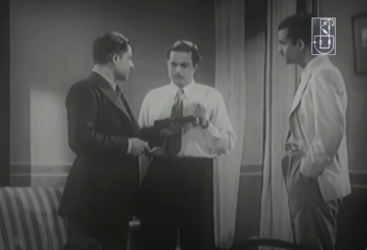
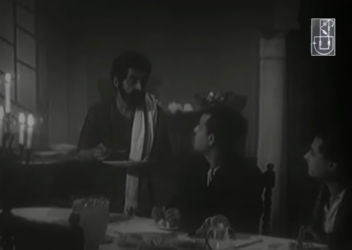


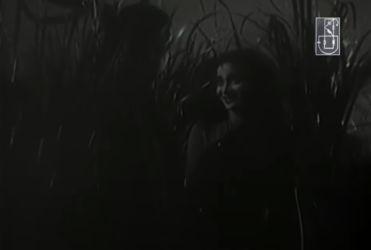
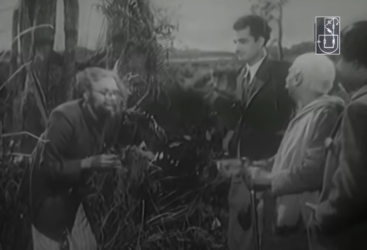
Ratnagarh seems to crawl with mysterious people, and odd happenings. In the palace itself, the servant Lokkhon roams about the palace at night, lantern in hand, shining it from a window into the marshlands, from where comes an answering glimmer of a light. At night, too, both Surjokant and Bimal hear a woman sobbing piteously somewhere in the palace; but Lokkhon completely denies anything of the sort. Ring any bells?
Out in the marshland, Surjokant sees a strange woman flitting about and singing songs. She (Manju Dey) is named Manjushree, but who she is, where she came from, or why she wanders through the marshes singing her songs of woe is a mystery. When she eventually comes face to face with Surjokant, she looks about her fearfully, as if checking to see if there’s anybody about, and then she tells him to go, to run away, to leave this place.
There’s also the somewhat scatter-brained botanist, Professor Anandaram Gupta (Bikash Roy), whom Sanjeeb introduces to Surjokant in the marshes, where the professor is pottering about, looking for botanical specimens. The professor seems rather absent-minded, babbling on about his beloved specimens, and how all species are caught in the struggle for survival…
It is, in fact, a fairly faithful adaptation, barring the fact that the hound is missing from this narrative and is replaced by a spooky woman.
The similarities are there, all clear and present. The canny detective and his somewhat inept sidekick are here; there’s the doctor who summons them; a family history that is marred by a blot of debauchery and ruthlessness, with a curse tied to it as well as to the marshes surrounding the area. There’s the local absent-minded professor character who trudges through the marshes in search of specimens, and a very suspicious servant who shines lights out of windows onto the marshes, while a woman sobs in the depths of the house.
1955: Der Hund von Baskerville
My Ratings (0/-/-/-/-/-)
| Availability | 0/10 |
| Technical Quality | ?/10 |
| Plot Accuracy | ?/10 |
| Characters | ?/10 |
| Hound | ?/10 |
| Watchability | ?/10 |
TV Movie made in Germany. Not yet located a copy.
1958: The Hound of the Baskervilles (Hammer)
My Ratings (7/8/4/4/3/5)
| Availability | 7/10 |
| Technical Quality | 8/10 |
| Plot Accuracy | 4/10 |
| Characters | 4/10 |
| Hound | 3/10 |
| Watchability | 5/10 |
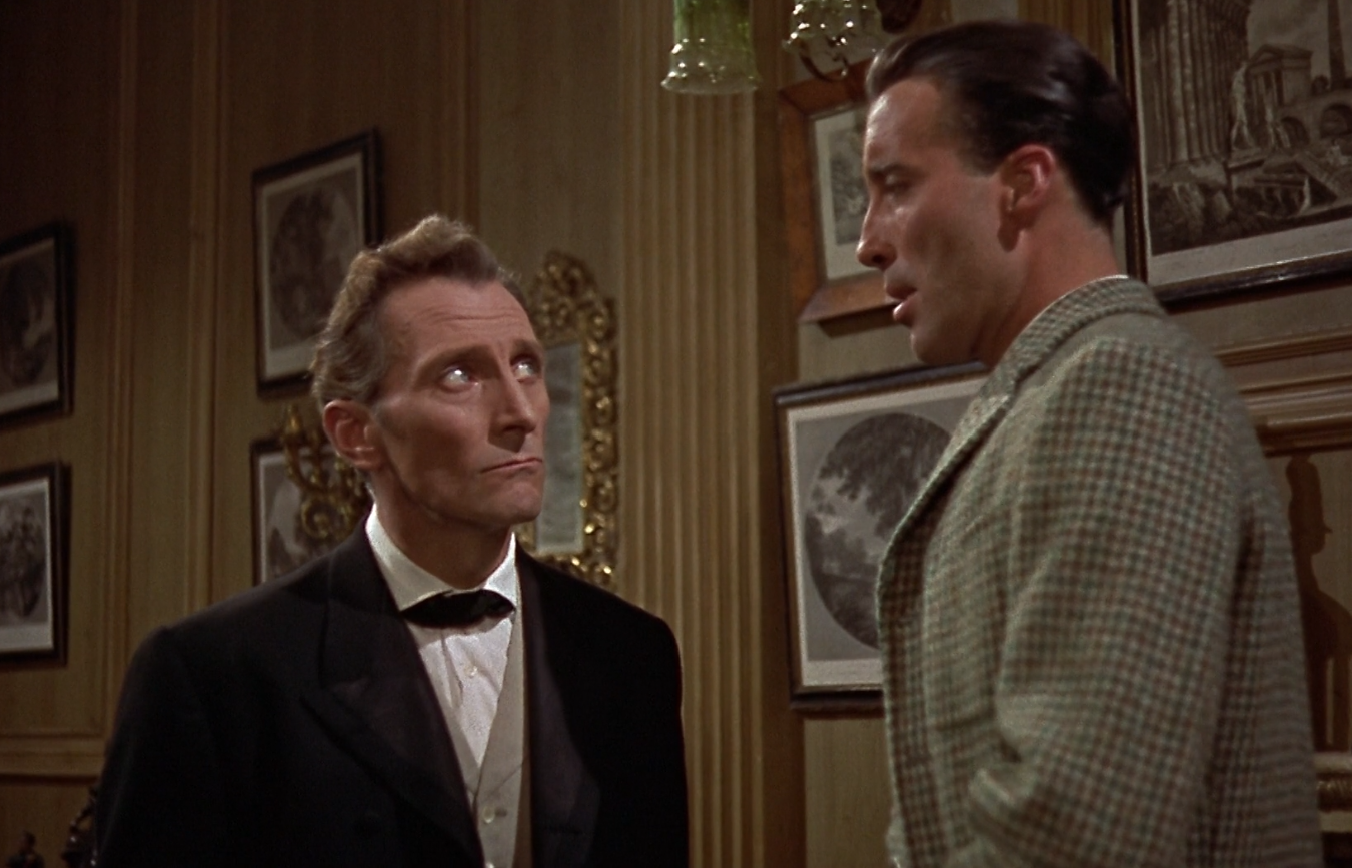

A Hammer Film in glorious technicolour – first adaptation in colour – starring Peter Cushing as Holmes, Christopher Lee as Sir Henry, and John Le Mesurier as Barrymore. This is a pretty good cast!
There are many deviations from the original plot, and unnecessarily so. Again, Lestrade is written out, and the climactic scene is somewhat risible viewed now. Interestingly, the Conan Doyle Estate did not approve of the changes made, but I suppose they were in-line with the Hammer Horror approach generally. Worth a viewing.
1962: बीस साल बाद – Bees Saal Baad – Twenty years later
My Ratings (2/-/-/-/-/-) – Update pending
| Availability | 2/10 (challenging to obtain) |
| Technical Quality | ?/10 |
| Plot Accuracy | ?/10 |
| Characters | ?/10 |
| Hound | ?/10 |
| Watchability | ?/10 |
Hindi adaptation based on निशाचरी बिभीषिका – Nishaacharee Bibheeshika – Nocturnal Horror, a Bengali adaptation of the Hound of the baskervilles story.
BREAKING! Just acquired 2025-11-07, along with some matching English subtitles. I shall update this section over the next week or two. It’s 2h24, so quite a long one to watch, digest, and review.
1968: The Hound of the Baskervilles
My Ratings – (5/6/8/7/4/5)
| Availability | 5/10 (tricky to obtain a decent copy) |
| Technical Quality | 6/10 (variable) |
| Plot Accuracy | 8/10 |
| Characters | 7/10 |
| Hound | 4/10 |
| Watchability | 5/10 |
Peter Cushing returns for another go! With Nigel Stock as Watson. This has arrived in two parts, having been made by the BBC as part of a series shown between 1964 & 1968. As with many BBC productions of the era, the budget was, well, shall we say “limited”. Some scenes are filmed, some clearly videotaped, resulting in a variation in quality which can be quite disconcerting. Peter Cushing only played Holmes for the second series and for this two-parter in 1968, replacing Douglas Wilmer from the first series (who refused the second series because of the shoddy scripts!)
The Hound of the Baskervilles could not form part of the first series because the Hammer rights did not expire until 1965.
The one claim to fame for this adaptation is that it was the first actually filmed on Dartmoor. Visually, however, it’s not terribly impressive save for the parade of extraordinary moustaches rivalling even that of General Sir Anthony Cecil Hogmanay Melchett from Blackadder Goes Forth.
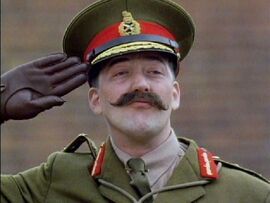
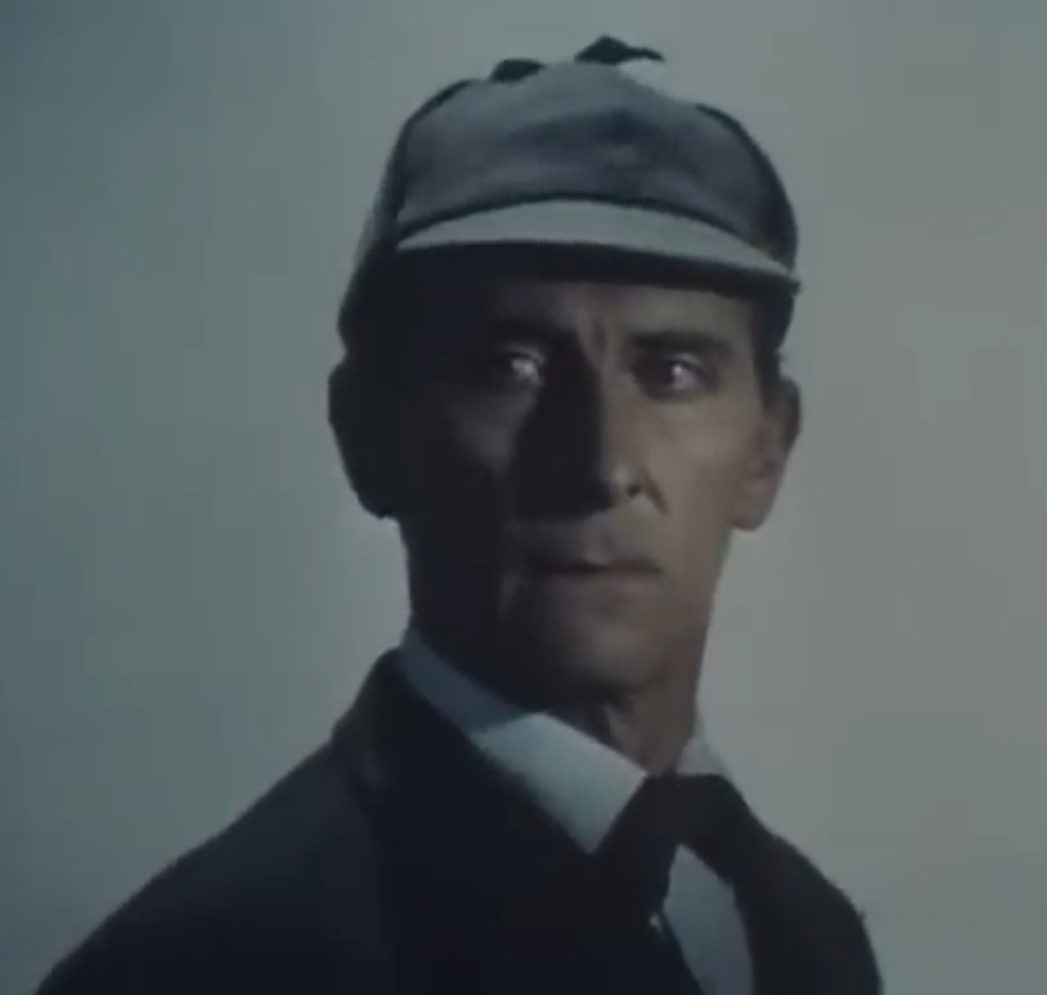
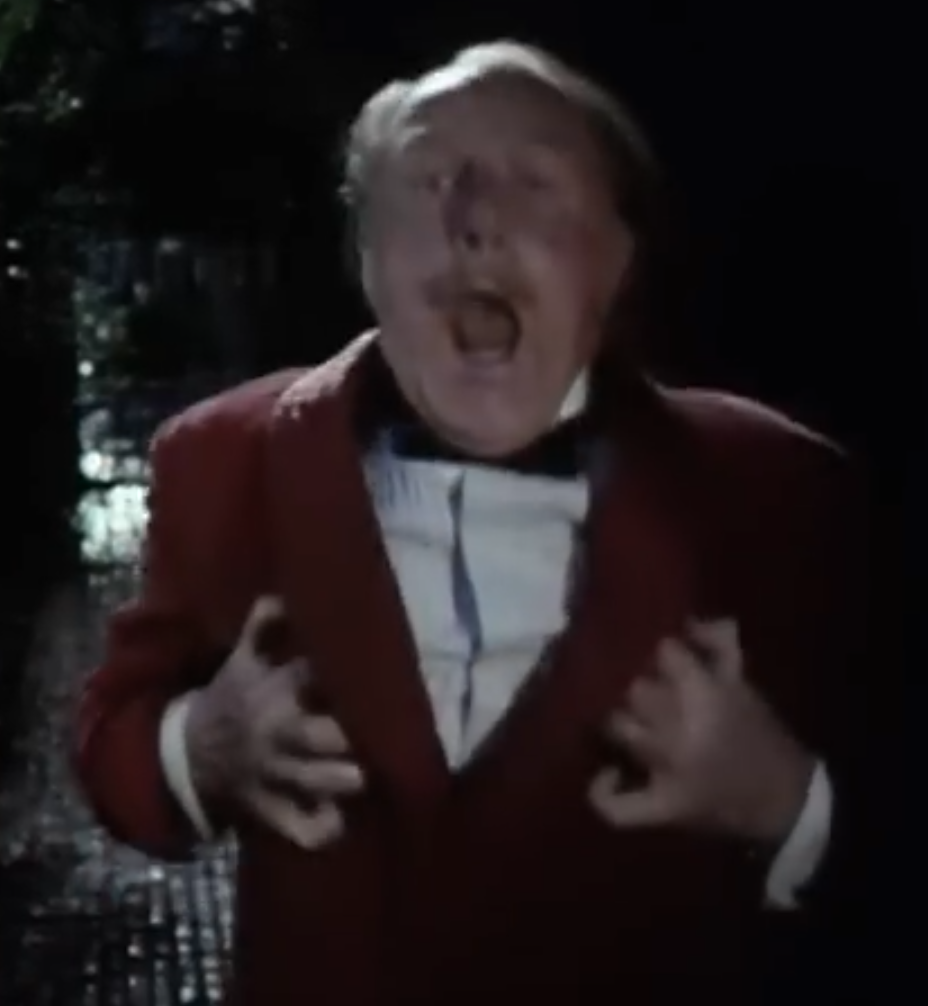
Mr Holmes, Mr Holmes, will you do the Fandango?
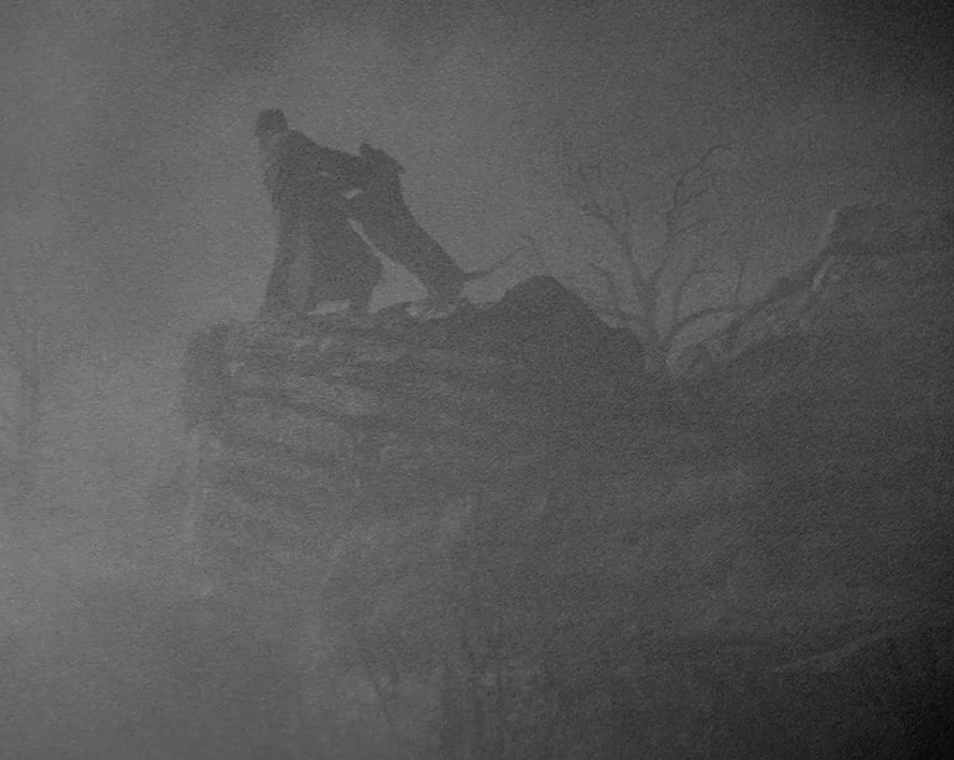
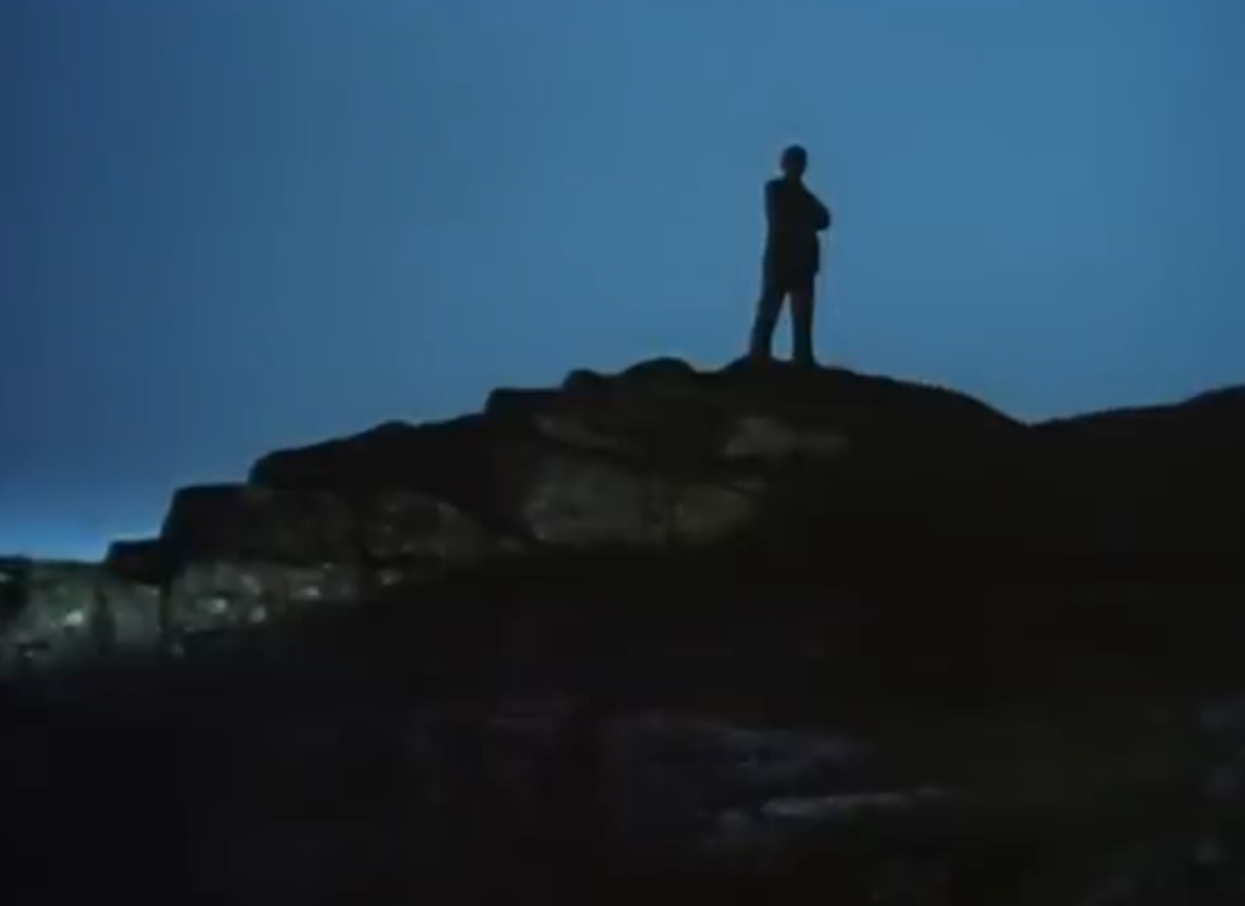
There are occasional great shots, such as this: the all-important moment when Holmes, whilst observing Seldon’s activities, carelessly allows himself to be silhouetted against the sky, atop a tor, and is spotted by Watson. Only to vanish seconds later when he realises. A great shot, which several adaptations either miss out or do badly.
“Stapleton is…. a Baskerville!”
Another classic scene, again, well done in this adaptation.
Little gems, but sadly not enough to make this a great adaptation.
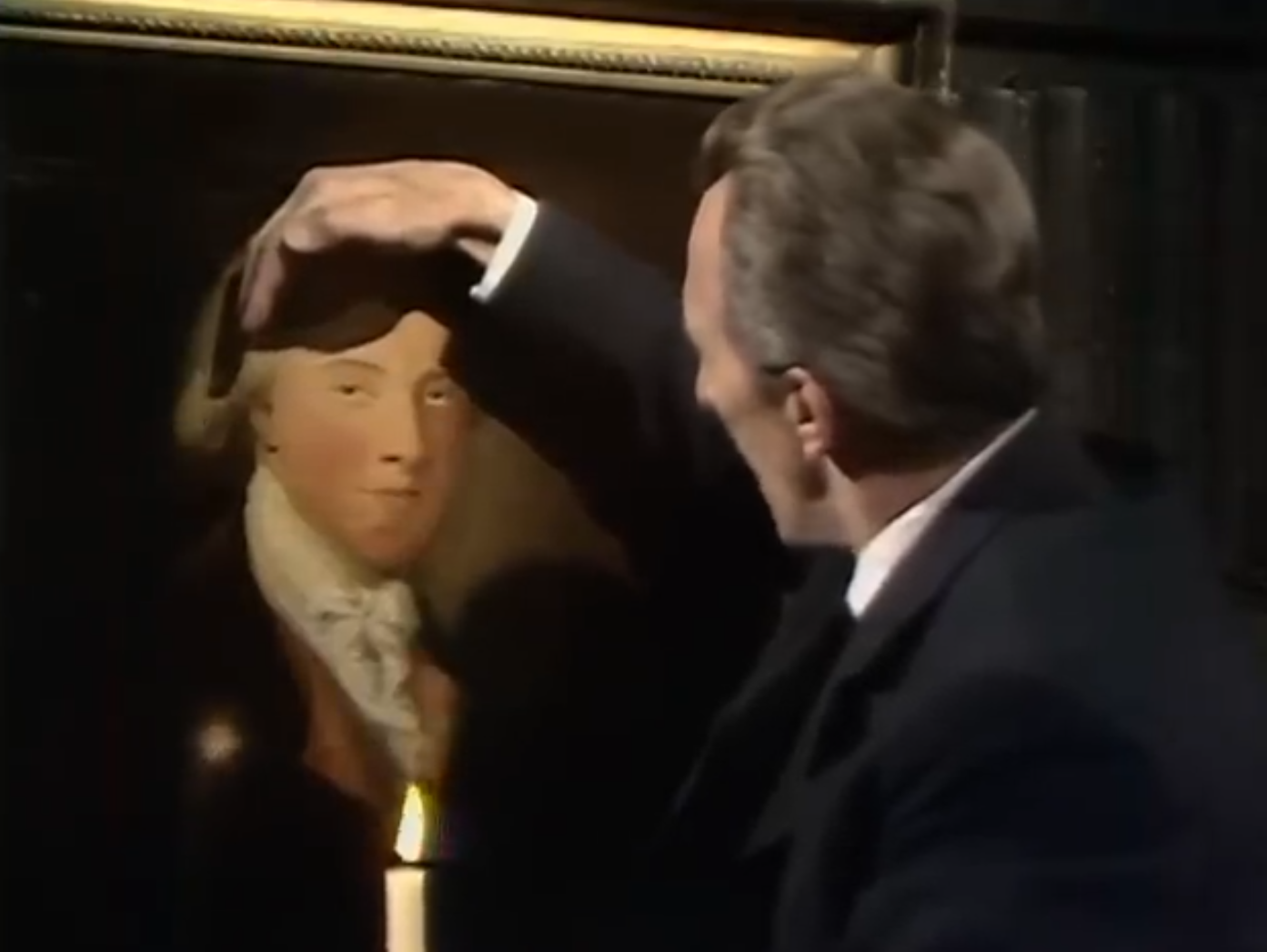
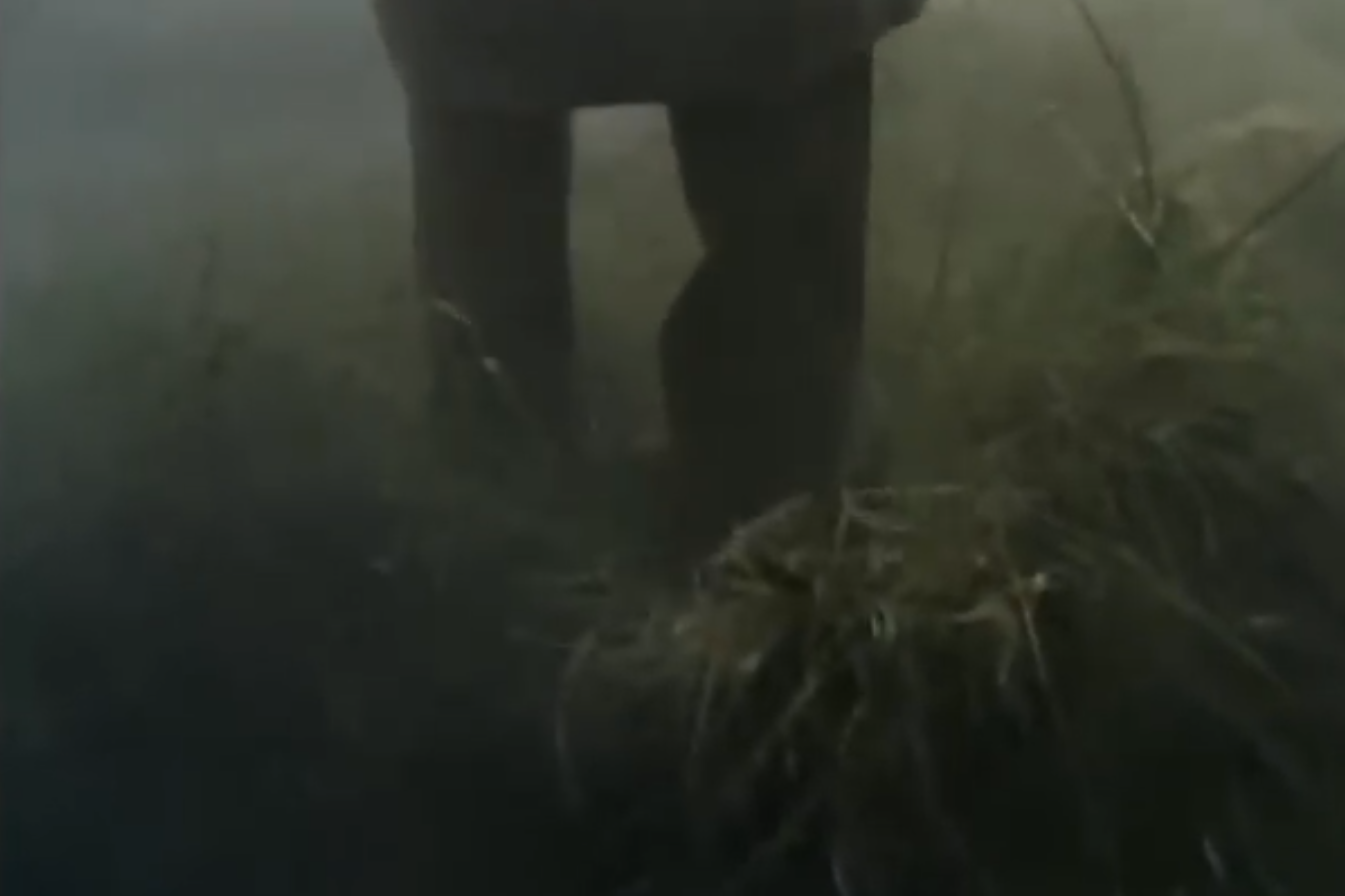
Then there is the fog which almost ruins Holmes cunning plans.
A proper pea-souper right there on Dartmoor.
Meanwhile, Stapleton’s wife is tied up…


It’s the age-old problem with these adaptations. The dog thinks it is all a game, and is clearly having great fun playing. The cameraman and director and sound editor all do their best, but really it’s unconvincing to a modern audience.
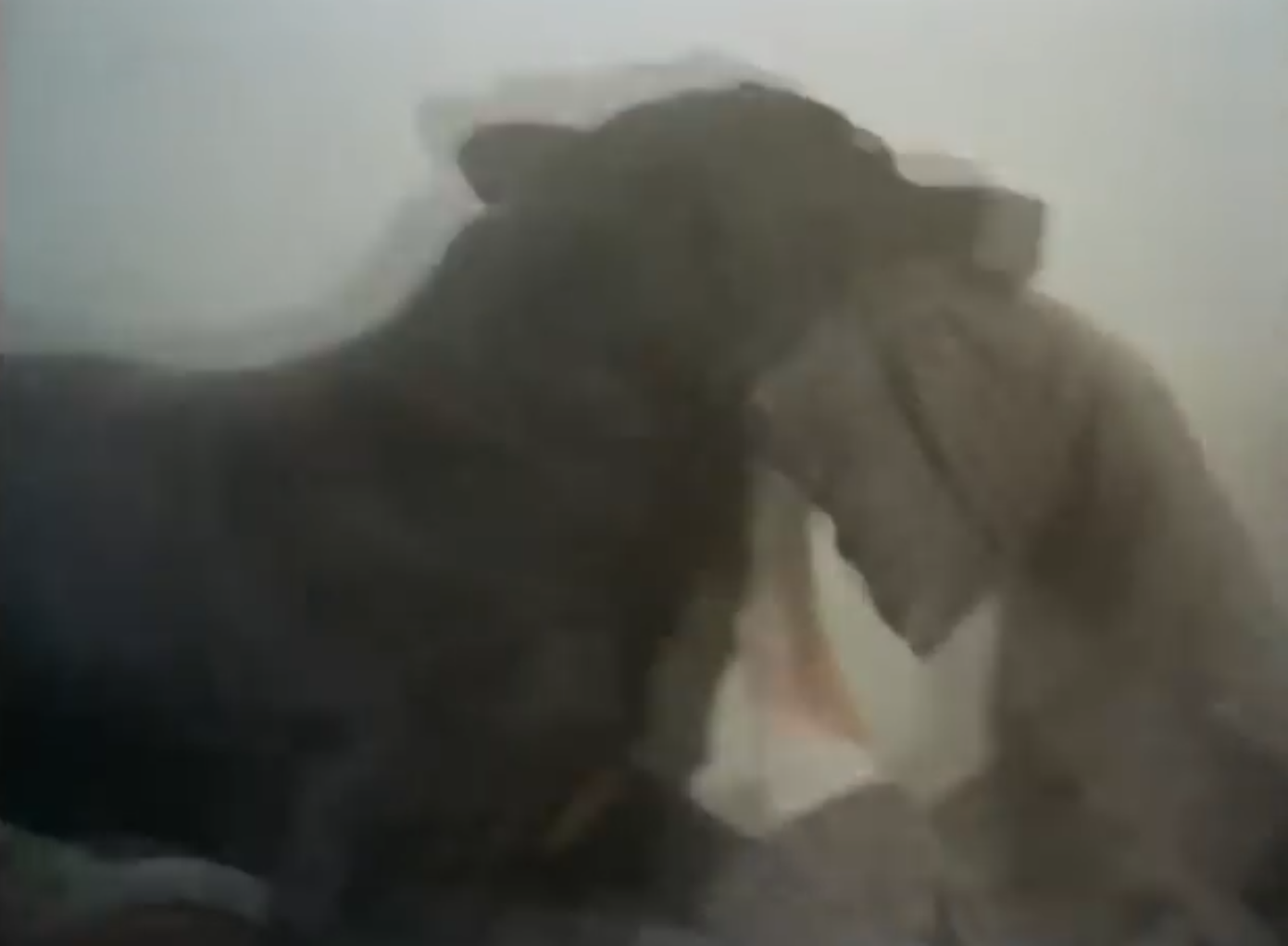
Stapleton gurgles and screams as the Great Grimpen Mire sucks him down. And that’s it – end credits, nothing whatsoever follows.
1968: L’ultimo dei Baskerville – The Last of the Baskervilles
My Ratings (2/-/-/-/-/-)
| Availability | 2/10 (maybe, in Italy) |
| Technical Quality | ?/10 |
| Plot Accuracy | ?/10 |
| Characters | ?/10 |
| Hound | ?/10 |
| Watchability | ?/10 |
Attempting to obtain from Italy.
1971: Собака Баскервилей – Sobaka Baskerviley – The Hound of the Baskervilles
My Ratings (0/-/-/-/-/-)
| Availability | 0/10 (unobtainable?) |
| Technical Quality | ?/10 |
| Plot Accuracy | ?/10 |
| Characters | ?/10 |
| Hound | ?/10 |
| Watchability | ?/10 |
From the Soviet Union. I have not located a copy yet.
1972: The Hound of the Baskervilles
My Ratings (1/-/-/-/-/-)
| Availability | 1/10 (unobtainable?) |
| Technical Quality | ?/10 |
| Plot Accuracy | ?/10 |
| Characters | ?/10 |
| Hound | ?/10 |
| Watchability | ?/10 |
American version. Not yet located. And with a due sense of dread… I’m not entirely sure I want to….
1978: The Hound of the Baskervilles
My Ratings (6/8/5/5/-1/3)
| Availability | 6/10 |
| Technical Quality | 8/10 |
| Plot Accuracy | 5/10 |
| Characters | 5/10 |
| Hound | -1/10 |
| Watchability | 3/10 |


A comedy spoof version. Peter Cook as Holmes, Dudley Moore as Watson. Also featuring Terry-Thomas, Kenneth Williams, and Denholm Elliott. And also Joan Greenwood (Sibella in Kind Hearts and Coronets), Max Wall, Roy Kinnear, Penelope Keith, Prunella Scales (Sybil Fawlty in Fawlty Towers), Henry Woolf, and Spike Milligan. That’s quite the cast! Shame about the actual script.
What can I say. There’s lots of slapstick and low-brow humour of sorts.
The hound turns out to be a friendly little dog, rendering the entire enterprise pointless.
Summary: AVOID AT ALL COSTS!
1981: Собака Баскервилей – Sobaka Baskerviley – The Hound of the Baskervilles
My Ratings (5/8/8/8/6/5)
| Availability | 5/10 (tricky to find) |
| Technical Quality | 8/10 |
| Plot Accuracy | 8/10 |
| Characters | 8/10 |
| Hound | 6/10 |
| Watchability | 5/10 |
A Soviet production which I have managed to obtain. Along with a pretty good subtitle set, because I speak more Ukrainian than russian.
Starring Vasily Livanov in what became the greatest success of his acting career: the role of Sherlock Holmes in The Hound of the Baskervilles and other Holmes TV series directed by Igor Maslennikov. This is a made-for TV two-parter, totaling about 2h30m. Livanov has an Honorary MBE which is long overdue for stripping from him given his outspoken support for putin and the illegal russian invasion of Ukraine.
Watson is played by the late Vitaly Mefodievich Solomin.
The director, Igor Fyodorovich Maslennikov, has taken pride in accurately following the original source text. He published his book of memoirs under the title The Baker Street in Petrogradskaya. Although the street used in this production for Baker Street was in Riga, Latvia!
As a little illustration, the phrenology references from the original remain intact.
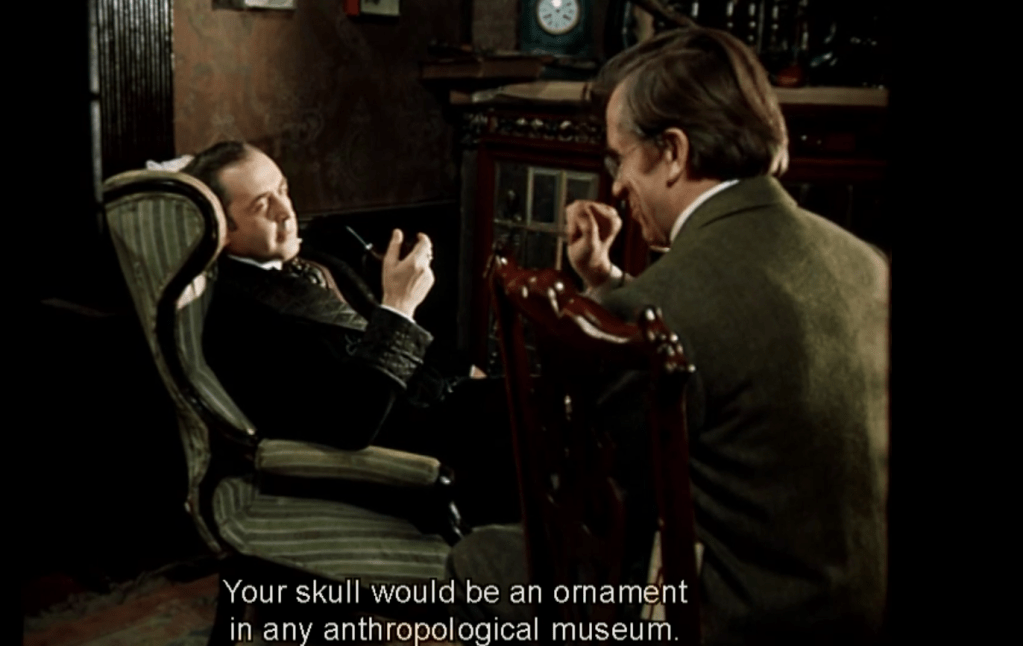
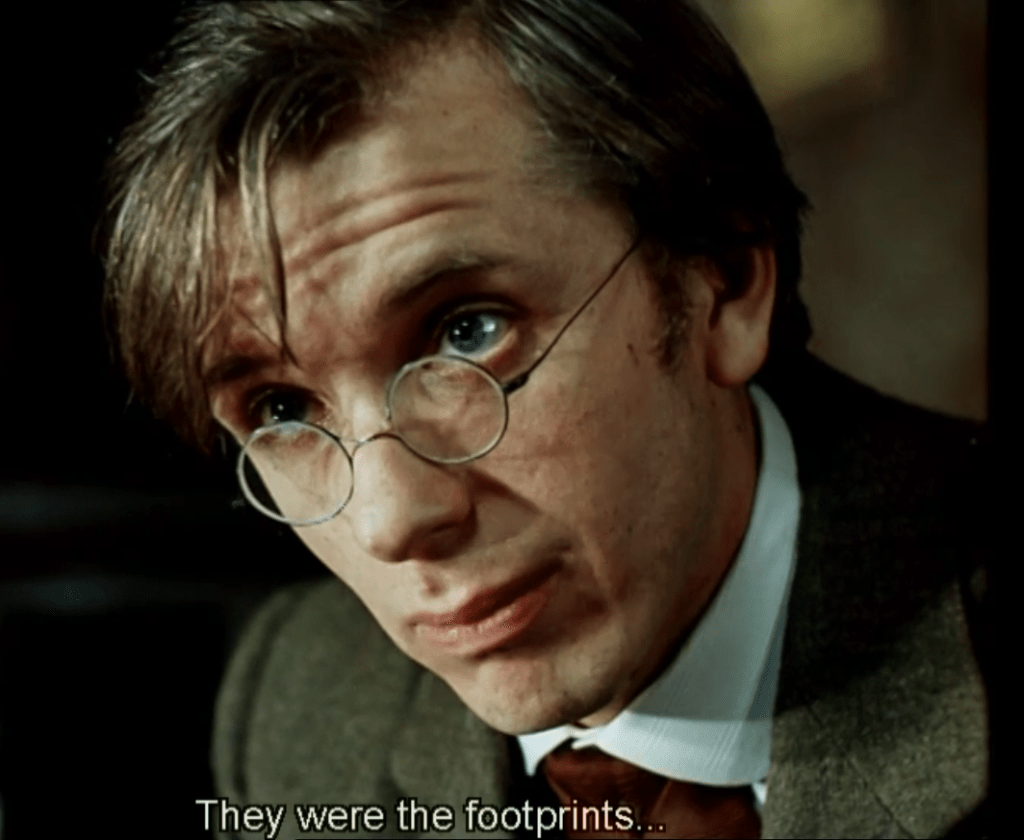
There are certain critical lines which one has to be careful with in translation. Maybe the subtitle translator knew the material, but this critical line comes out right at least…
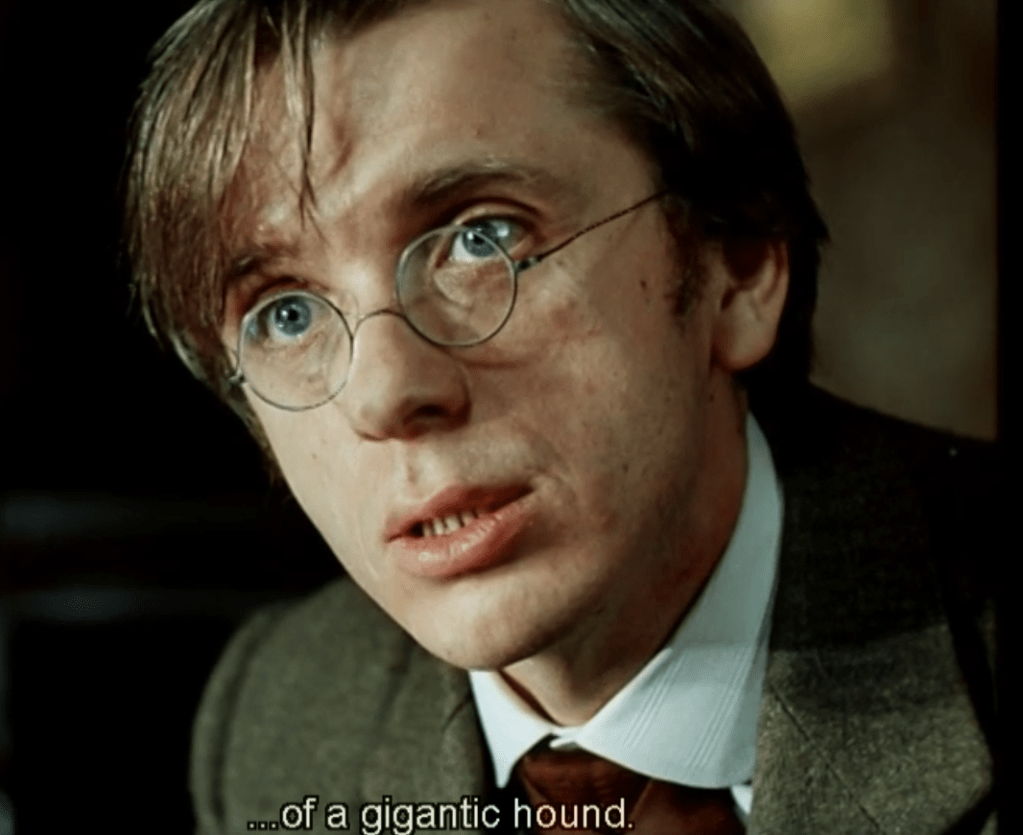
For once, we get a properly glowing hound. But, as with many of these productions, it’s difficult to get the hound to behave like the character expectation; watch for the wagging tails for example! In this case, the director tries to make the cute doggy look vicious by shoving the camera so far it its face that we can make out what it had for breakfast…


The end of the film loses its way. And the plot, too, frankly. I can’t really recommend it.
1982: The Hound of the Baskervilles
My Ratings (4/8/8/7/4/7)
| Availability | 4/10 (only available from Germany!) |
| Technical Quality | 8/10 |
| Plot Accuracy | 8/10 |
| Characters | 7/10 |
| Hound | 4/10 |
| Watchability | 7/10 |
It’s a bit of a mystery, this adaptation. (See what I did there?)
Tom Baker (one of the best Dr Who characters ever) play Holmes, Terence Rigby (Roy Bland “Soldier” in the 1979 BBC Tinker, Tailor, Soldier, Spy adaptation) plays Watson. Sadly, both of these actors seem a little like fish out of water. Tom Baker doesn’t get to bring his usual level of insanity to the part, and Terence Rigby doesn’t seem entirely comfortable with his part either.
Having said all that, this is a solid adaptation, but bizarrely difficult to obtain.
It was made by the BBC but you can only acquire it in the German DVD format Der Hund von Baskerville on sale in Germany.
The primary soundtrack is dubbed into German. Luckily, the original English soundtrack is available too as an alternate on the DVD.


Silly errors mar this adaptation. The warning letter correctly has the word MOOR hand written. But the other words are not single words cut from a newpaper, rather they are individual letters – making the explanation given for the hand written word totally nonsensical.


Some images of a dog trying to look like a glowing Hound….
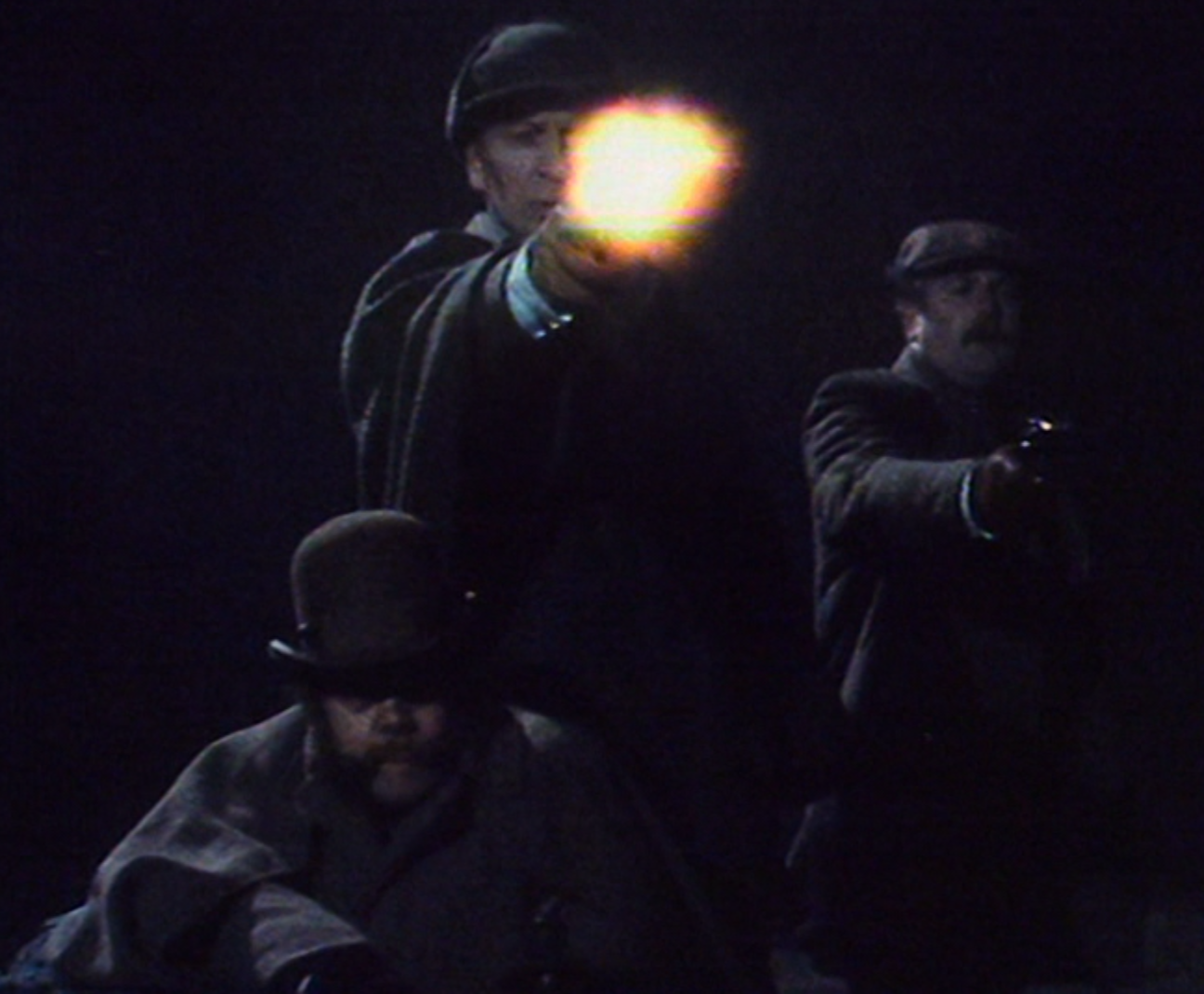

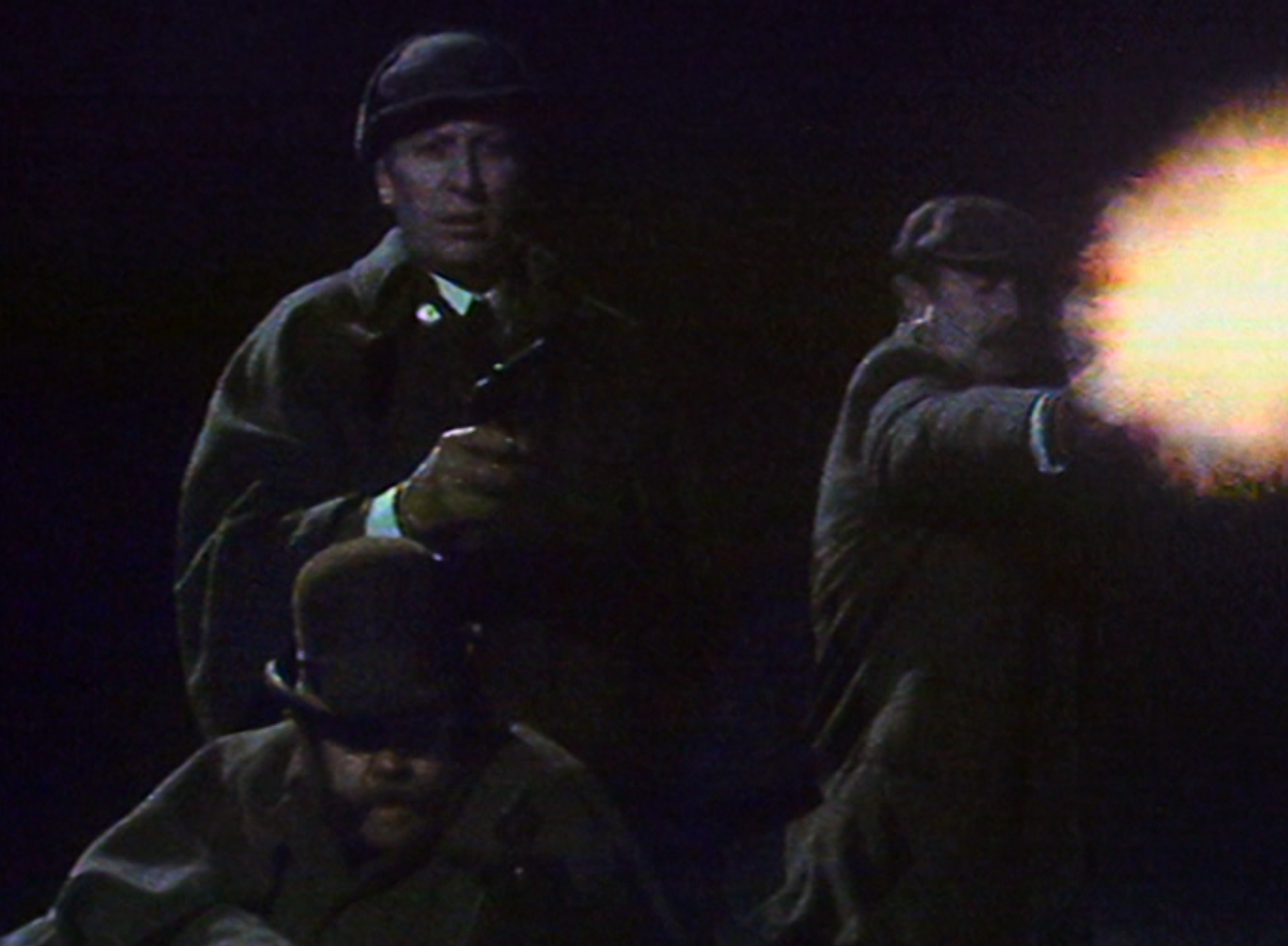
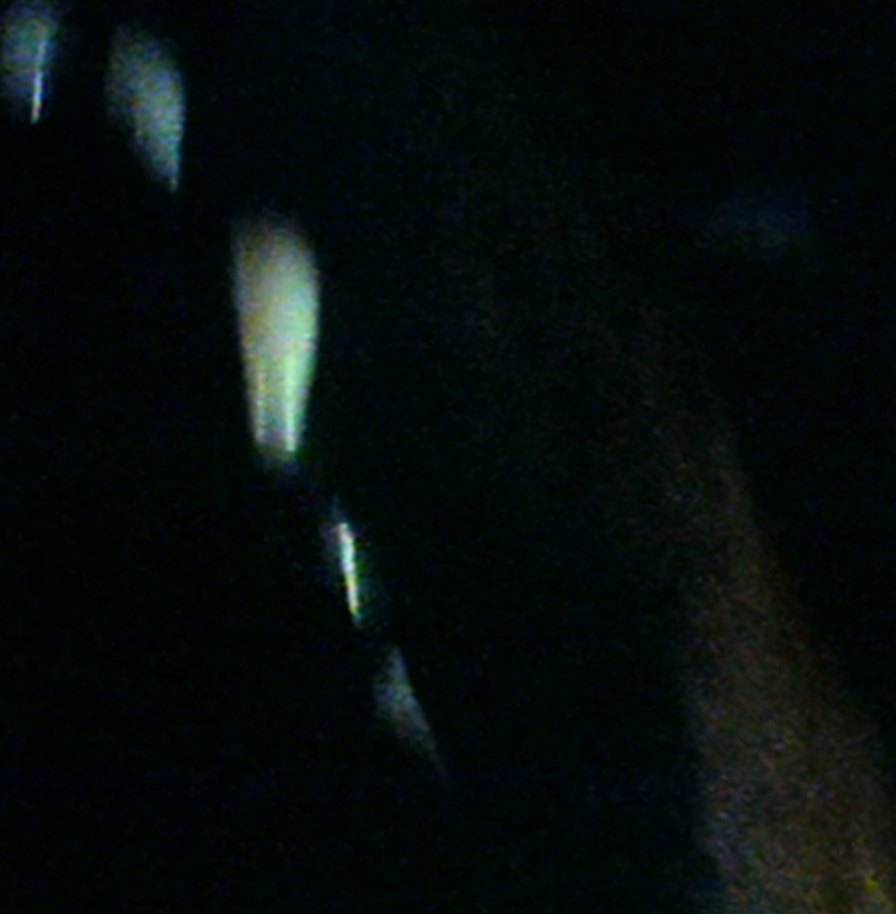


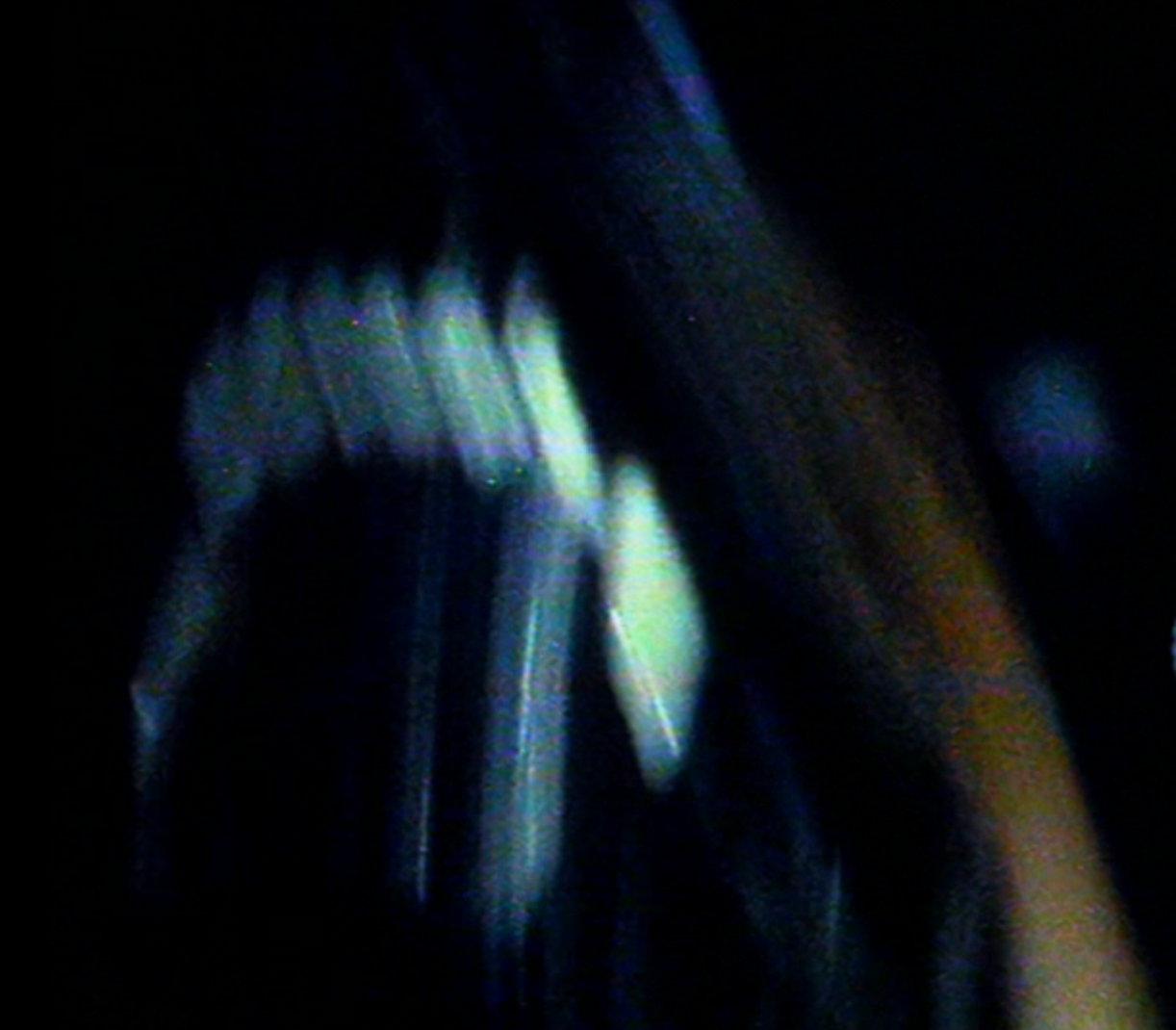


1983: The Hound of the Baskervilles
My Ratings (3/8/1/6/7/3)
| Availability | 3/10 (DVD and Blu-Ray available second hand only) |
| Technical Quality | 8/10 |
| Plot Accuracy | 1/10 (a veritable travesty) |
| Characters | 6/10 |
| Hound | 7/10 |
| Watchability | 3/10 |
What of this Ian Richardson (Holmes) (House of Cards [original], Tinker Tailor Soldier Spy (1979) and many others) and Donald Churchill (Watson) adaptation? Denholm Elliott (Dr Mortimer) (Trading Places, A Bridge Too Far, Raiders of the Lost Ark & Indiana Jones and the Last Crusade), Glynis Barber (Soolin from Blake’s 7!), Brian Blessed (just about everything loud, from Flash Gordon to Blackadder), Martin Shaw (Sir Henry) (The Professionals, Judge John Deed, Inspector George Gently), Connie Booth (Polly in Fawlty Towers)…
Why have we not seen more of this star-studded cast adaptation? Has it been overlooked? You might very well think that, I couldn’t possibly comment.
Sorry, couldn’t resist that. Comment I shall!
Firstly, it is not easy to acquire. Both the Blu-Ray and DVD versions are only available second hand, so prices and availability are variable.
Ian Richardson feels almost natural as Holmes. No 4th Wall antics here, á la House of Cards. An early scene, featuring the wicked Hugo Baskerville, is a suprisingly explicit (for its time) rape scene, culminating in the death-by-Hound of Hugo.
It is not without fault, however. 221B Baker Street has an entranceway somewhat at odds with the B – far too grandiose. The walking-stick gun and assassination attempt are both somewhat clumsy additions to the plot and more reminiscent of the 1950s/1960s than misty Victorian London. The sudden arrival of Lestrade who just happens to be looking for Seldon the escaped convict feels unlikely and unnecessary. Brian Blessed turns up basically as himself, shouty as usual.
There is some good chemistry between Holmes and Watson, and I must say I could enjoy watching more of Ian Richardson as Holmes.
Finally, an adaptation which gets the warning note fully correct. Details like this matter – it’s not so hard to get these things right, surely? Words cut from The Times, the word MOOR not appearing thus written in by hand.

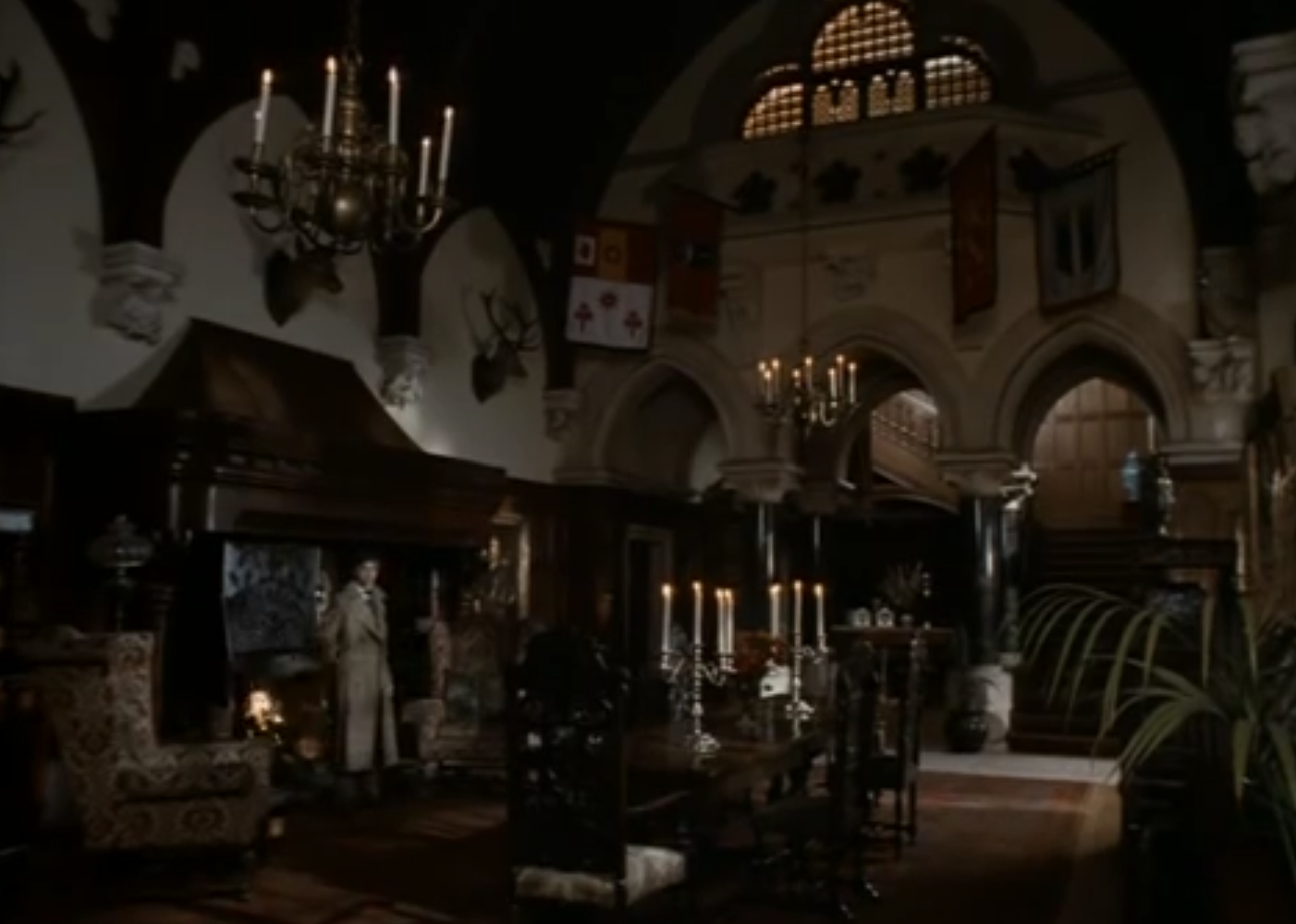
As with any adaptation made in the UK, there are no shortage of suitable venues to appear as Baskervile Hall, and thus no excuse for some of the pokey dark miserley looking locations chosen for some. This one is eminently suitable.
Dr Mortimer’s curly-haired spaniel meets the same grizzley end as in the original text – uniquely, I think, amongst these adaptations. Then right after this nice touch, the remains of the letter from “L L” are clumsily introduced early and not as a burned fragment just readable before it disintegrates, but as a partially unburned page. The explanation for this is weak, and Barrymore should have been sacked for failing to clear out the fireplace for so long! My Butler’s Butler was horrified at this laxity. In the original text, the letter is long gone but Barrymore saw the fragment before it crumbled and could read some of it, and tells Sir Henry in return for Sir Henry’s kindness with respect to Seldon. Quite an unnecessary change from the original. As is the shooting and winging of Seldon by Dr Watson – serves no purpose, and quite contrary to the original text.
The accidental silhouetting of Holmes on a tor on the moor as they attempt to catch Seldon is done in a novel fashion, but overlooks that from the point of view of Watson and Sir Henry, he would not be silhouetted but in shadow and therefore…. basically invisible. Oops, sloppy.

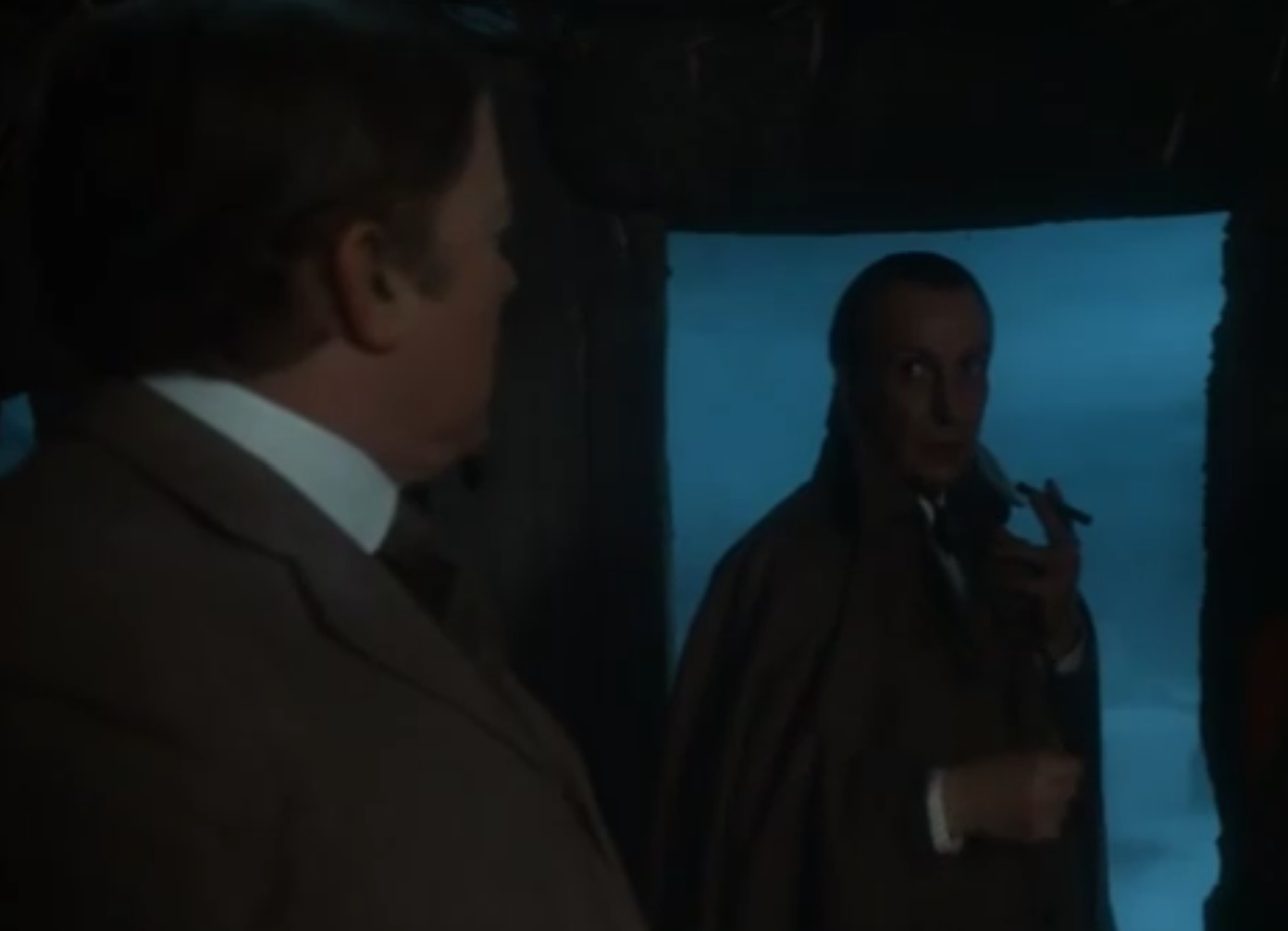
The Hound attacks and kills Seldon, attracted by the scent of Sir Henry on the old clothes, and this is quite dramatically filmed – complete with glowing Hound effect.

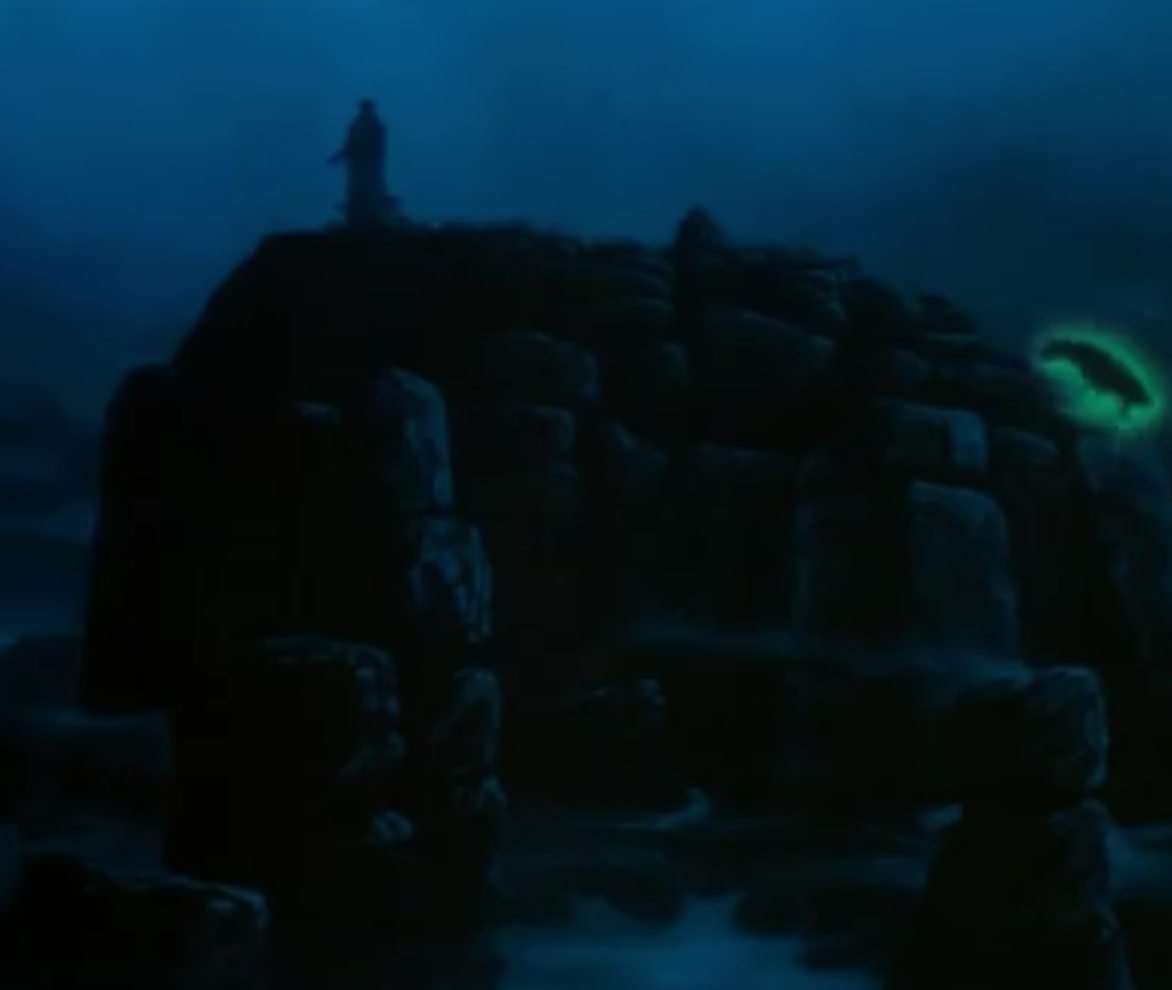


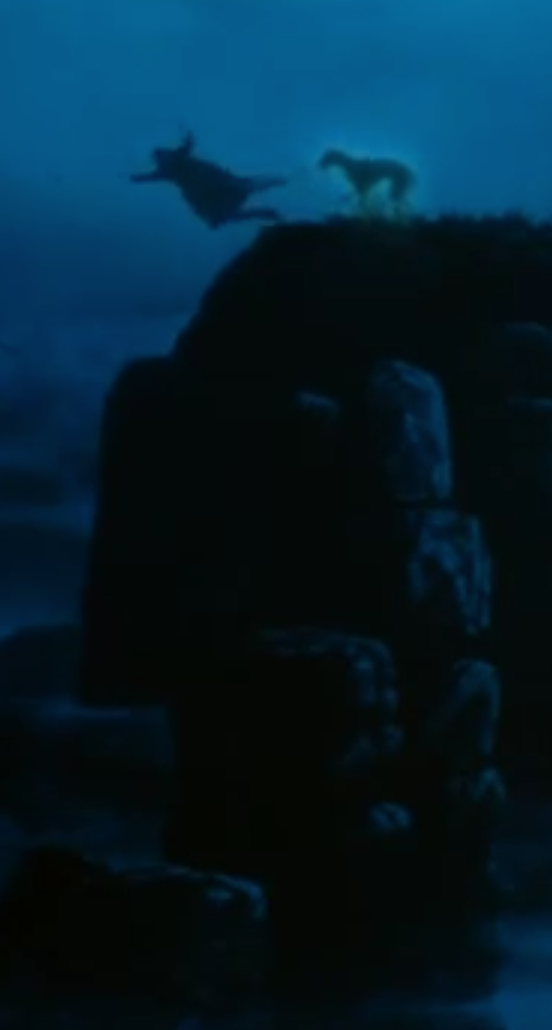
In the climactic scene, the Hound attacks Holmes dramatically and… wait, what?!?! Sorry, did the script writer get very confused, or just take leave of his senses? What arrogance to utterly undermine the entire plot like this. We’ve just seen Seldon killed because he smells like Sir Henry. And now both Holmes and Sir Henry are wandering around the moor and the Hound decides to attack Holmes?

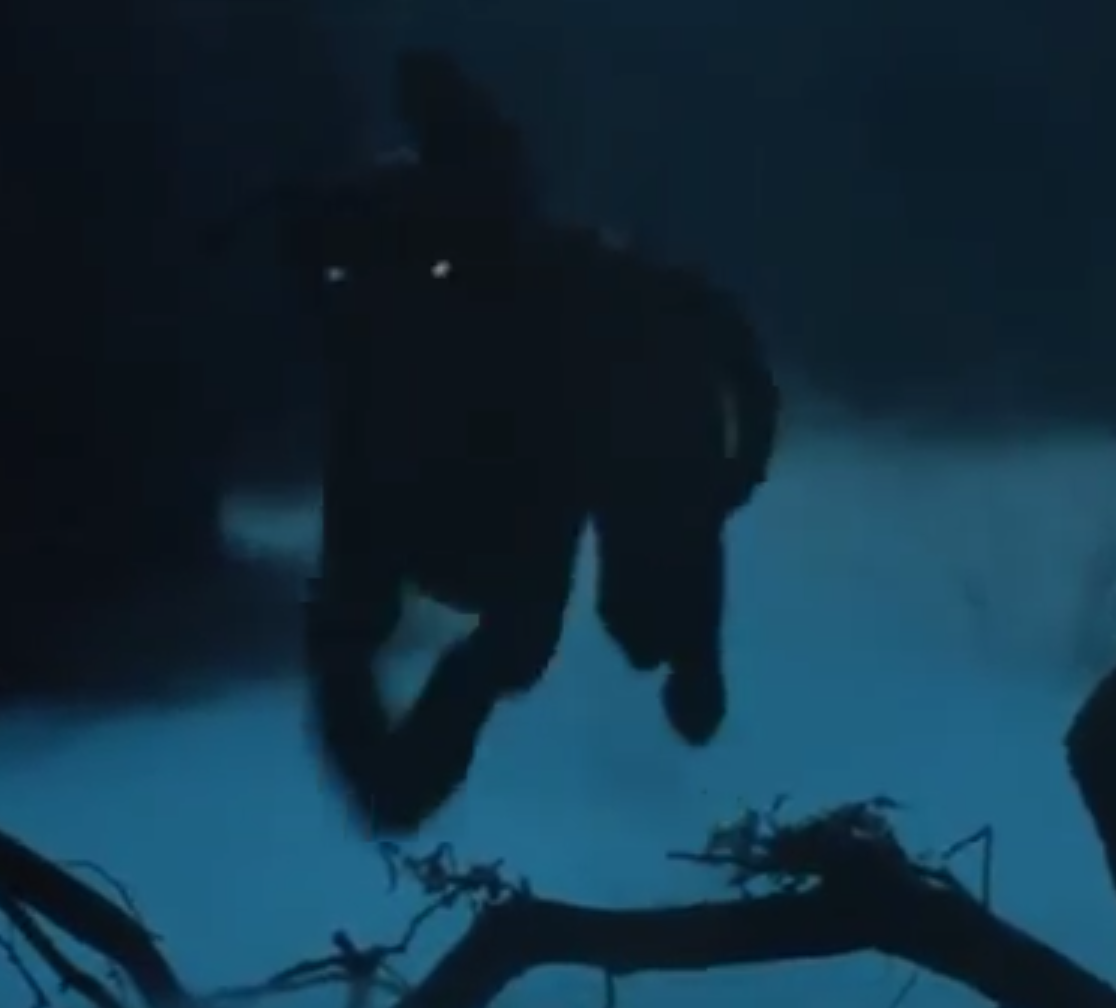
Well, I guess we finally know why this adaptation sank without a trace, just like Stapleton sinking into the great Grimpen Mire. Which he eventually does, screaming and gurgling noisily. But only after we are treated to a ridiculous scene which is almost a reverse Butch Cassidy and The Sundance Kid. Nuff said.
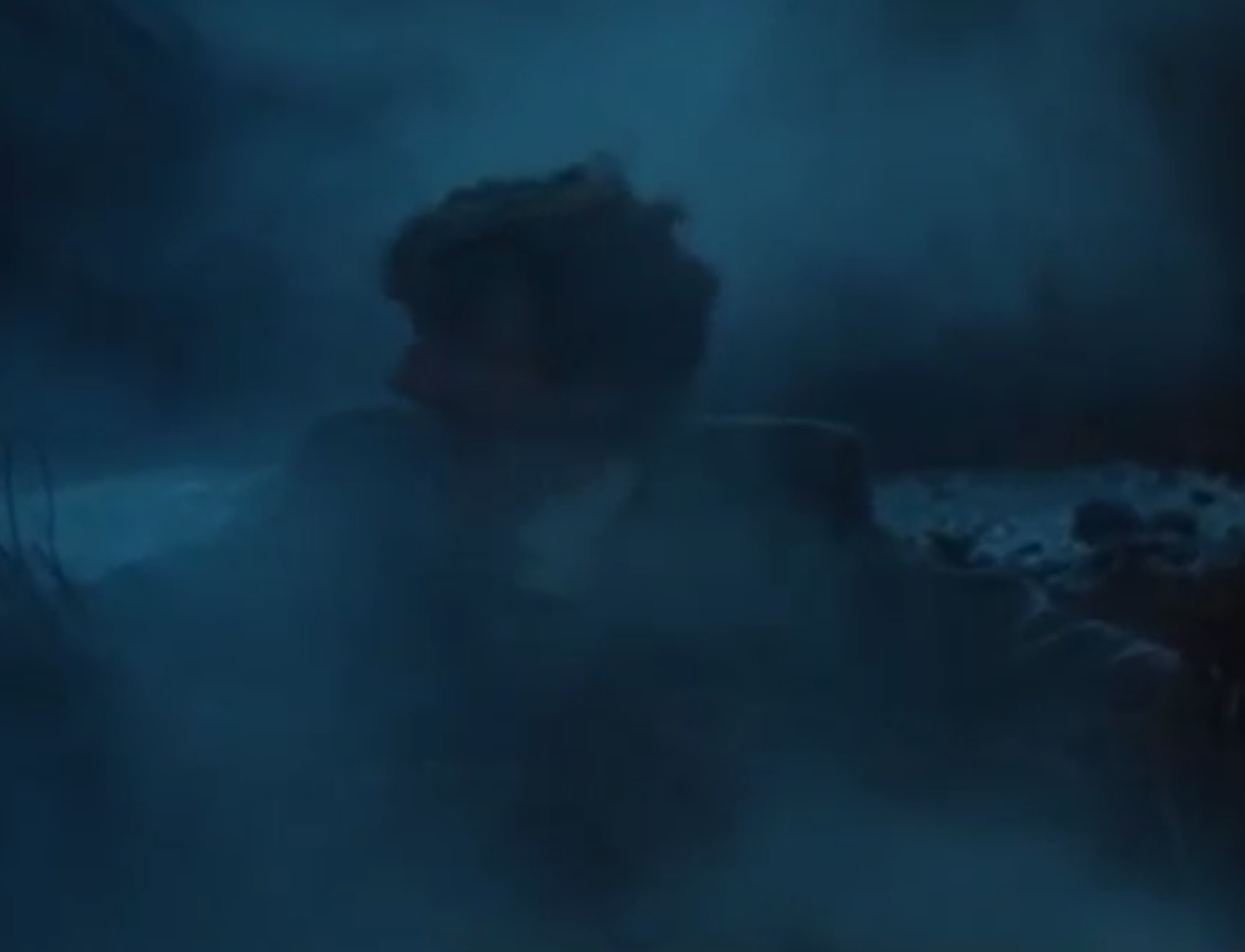
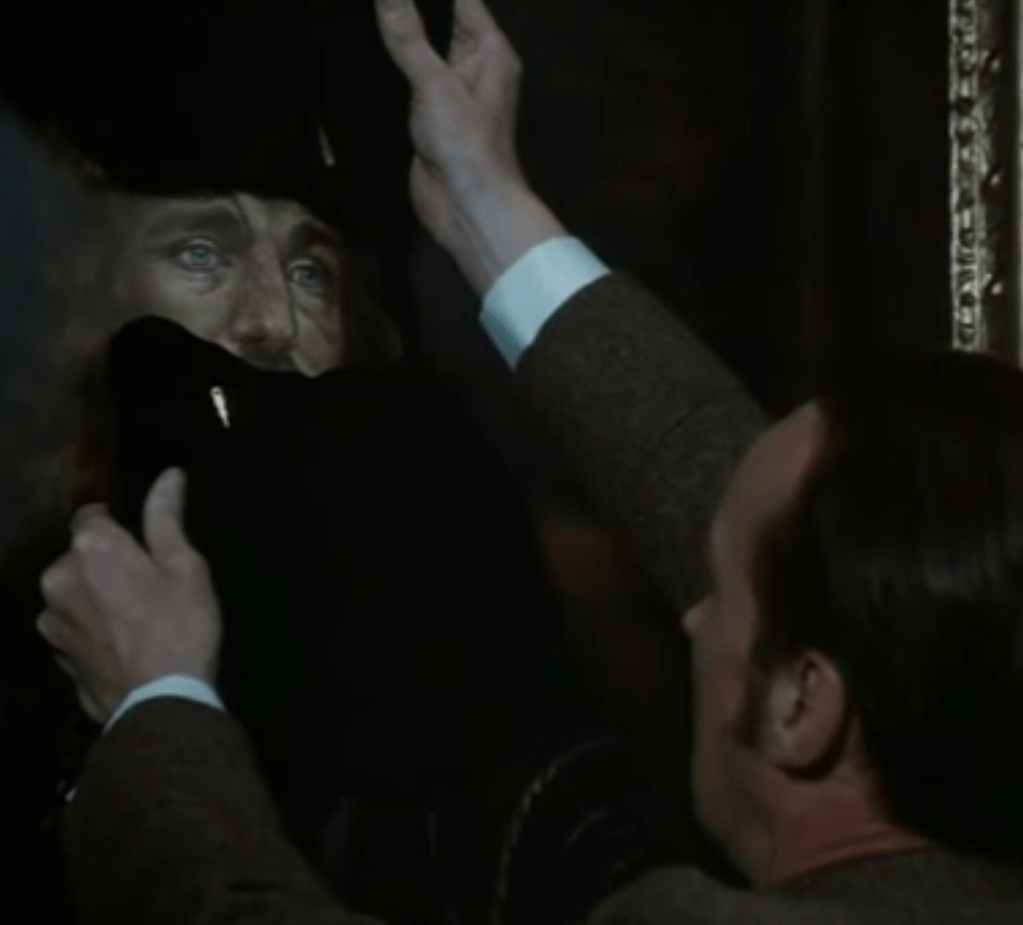
It is only after the end of the (completely mangled) plot that Stapleton’s heritage is revealed. Along with some other points of interest, presumably too boring to wind into the actual narrative itself. Here, they are introduced via the (again, utterly nonsensical and unnecessary) contrivance of a band of gypsies who roam the moor. Like anyone in their right mind would have stayed in that creepy location.
The sole saving grace of the last few minutes of the plot is the delight of seeing Glynis Barber once more around the time she was Soolin in Blake’s 7 (although seeing up-to-date photos of her makes me wonder if she has a Dorian Grey-like portrait in her attic).

Overall, an excellent cast badly let down by a terrible travesty of an adaptation.
Summary: AVOID
1983: Sherlock Holmes and the Baskerville Curse (cartoon)
My Ratings (7/7/6/4/7/4)
| Availability | 7/10 (located for me on YouTube by a reader!) |
| Technical Quality | 7/10 (Hanna-Barbera level animation) |
| Plot Accuracy | 6/10 (compressed in places) |
| Characters | 4/10 (poorly developed) |
| Hound | 7/10 (impressive at least) |
| Watchability | 4/10 (annoying sound track) |
A reader of my first version of this article kindly pointed me to this on YouTube.
Stars Peter O’Toole & Earle Cross as voices, and has a very annoying sound track which intrudes upon the voices in places for no good reason.
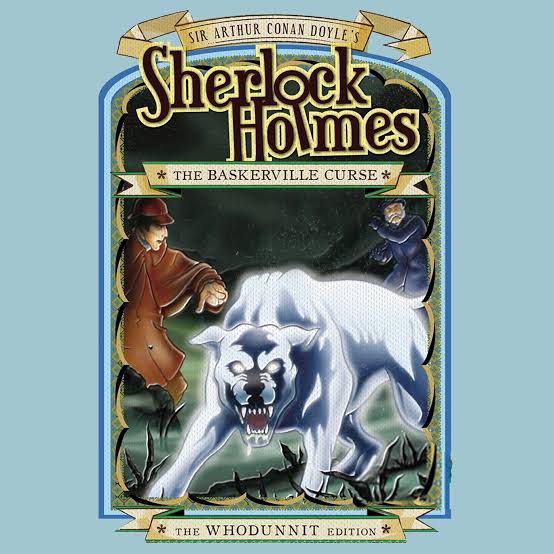
Most of the important plot elements are present, but as in so many of these adaptations there are unnecessary incongruities resulting from not knowing the source material well.
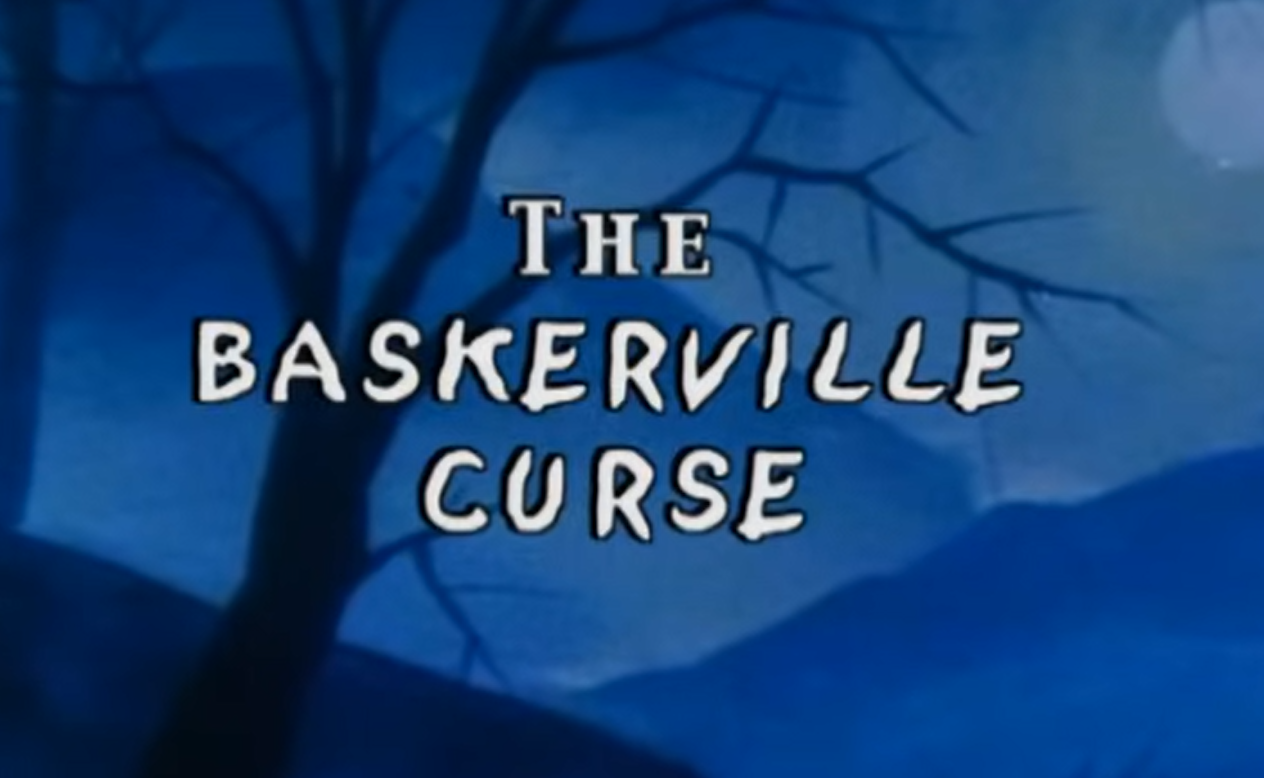

So far so good….

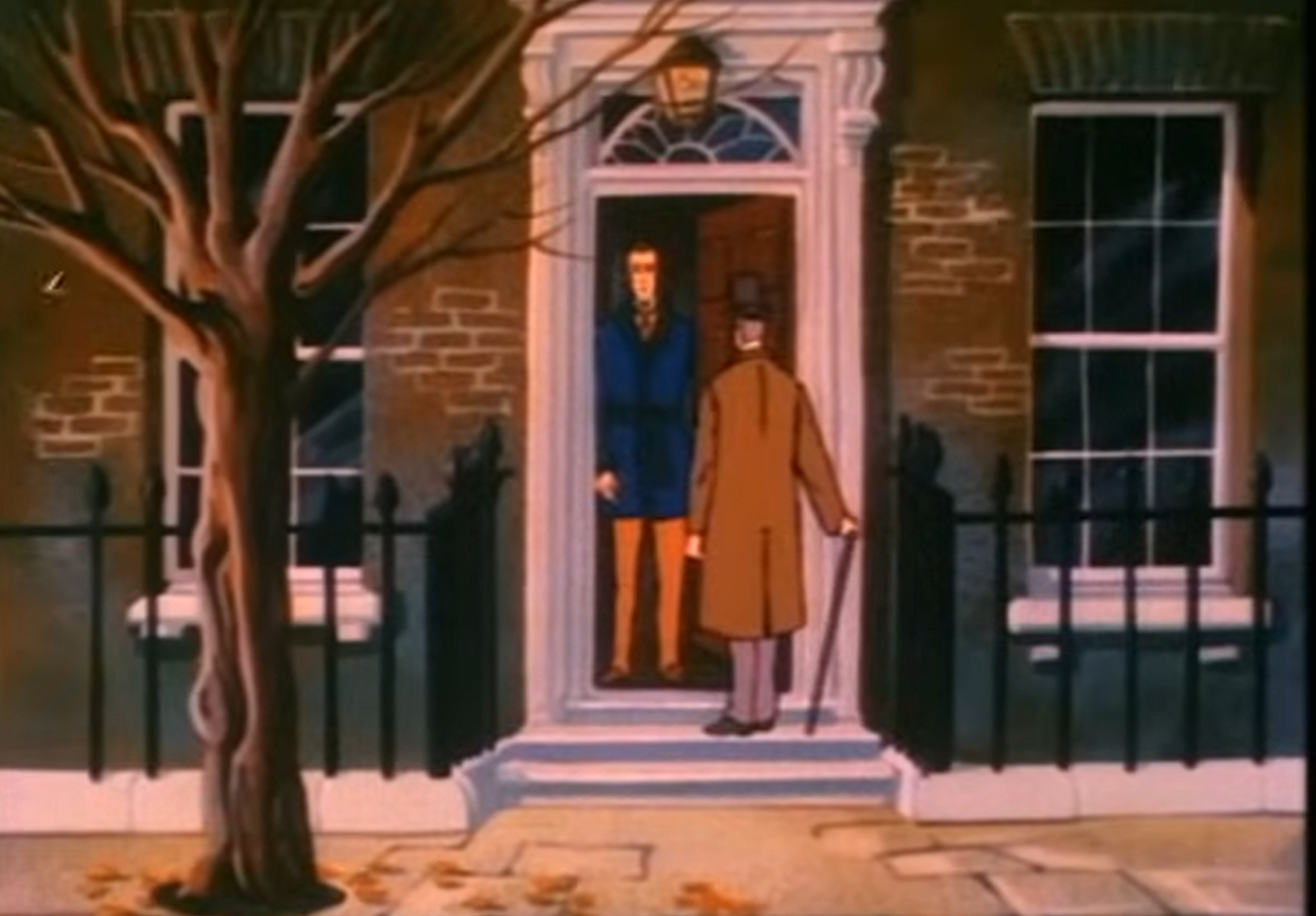
The running length is only 67 minutes, and quite a lot of shortcuts have to be taken with the plot to squeeze it in. Blink and you’ll miss the denouement, which is rushed for no good reason and not at all satisfying. I’m really not sure why you’d compress the dramatic bits and not cut some less dramatic parts if short on time.

Still at least the (all-too-brief) appearance of the Hound at the end is reasonably impressive. Nothing really makes it stand out overall, however.
1988: The Return of Sherlock Holmes: The Hound of the Baskervilles
My Ratings (8/9/9/9/8/9)
| Availability | 8/10 |
| Technical Quality | 9/10 |
| Plot Accuracy | 9/10 |
| Characters | 9/10 |
| Hound | 8/10 |
| Watchability | 9/10 |
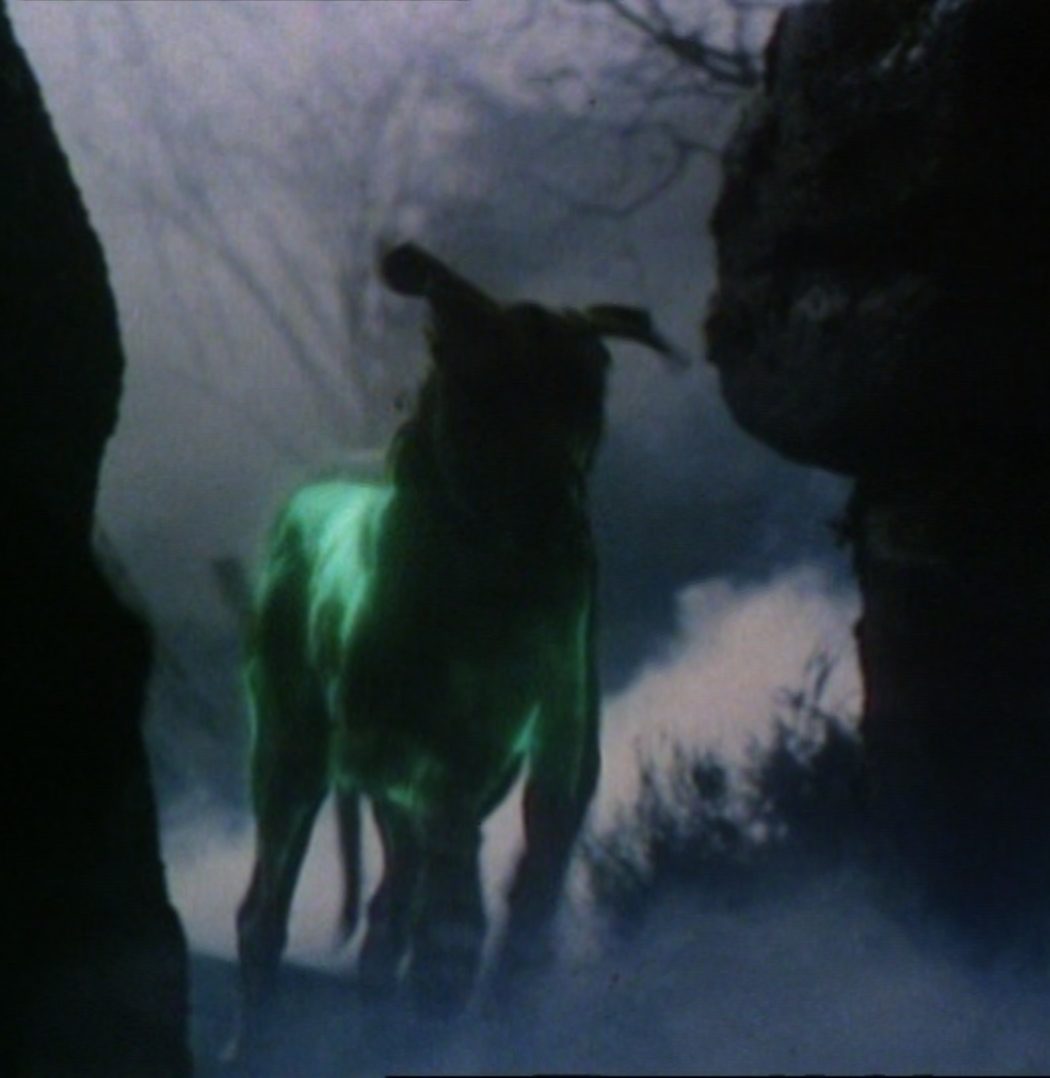
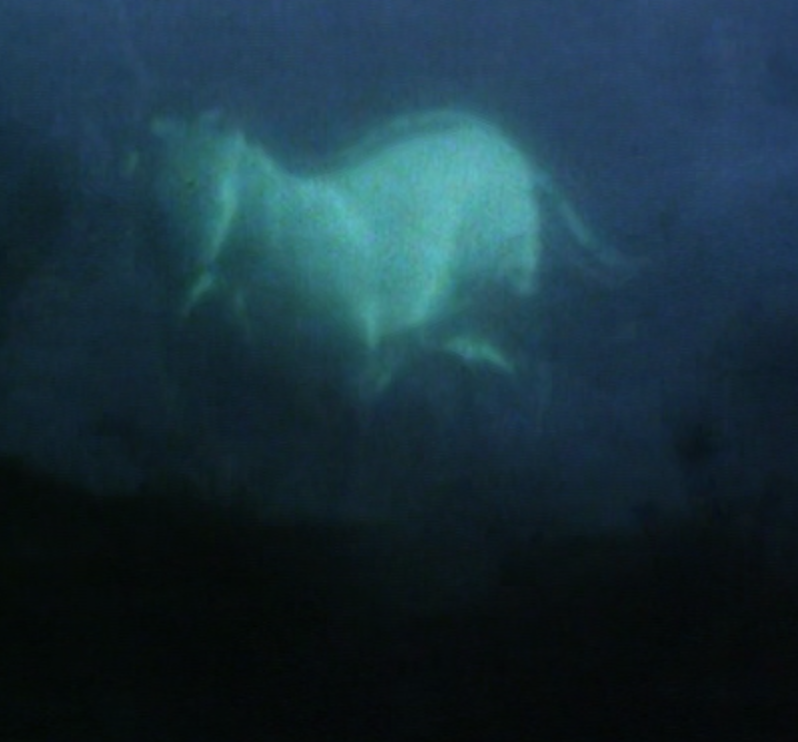
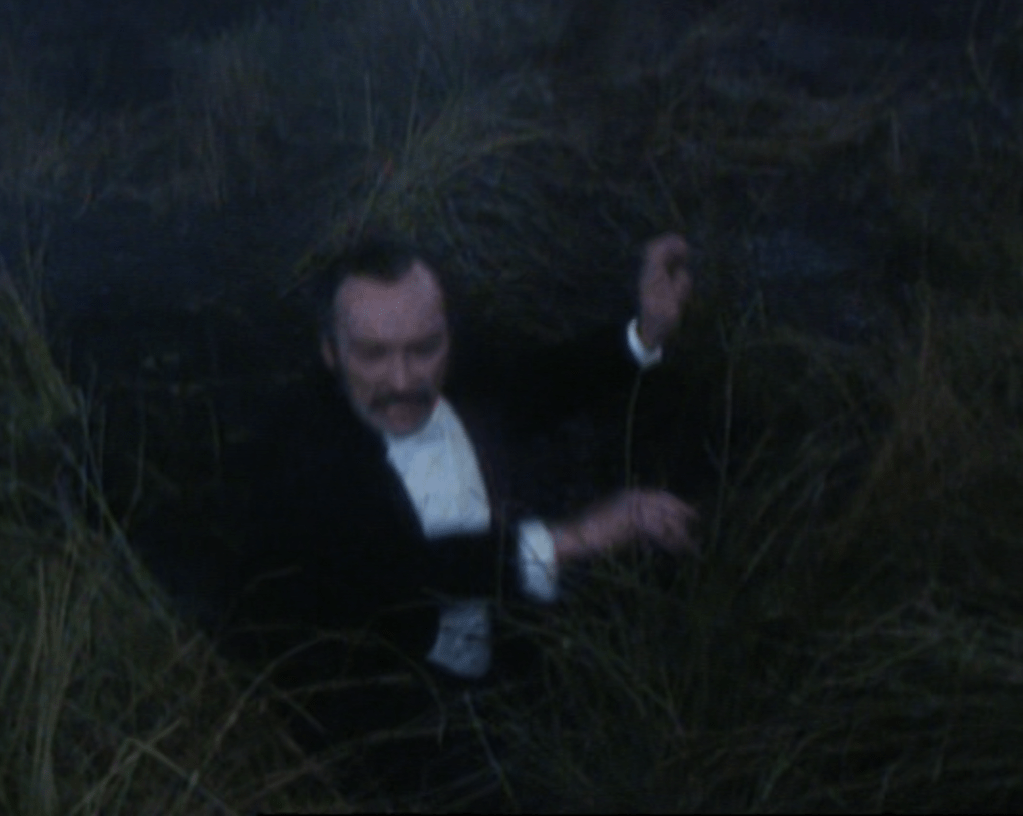
For me, this Granada TV series starting Jeremy Brett as Holmes with David Burke as Watson (one series) and Edward Hardwicke as Watson (the rest) is definitive. Edward Hardwicke played Watson in this, The Hound of the Baskervilles.


Jeremy Brett completed 41 episodes covering 36 of the 60 canonical Holmes stories, a feat which I don’t think has been matched or surpassed. Amongst the 24 canonical stories not covered were The Adventure of the Engineer’s Thumb (a personal favourite) and The Adventure of the Yellow Face. In his later years, Brett’s declining health made it difficult for him to continue in the role, which I believe curtailed progress towards the full canon.


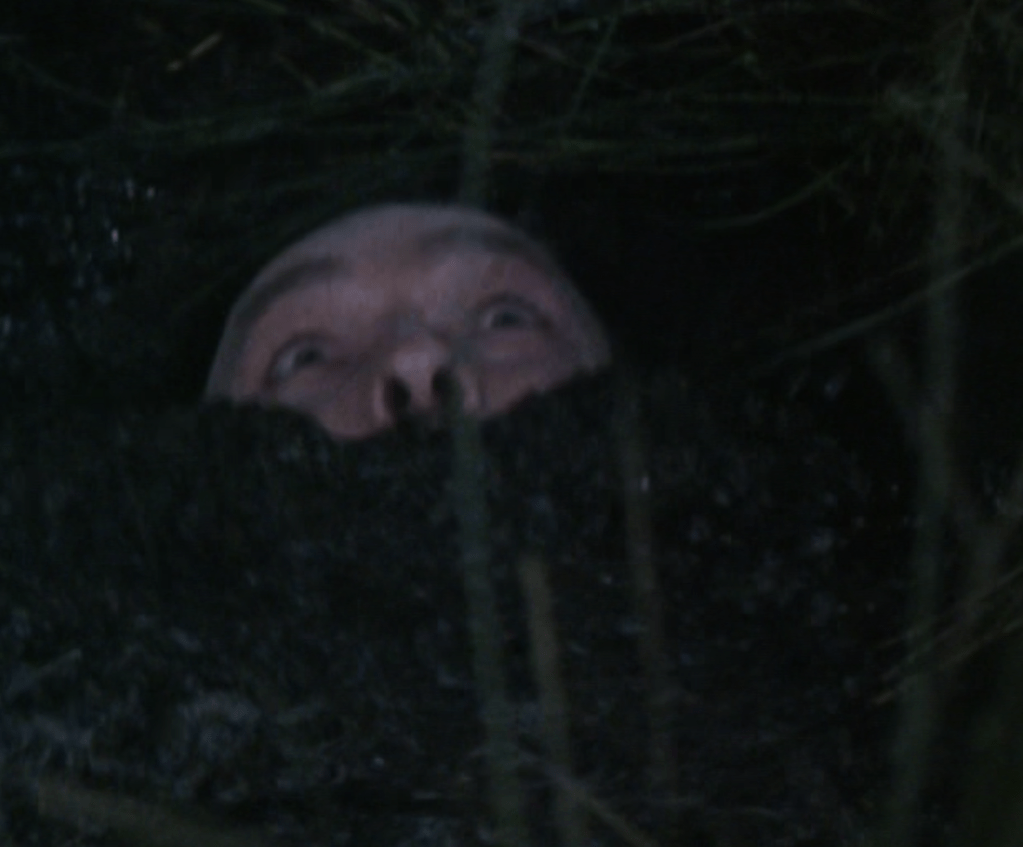
So this, for me, is pretty much the definitive Hound of the Baskervilles adaptation, and I would recommend it above all the others listed here for completeness, accuracy, and respect for the original text. My only criticism arises from the era when it was made which resulted in a 4:3 aspect ratio production, being too early for 16:9 television production, which is a shame. Maybe one day the AI will be good enough to not only upscale the resolution but to widen the view into a 16:9 version; this I would like to see.
1995: Wishbone: The Slobbery Hound
My Ratings (3/2/0/0/1/1)
| Availability | 3/10 |
| Technical Quality | 2/10 |
| Plot Accuracy | 0/10 |
| Characters | 0/10 |
| Hound | 1/10 |
| Watchability | 1/10 |
US Cartoon series episode. Tenuous & tangential at best, included only for completeness. Honestly, the less said about it the better. Let’s move on!
1999: Sherlock Holmes in the 22nd Century: S01E03: The Hounds of the Baskervilles
My Ratings (9/2/2/1/0/1)
| Availability | 9/10 (sadly all too easily available!) |
| Technical Quality | 2/10 |
| Plot Accuracy | 2/10 |
| Characters | 1/10 |
| Hound | 0/10 |
| Watchability | 1/10 |
US Cartoon series episode.

The Hound is on the Moon. Without a spacesuit. Enough already, let’s move on again!
2000: The Hound of the Baskervilles
My Ratings (7/8/7/8/7/8)
| Availability | 7/10 |
| Technical Quality | 8/10 |
| Plot Accuracy | 7/10 |
| Characters | 8/10 |
| Hound | 7/10 |
| Watchability | 8/10 |
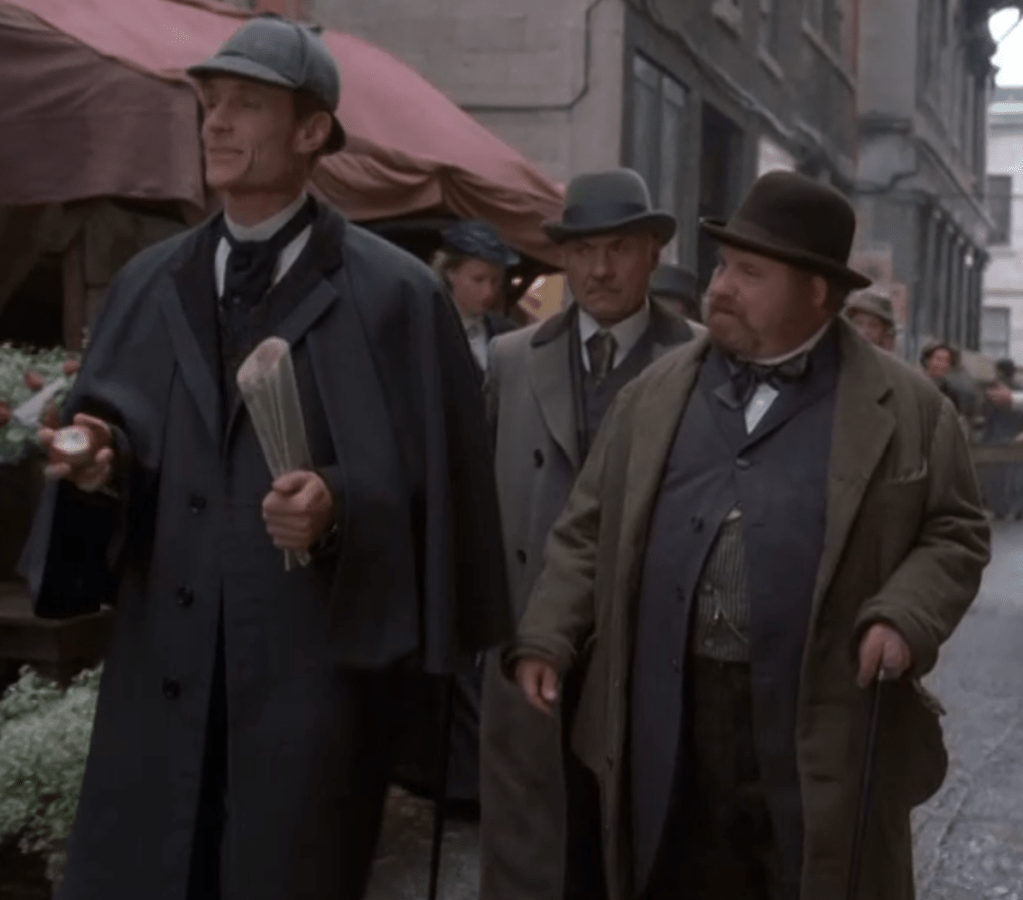

A Canadian production, filmed in Canada. Staring Matt Frewer as Holmes and Kenneth Welsh as Watson. If you were around in the 1980s, you may recognise Matt Frewer as Max Headroom! Unfortunately, this makes it harder for me to take his Holmes character seriously. For all that, this is a solid adaptation. The mannerisms of Frewer as Holmes are deliberate and show his own take on the character – which requires some chutzpah since it is such a well-known character to portray. The biggest surprise, for me, was discovering that it had been filmed in Canada – it comes across as a most English production, free of unexpected accents, landscapes, and so on. A slightly unusual denouement for the genre, but I found it acceptable. Various critics disagree, but I suggest making your own mind up on this one.
2002: The Hound of the Baskervilles
My Ratings (10/9/6/7/7/7)
| Availability | 10/10 (available on BBC DVD) |
| Technical Quality | 9/10 |
| Plot Accuracy | 6/10 |
| Characters | 7/10 |
| Hound | 7/10 |
| Watchability | 7/10 |
Richard E Grant stars as Stapleton, with Richard Roxburgh as Holmes and Ian Hart as Watson. Not a particularly well-known adaptation this one, and perhaps undeservedly so. It diverges from the original plot in a few ways – Frankland and Laura Lyons are completely omitted, and a séance performed by Dr. Mortimer’s wife is reminiscent of the 1939 Rathbone version. It was described by some as compelling, if somewhat infuriating, to watch. I’ll go along with that. Whilst not the best adaptation by far, it is worth viewing, and a fairly solid production.
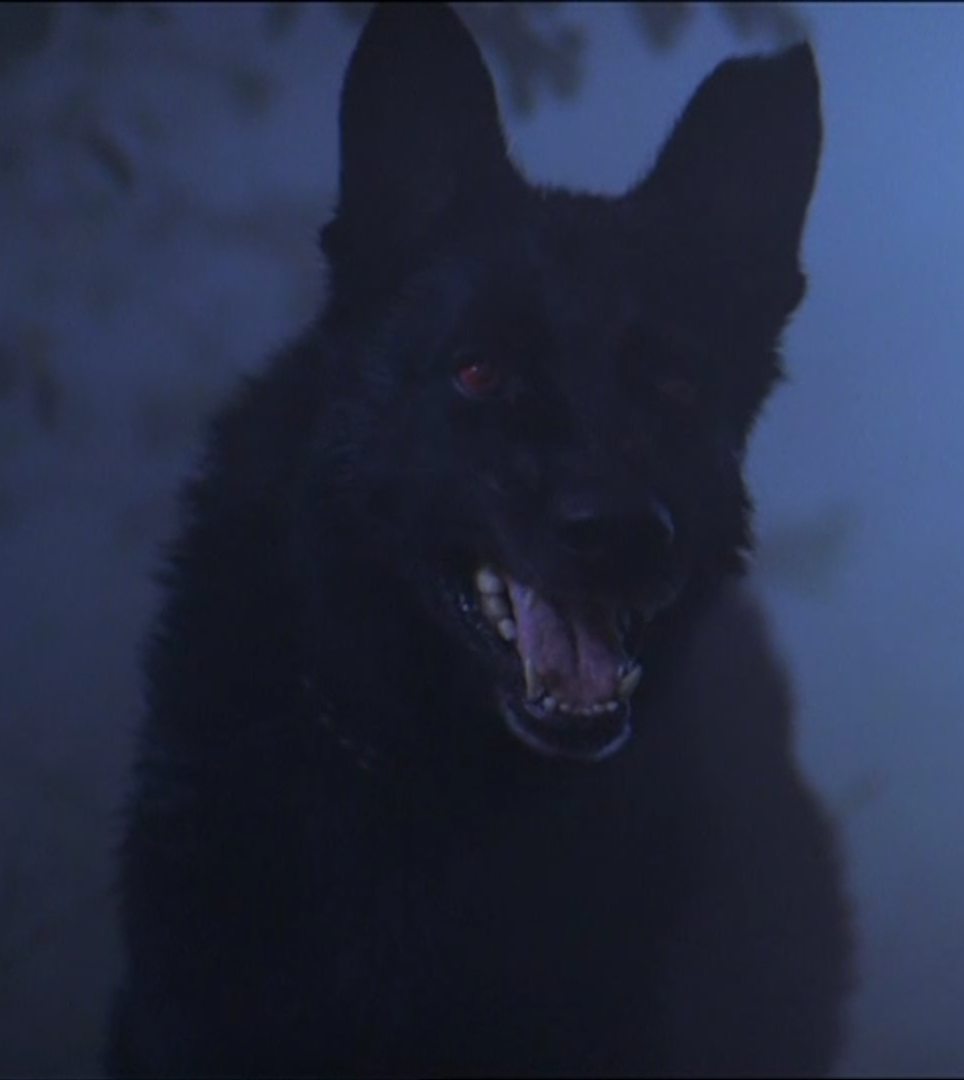
And at least the Hound looks scary when we (briefly) glimpse it! And, of course, this adaptation was released in the hundredth year after the publication of the original text.
Whilst the warning letter, again, does not have the handwritten word MOOR, this is explained satisfactorily by all the other words being from headlines in the preceeding day’s Times newspaper, but the word MOOR having to be cut out in two pieces from the headline word TOMORROW in three pieces.

It is simple details like these that differentiate a good adaptation from a mediocre one; there is a slight deviation from the original, but the original logic still applies.
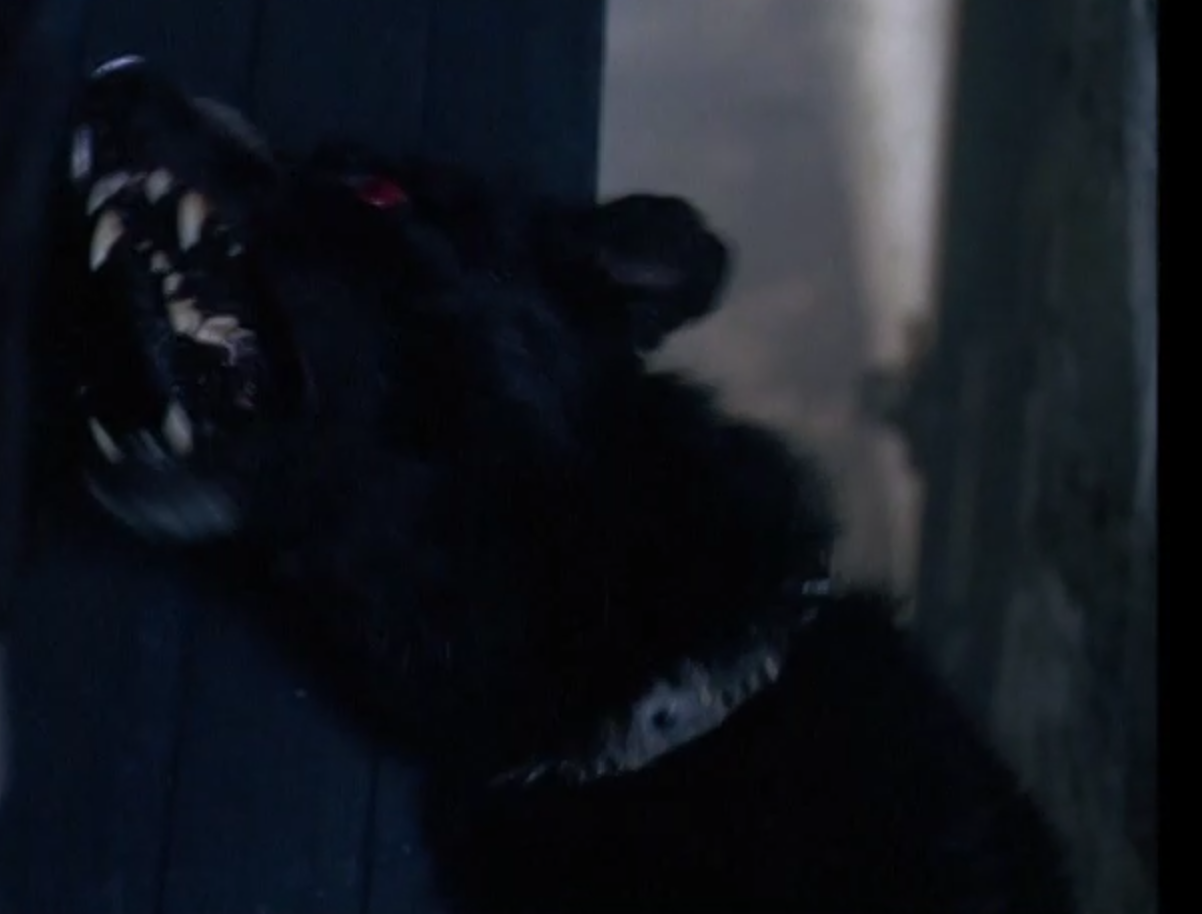
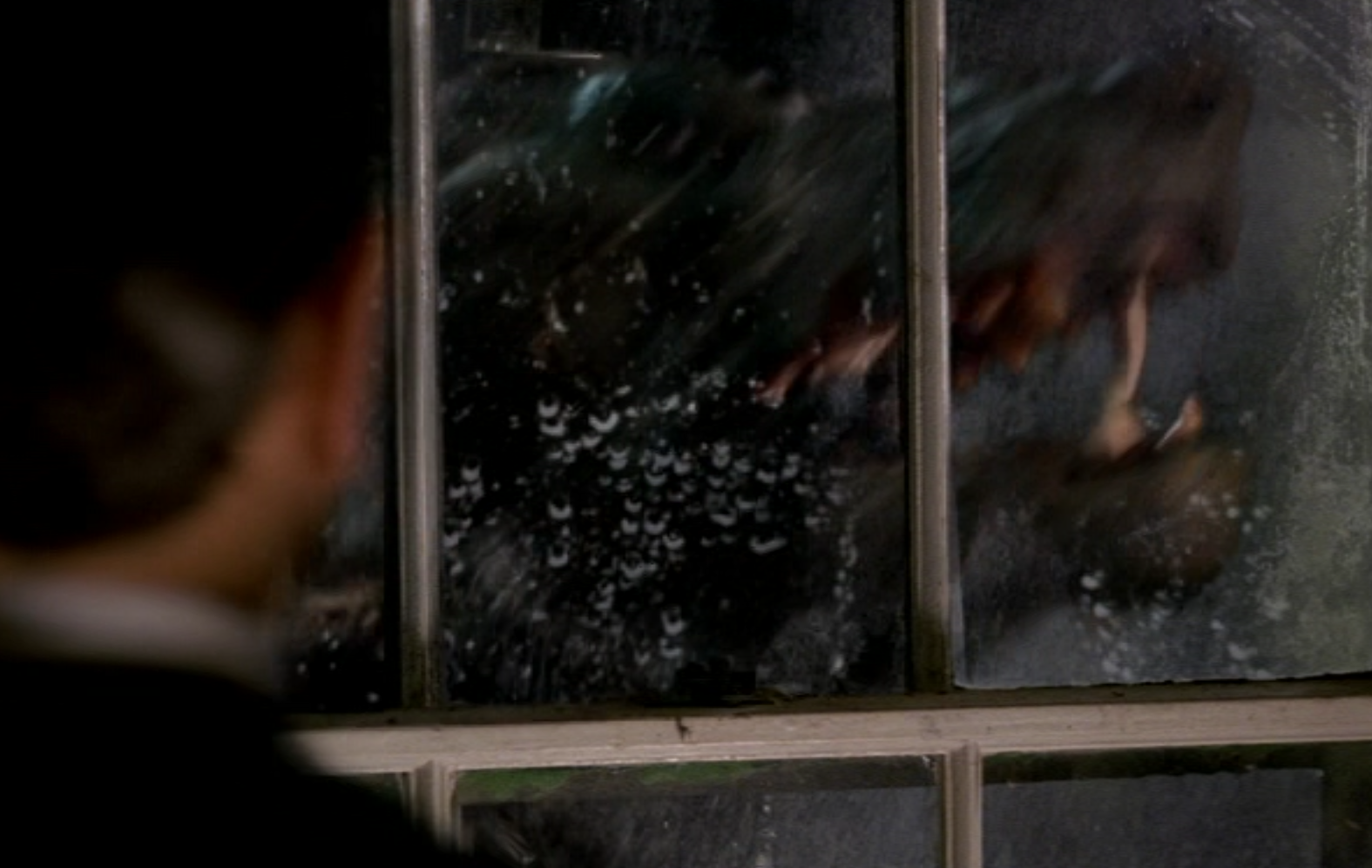
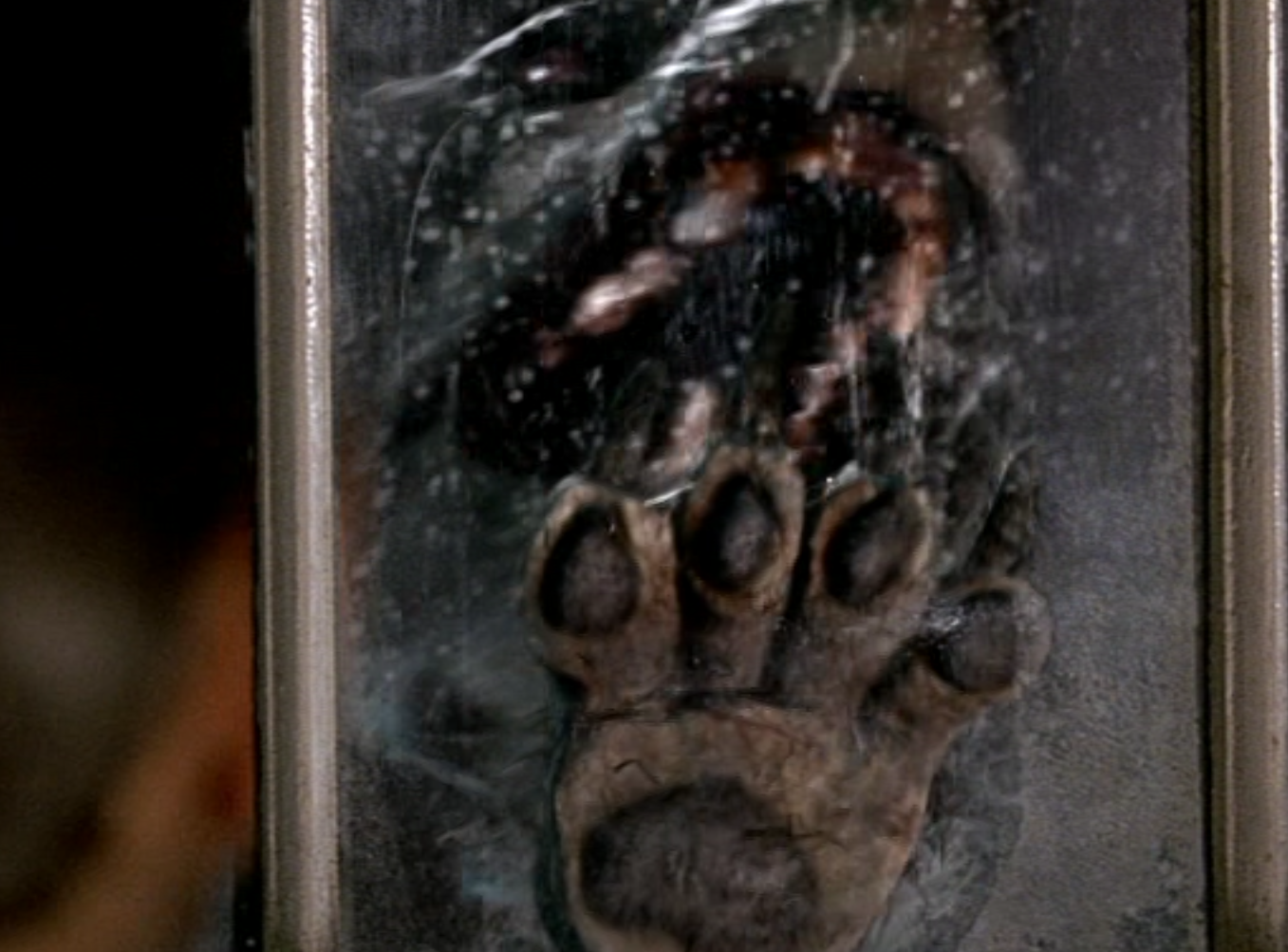
It’s not all good, however, and that differentiates it from a great adaptation, which it is not. The entirely unnecessary séance appears once more, giving rise to the risible sight of the Hound outside the window which leaves no marks on the wet soil yet manages to put a paw (which looks like an amateur taxidermist’s worst failure) against the window.

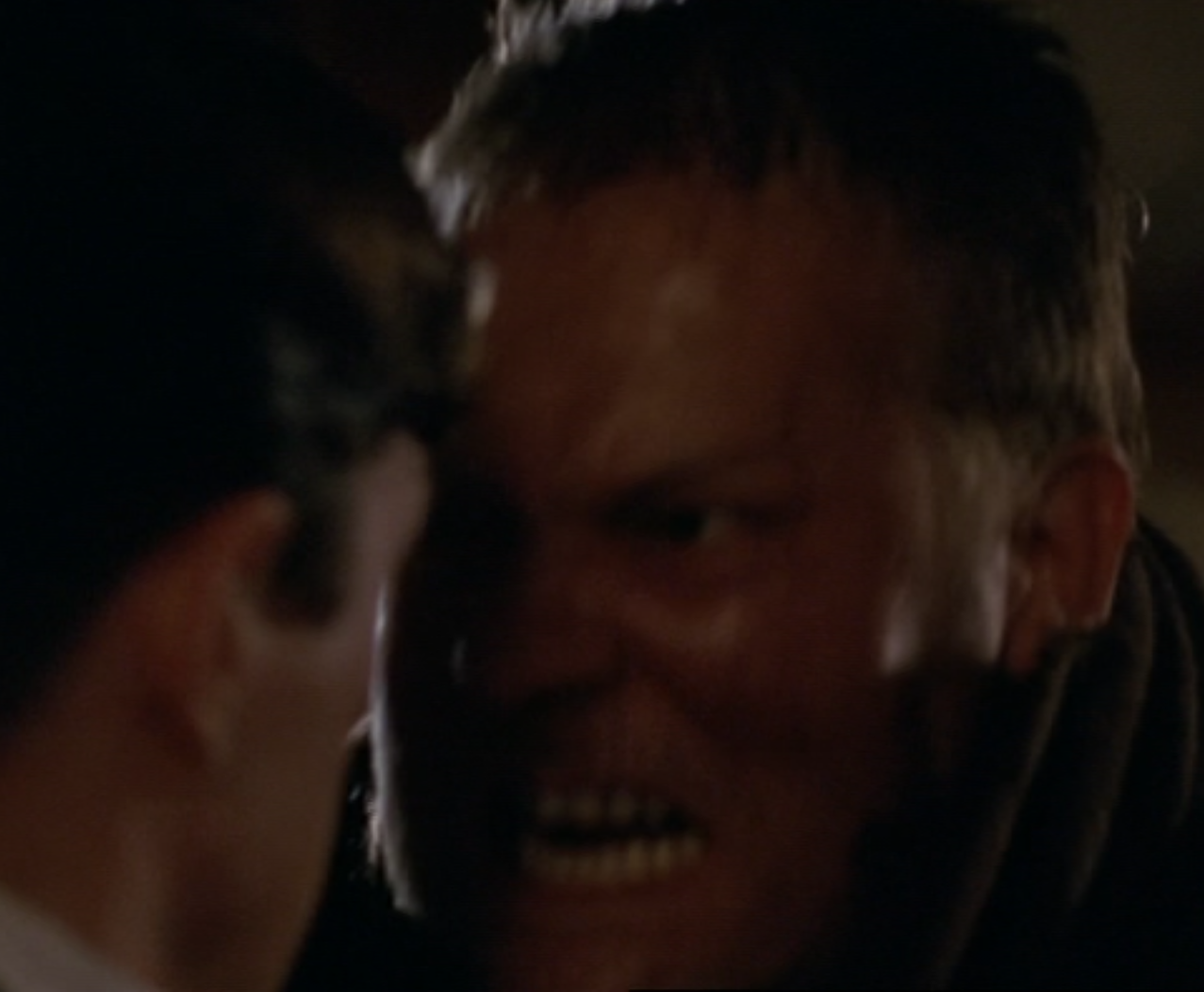
There is a scene where Seldon attacks Sir Henry, which never happened in the original story, but which does include some facial expressions so good that I can almost forgive this slapdashery.

And then the scene of Holmes silhouetted against the sky atop a tor is absolutely beautifully shot.
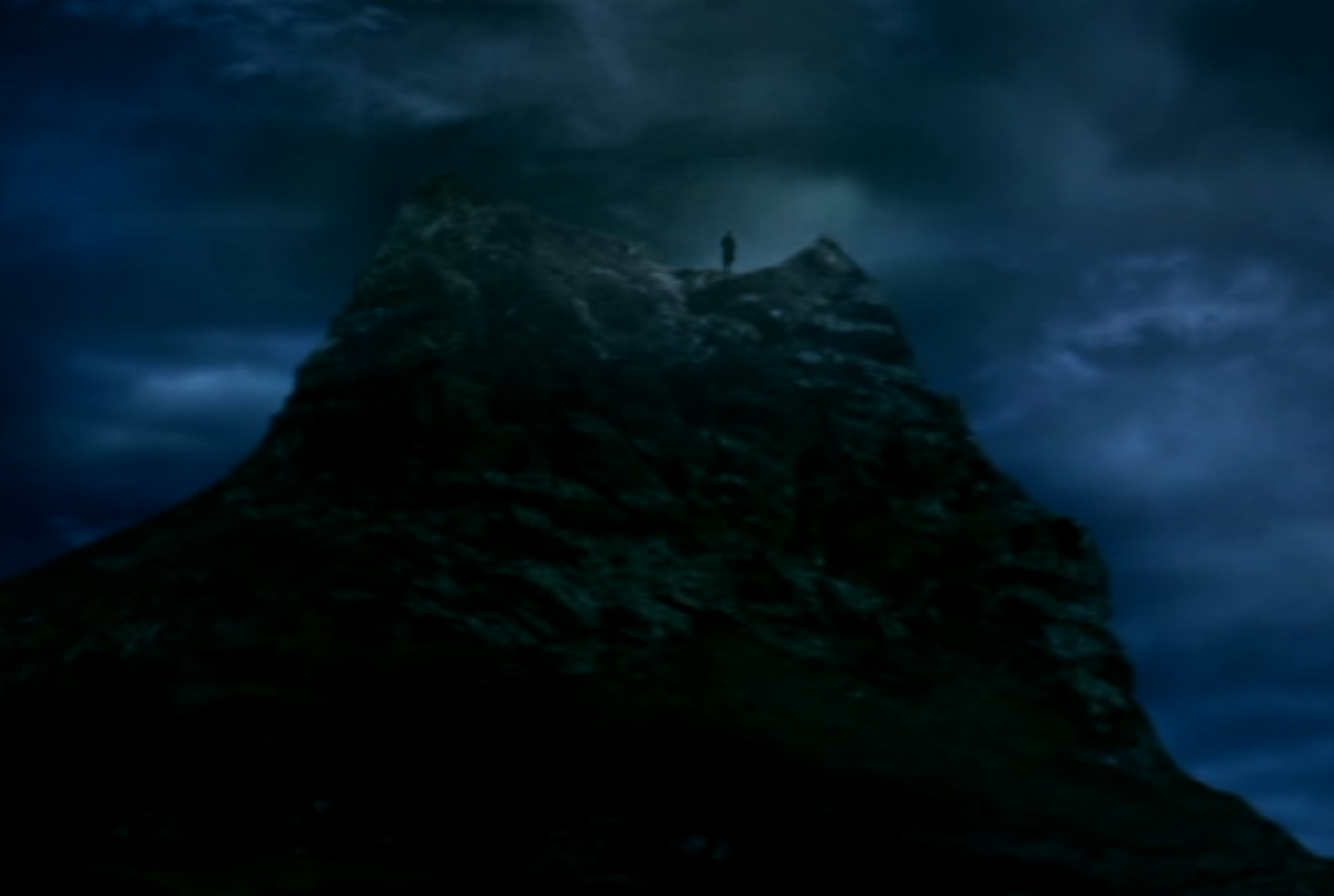
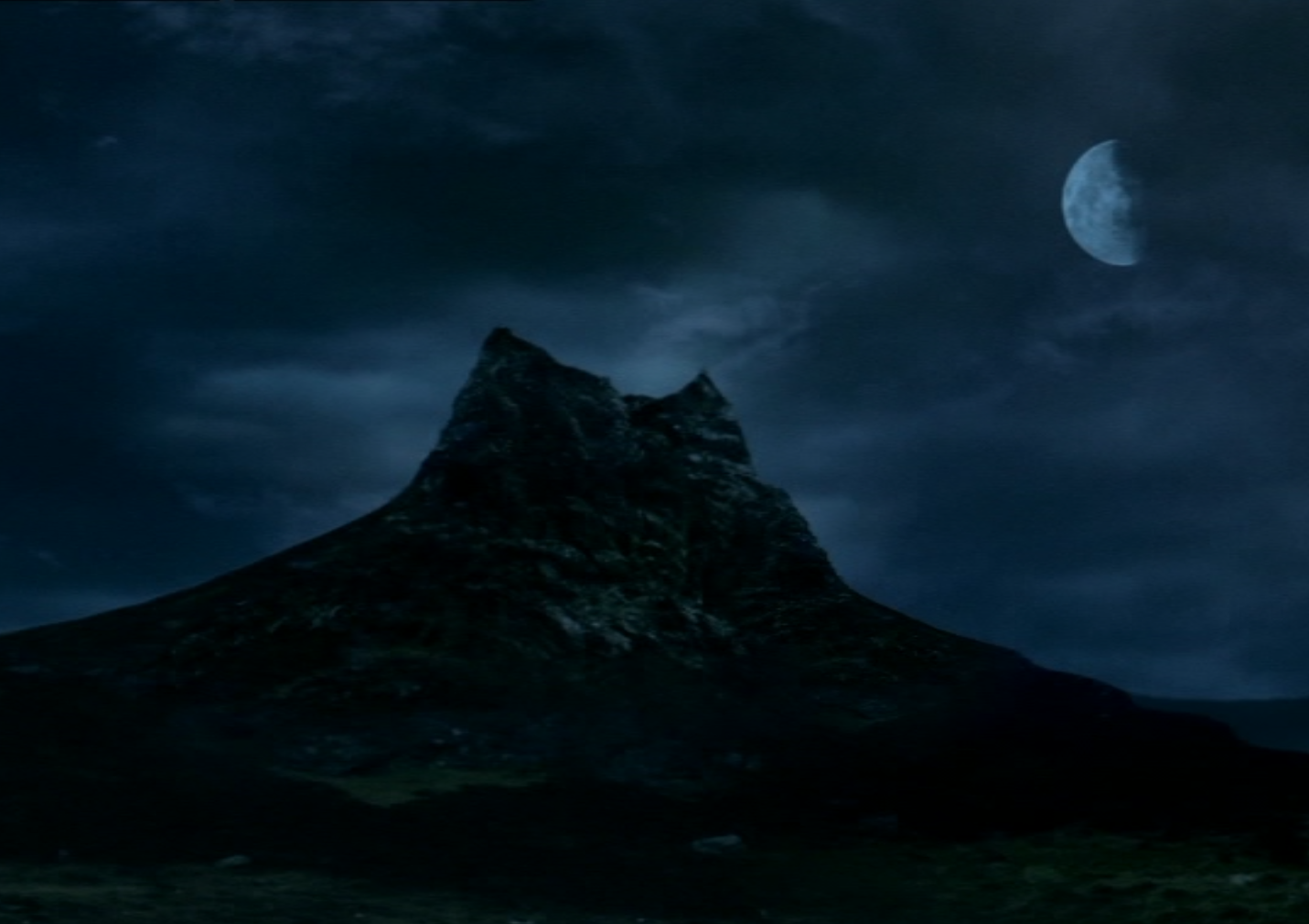
The inconsistency is frustrating; some scenes are brilliant, some poor, and some absolutely terrible. It giveth with one hand, and taketh with the other. The critical scene of Frankland of Lafter Hall showing Watson the boy delivering food to Holmes’ hillside hideout is absent; Watson climbs to the top of the tor he saw someone silhouetted upon above, and finds Holmes’ hideout that way instead. A pointless plot change.
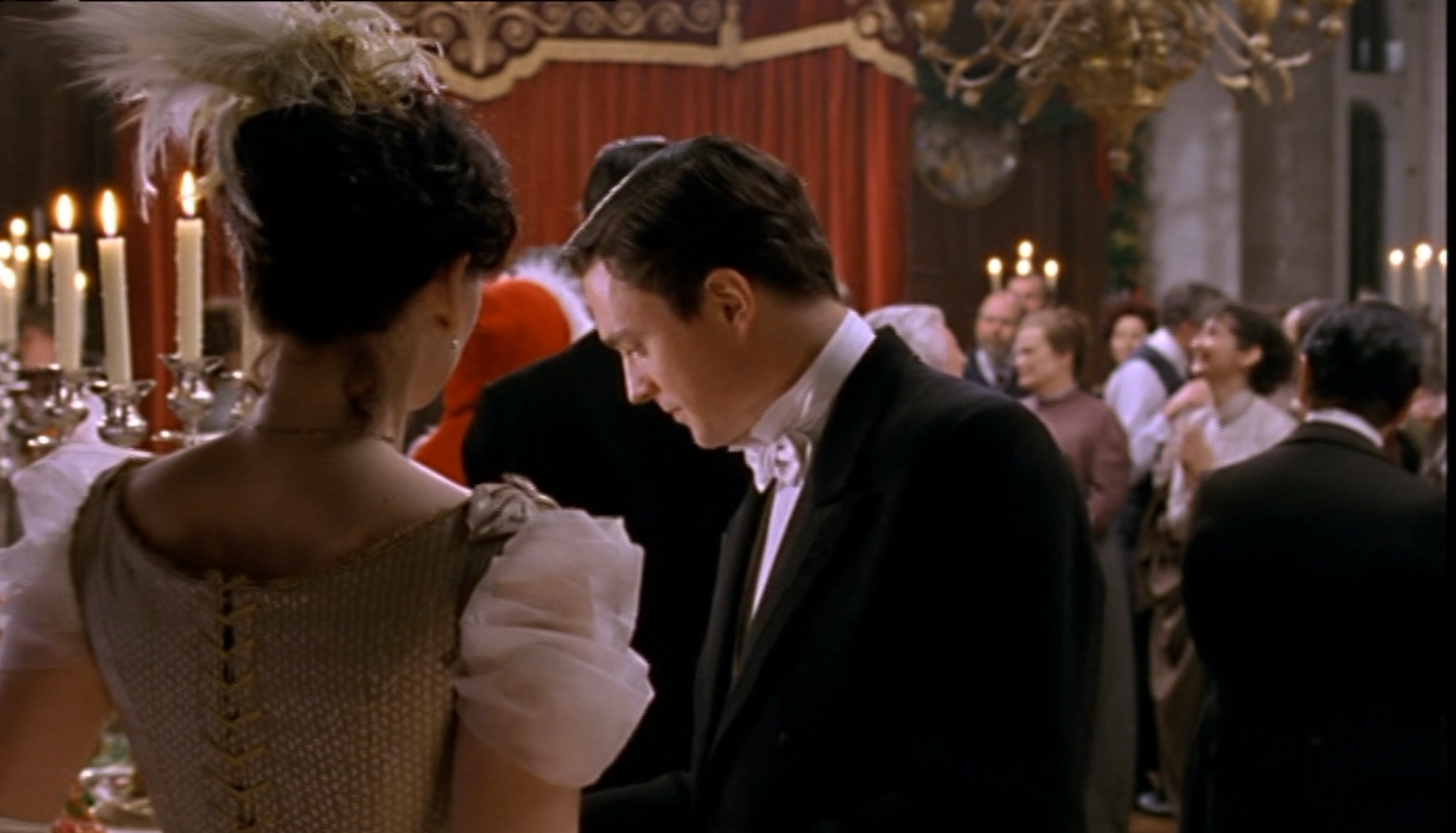
In the original text, Sir Henry voluntarily donates some of his clothes to Seldon via Barrymore. Here, Sir Henry’s discarded clothes are given to Seldon without his knowledge. Again, the plot change serves no useful purpose. At first, I thought that these changes might be an attempt to cut the budget by using fewer actors & extras. But then there is another entirely unnecessary scene – this of a massive social event, with all the extras you can imagine, and more.

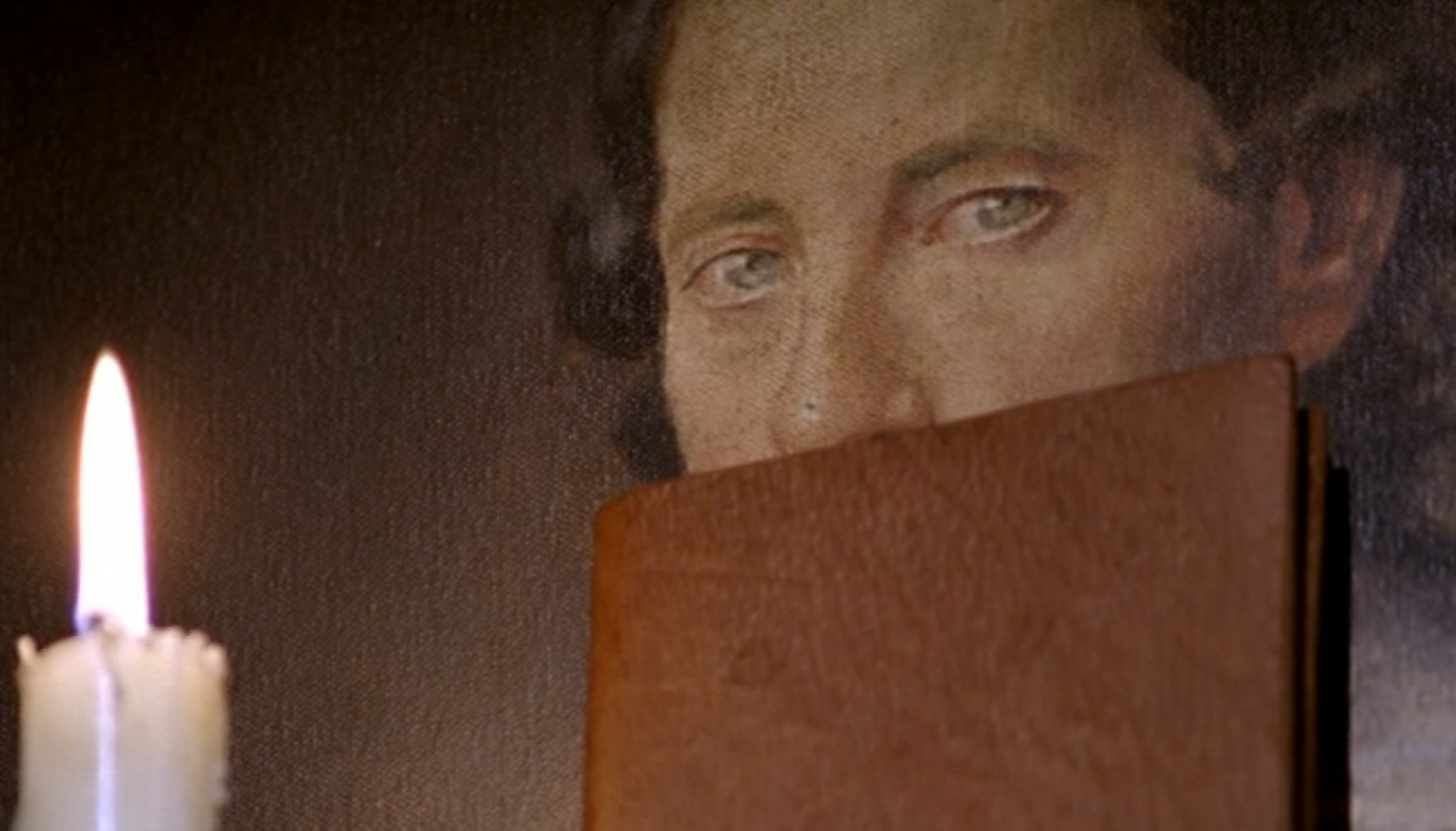
Next minute, we’re faithfully following the original plot again; Holmes uses one of the old Baskerville Family portraits to reveal that Stapleton is a Baskerville.
Then the revelation that this adaptation is, again without rhyme nor reason, set at Christmas becomes apparent and one is left asking…. WHY?
As with the original Alien film, it is scarier if we don’t see the Hound properly until the very end, which is why the séance scene in this adaptation is so disappointing – it is much more frightening if we didn’t see the Hound. Right at the end, the Hound appears, a vague figure at first, but really quite menacing and scary when we see it in close-up.
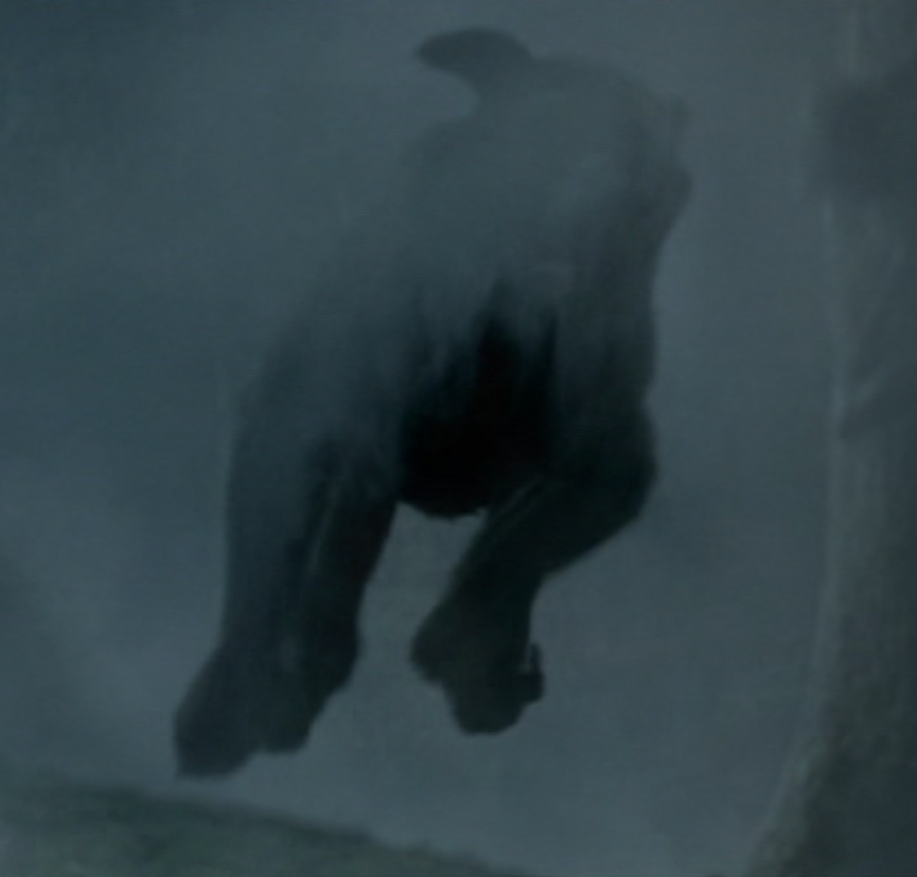


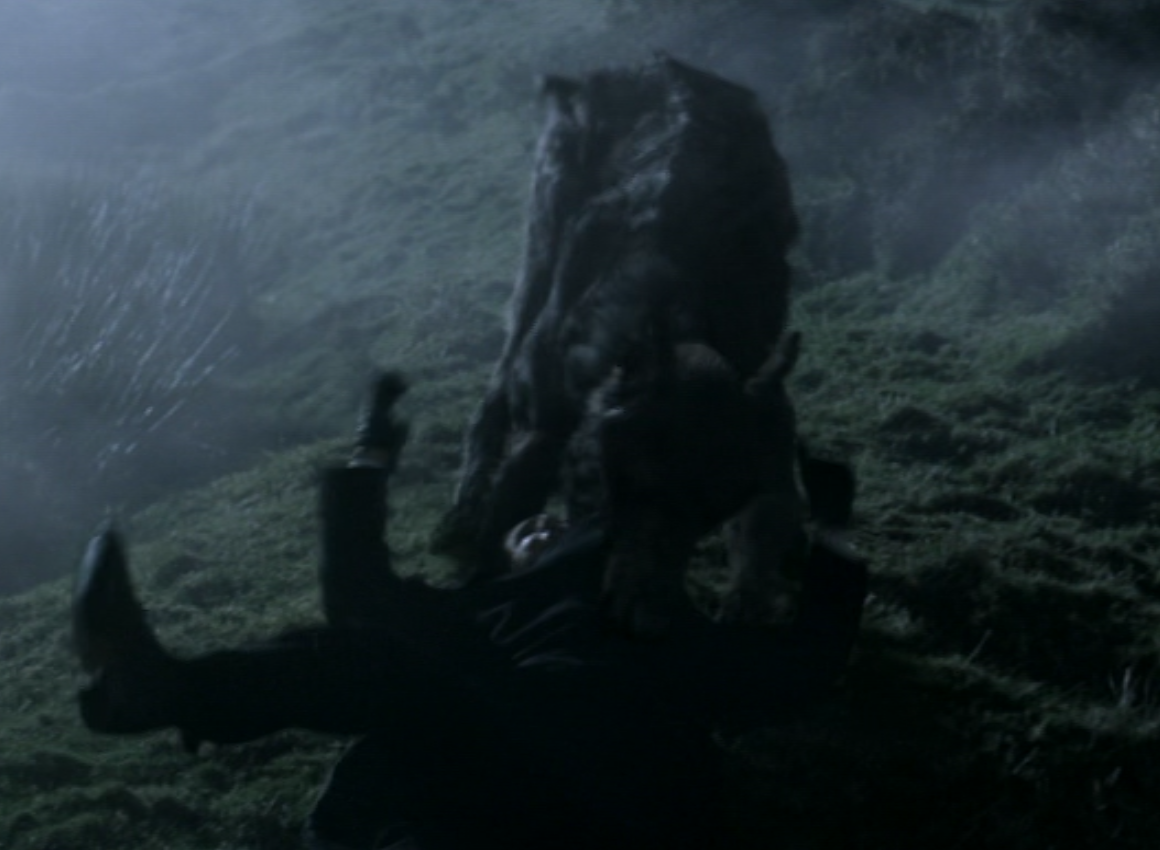

The, just as we have enjoyed a well-filmed climax to the adaptation, it’s ruined by a gun battle, and in an extra scene I’ve never witnessed before in any adaptation; an out-of-characer and rather ghoulish posing-for-a-photo-with-the-dead-hound travesty. Ugh.

In summary: high points are great, low points are dreadful. Could have been a truly great adaptation, but alas overall is merely a good adaptation.


2012: Sherlock: The Hounds of Baskerville
My Ratings (10/9/8/9/9/9)
| Availability | 10/10 |
| Technical Quality | 9/10 |
| Plot Accuracy | 8/10 |
| Characters | 9/10 |
| Hound | 9/10 |
| Watchability | 9/10 |


BBC TV adaptation as part of their impressive Sherlock series, but a full 90-minute length feature film style. Starring Benedict Cumberbatch & Martin Freeman, the Sherlock series was an impressive modern re-imagining of the Holmes stories. Whilst they differ significantly from the original stories, the key difference here was that the writers clearly knew all of the source materials well, and re-imagined the tales with great imagination whilst staying true to the original inventiveness and style. A very different plot, incorporating elements from other stories too, woven together into a compelling production. A great modern version, I highly recommended it.
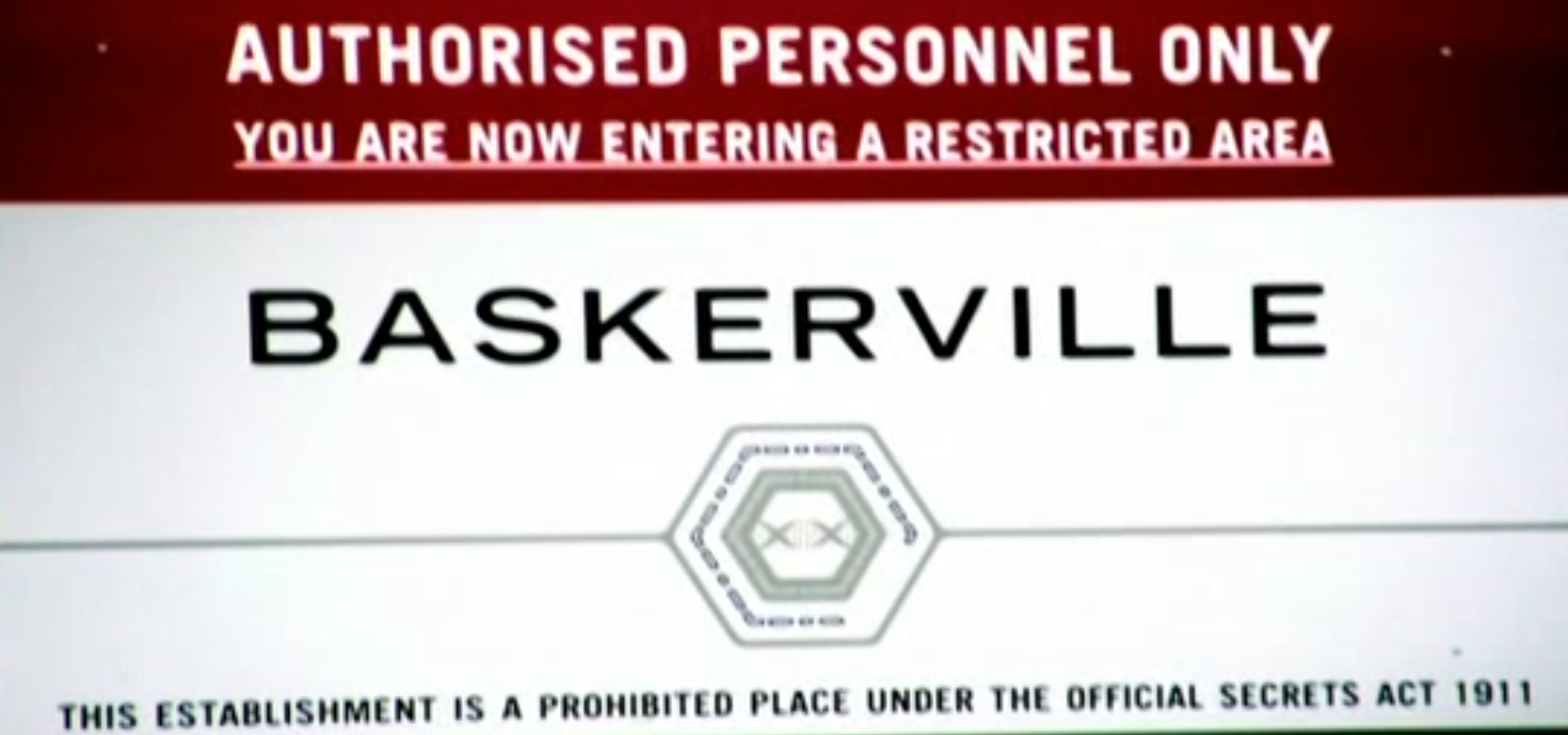
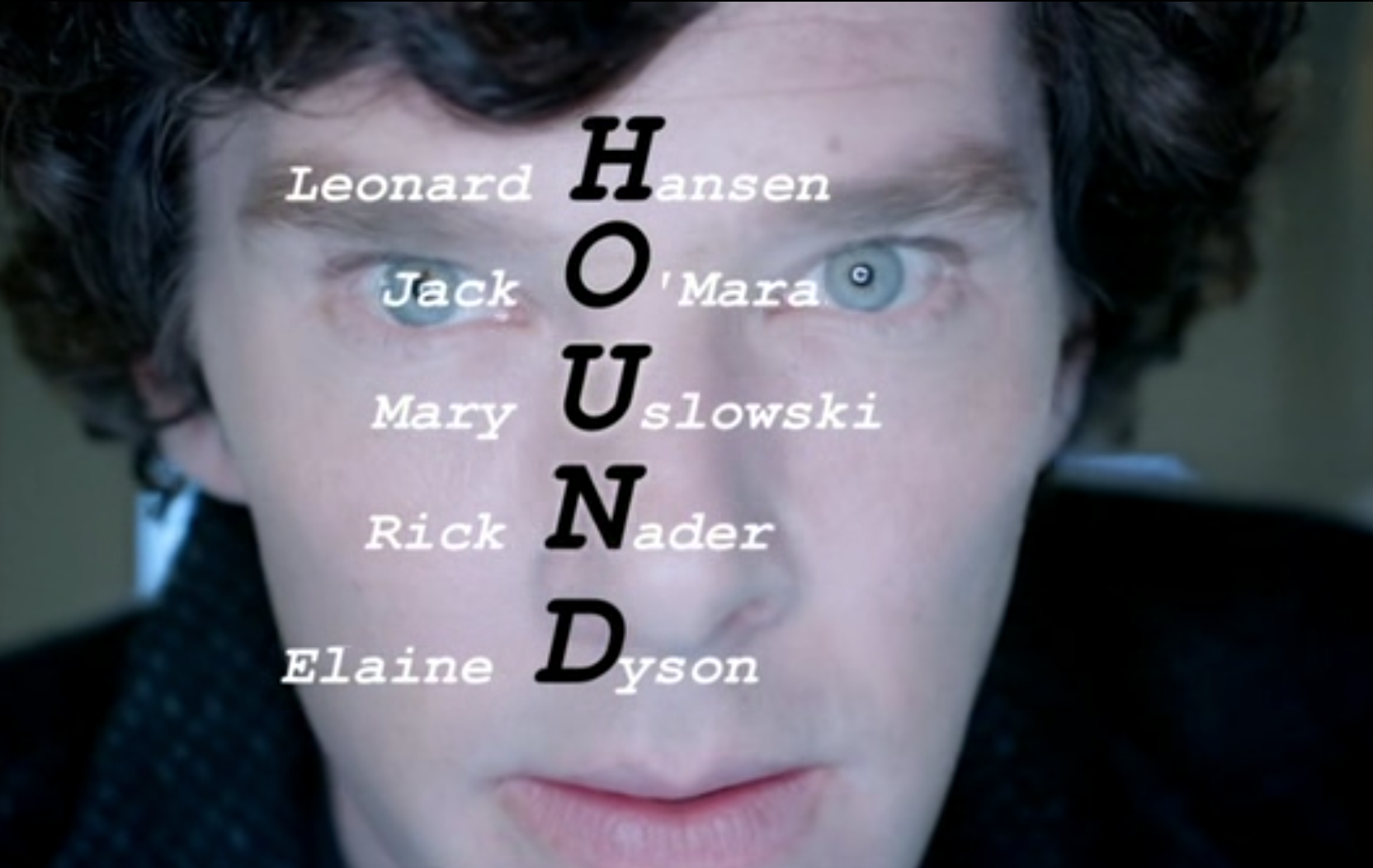
For anyone who knows the entire canon well and is nervous about radically different versions I’d say give the BBC Sherlock series a try. You may find it rather good.
2014: Elementary: S02E18 The Hound of the Cancer Cells
My Ratings (4/5/0/0/0/3)
| Availability | 4/10 |
| Technical Quality | 5/10 |
| Plot Accuracy | 0/10 |
| Characters | 0/10 |
| Hound | 0/10 (there is no hound) |
| Watchability | 3/10 |
It’s not really an adaptation. It is rather tangential.
Uniquely, amongst this collection, it incorporates Mossad into the story. That’s quite a flex.
2015: Шерлох: “Кішка Баскервілів” – Sherlokh: “Kishka Baskerviliv” – Sherlock – “The Cat of the Baskervilles”
My Ratings (1/-/-/-/-/-)
| Availability | 1/10 (unavailable?) |
| Technical Quality | ?/10 |
| Plot Accuracy | ?/10 |
| Characters | ?/10 |
| Hound | ?/10 |
| Watchability | ?/10 |
Ukrainian. I have not yet acquired this film.
2015: バスカーヴィル君と犬の冒険 – Basukā vu~iru-kun to inu no bōken – The Adventures of Mr Baskerville and the Dog
My Ratings (1/-/-/-/-/-)
| Availability | 1/10 |
| Technical Quality | ?/10 |
| Plot Accuracy | ?/10 |
| Characters | ?/10 |
| Hound | ?/10 |
| Watchability | ?/10 |
Japanese. I have not yet acquired this film.
2016: Elementary: S04E16 Hounded
My Ratings (6/5/2/3/2/3)
| Availability | 6/10 |
| Technical Quality | 5/10 |
| Plot Accuracy | 2/10 |
| Characters | 3/10 |
| Hound | 2/10 |
| Watchability | 3/10 |
Well, at least it has some actual story elements in common with the original. Some of it would be innovative… if it hadn’t appeared previously. Like the inclusion of jellyfish DNS into a chimeric organism to make it glow (2012 Sherlock, BBC). But it has its own innovative elements too – a robotic hound, for example.
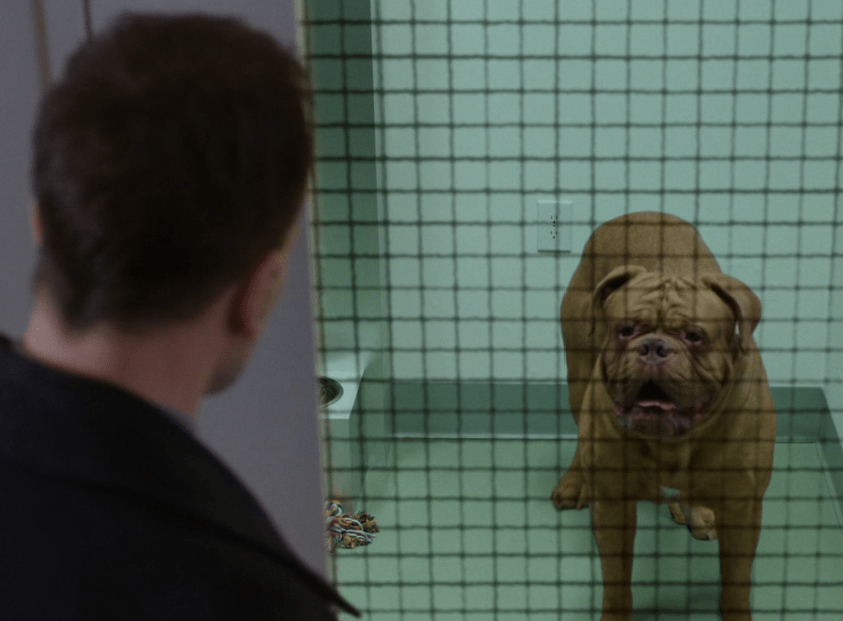

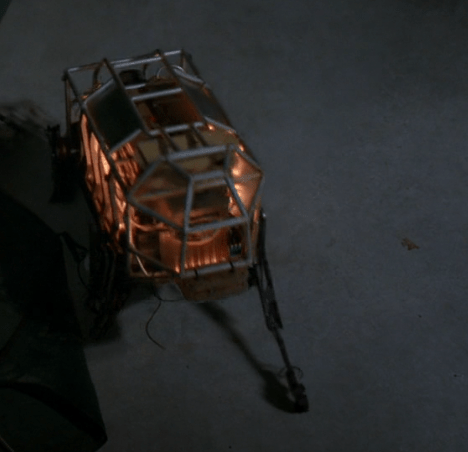

Of course, cramming the entire story into 40 minutes (aka 1 hour of US TV time) is challenging.

And hey, let’s make the only interesting female character the murderer for a change, eh?
Summary: Poor effort, does not stand with the better ones.
Conclusions
Well that was a LOT of Hounds and a LOT of Baskervilles!
Each of the adaptations has their bad points. Some of them even have merit.
For me, the Brett/Hardwicke version is as close to definitive as anyone has ever got, and it would be a significant challenge indeed to attempt to surpass this adaptation.

Errata & Updates
| Date of Correction/Change | Change |
|---|---|
| 2025-11-11 | 1983: Sherlock Holmes and the Baskerville Curse (cartoon) reviewed |
| 2025-11-11 | 1968: The Hound of the Baskervilles reviewed |
 Sophie Baskerville